


Lo Fi Music article
Essential Lo Fi Music Albums Explained
Not a list of playlist thumbnails. Here are the essential lo-fi albums that actually explain the sound, and why each one still matters.
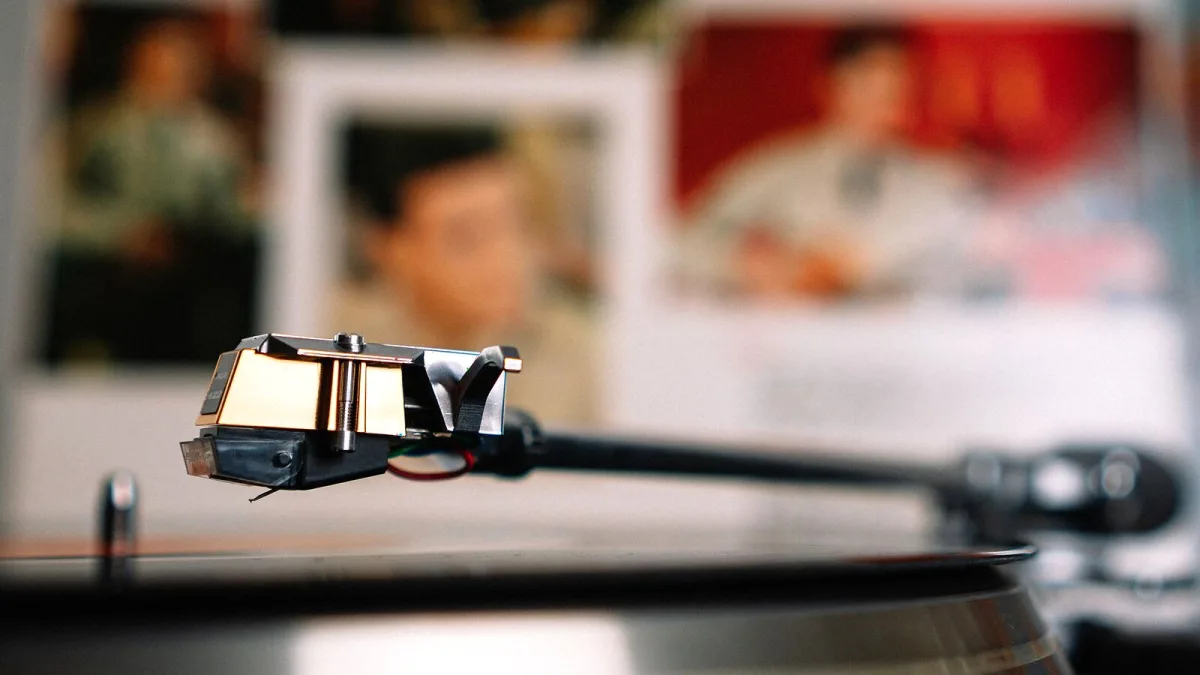
I have got a lot of time for music that was made properly, on its own terms, rather than chasing a chart position. Lo-fi has that spirit running right through it, whether it is a cassette-recorded rock record or a jazz-sampling beat tape. Here are the essential lo-fi albums that actually explain the sound, not just a list of what turns up on a playlist thumbnail.
I have kept this list short on purpose. Every record below either set a template other producers spent years working from, or explains the aesthetic underneath the whole genre in a way a single track never quite manages.
The Records That Set the Template
| Album | Artist | Year | Why it matters |
|---|---|---|---|
| Donuts | J Dilla | 2006 | Chopped samples and deliberately loose timing that reshaped how a generation of producers thought about rhythm |
| Metaphorical Music | Nujabes | 2003 | Jazz-inflected instrumental hip-hop that connected the sound to a far wider audience |
| Modal Soul | Nujabes | 2005 | Deepened the same jazz-hip-hop fusion with richer, more melodic arrangements |
Play these three back to back and you can hear almost the entire modern lo-fi hip-hop vocabulary already in place, years before "lo-fi" became a genre label anyone used on purpose.
Where the Aesthetic Comes From
Not every essential record is instrumental hip-hop. Smiley Smile (1967) by the Beach Boys is often cited as an early example of intimate, unconventional major-label production — strange, hushed and technically rough by the standards of its day. It has nothing to do with lo-fi hip-hop directly, but hearing it makes the underlying aesthetic argument clearly: imperfection, used on purpose, can carry real emotional weight rather than just signalling a low budget.
The Modern Reference Point
For a sense of where the sound sits today, Harbor (2015) by Tomppabeats is frequently cited as an introductory touchstone for the current online lo-fi beat scene — more polished than the DIY cassette tradition, built for looping comfortably, and clearly indebted to the hip-hop lineage above without simply copying it.
How to Actually Listen to These
Resist the urge to have these lo-fi albums on as pure background noise, at least the first time through. Donuts in particular rewards close attention: individual tracks are short, sometimes under a minute, and the way ideas recur and mutate across the record only really lands if you are paying attention to the sequencing rather than just the vibe. Once you have heard these properly once, they work brilliantly as background listening too — you will just be hearing a lot more inside them.
It is worth saying plainly: none of these records were built with a study playlist in mind. They came from cassette culture, sample-digging and jazz-inflected hip-hop production, years before "lo-fi" became shorthand for background focus music. Hearing them in their own right, rather than as the ancestors of a mood, changes how you hear everything that came after.
One More Worth Knowing
Producers such as Madlib sit just outside this core list but shaped the same territory from a different angle, favouring dusty, collage-like sample work over cleaner jazz-hip-hop fusion. There is no single official canon here, and that is rather the point — the moment someone declares a definitive top five, they have usually left out someone genuinely important.
Keep Digging
For the people behind these records, our guide to the genre's key artists goes deeper on each name here. Curious how it all developed? Our history of lo-fi music lines up the cassette and hip-hop lineages properly, and our pick of defining individual tracks is a quicker way in if a whole album feels like a big first step.




Comments