


Lo Fi Music article
Lo Fi Music for Newcomers: Where to Start
You don't need a single production term to enjoy this. Here's a calm, practical way into lo-fi music that skips the theory and gets straight to listening.
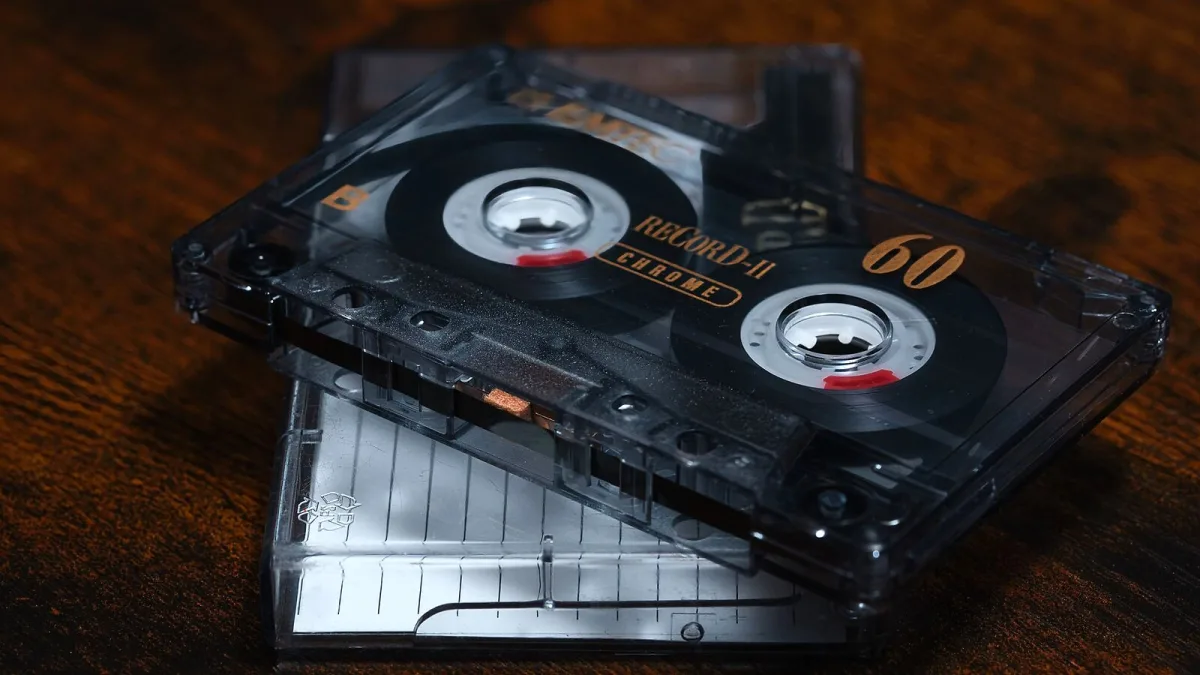
You genuinely do not need to know a single production term to enjoy lo-fi music. If the whole scene feels a bit more technical or history-heavy than you fancy right now, here is a calm, practical way in that skips the theory and gets straight to the listening.
Start With One Stream, Not a Reading List
The single easiest way into this genre is also the most famous: search out one of the long-running "beats to relax or study to" livestreams, popularly known through the Lofi Girl brand, press play, and just let it run in the background for a while. You do not need to know who made any individual track. That is genuinely how most people find this music in the first place, and it is a perfectly good way to start.
Notice What You Actually Respond To
After an hour or two of just having it on, start paying a little more attention. Do you gravitate towards tracks with a jazzier, more melodic chord loop, or ones built around simpler, punchier drums? Do you prefer a track with obvious vinyl crackle and tape hiss, or one that sounds cleaner and more digital? There is no right answer, but noticing your own preference here is a far better guide to what to explore next than any genre chart.
Try a Handful of Named Tracks
Once background listening starts to feel familiar, it is worth hearing a few tracks properly, with actual attention rather than as wallpaper. J Dilla's Donuts (2006) and Nujabes' Modal Soul (2005) are both widely considered foundational, and neither one demands any prior knowledge to enjoy — just a bit more focus than a study stream usually gets.
- Pick one track from each record.
- Listen once through headphones, without doing anything else at the same time.
- Notice the samples, the drum feel, and the small imperfections sitting underneath everything.
Worries Every Newcomer Has, Answered Honestly
- "Everyone else seems to know so much more than me." Most people found this genre exactly the way you probably did: through a stream, not a reading list. Nobody starts already knowing who Nujabes is.
- "What if I only like the background stuff, not the 'proper' albums?" That is a completely fine place to stay. There is no requirement to graduate from streams to full albums if the streams are what you actually enjoy.
- "Do I need production knowledge to appreciate it?" Not remotely. Understanding tape hiss or boom-bap drums can deepen your enjoyment later, but it is context, not a ticket required for entry.
You Do Not Need to Learn the Subgenre Map Yet
Terms like chillhop, jazzhop and DIY lo-fi are useful once you already know roughly what you like, as a way of finding more of it. They are not a prerequisite for enjoying the music in the first place, and plenty of longtime listeners couldn't cleanly define the boundaries between them either. When you are curious, the map is there waiting for you, in plain English, with nothing assumed.
Where to Go Once You're Hooked
When you want more context than "press play and relax", our beginner's guide to lo-fi music explains the aesthetic-versus-genre distinction properly, our guide to key artists gives you real names to follow, and our subgenres explained piece is there for exactly the moment those extra labels start feeling useful rather than confusing.
Take it slowly, and do not let anyone make you feel behind for not already knowing who produced what. Most of this genre was built to be heard without anyone checking the credits.



Comments