


Lo Fi Music article
A Beginner's Guide to Lo Fi Music
Lo-fi music is one of the internet's most-listened-to sounds, and one of the most loosely defined. Here's what the term actually means and where it began.
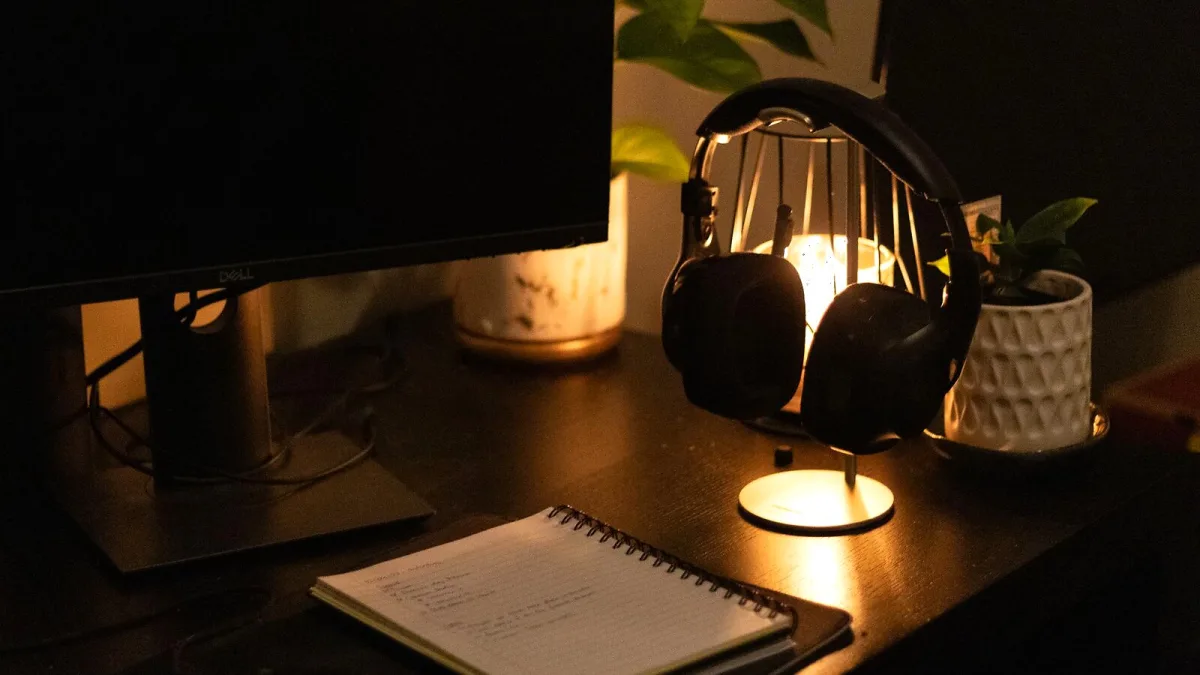
If you have ever pressed play on a "beats to study to" stream and wondered exactly what you were listening to, you are not alone. Lo-fi music is one of the most listened-to sounds on the internet, and also one of the most loosely defined. This guide walks through what the term actually covers, where it came from, and what to listen for once you know what you are hearing.
Two Things "Lo-Fi" Can Mean
Start here, because almost every mix-up comes from this point. Lo-fi music can mean two related but different things:
- Lo-fi as a production style — music that deliberately keeps or imitates imperfections: tape hiss, vinyl crackle, muffled highs, uneven levels, pitch drift. "Lo-fi" is simply short for low fidelity.
- Lo-fi hip-hop as a genre — usually instrumental, sample-based tracks built from relaxed hip-hop drums and jazz- or soul-flavoured chords, closely tied to online study and focus playlists.
A home-recorded rock song from the 1990s and a modern instrumental study beat can both fairly be called "lo-fi", even though they sound almost nothing alike. Keeping the aesthetic and the genre as separate ideas will save a lot of confusion later on.
Where the Term Came From
Before it meant anything genre-specific, "lo-fi" simply described recordings that fell short of professional studio standards, whether by accident or necessity. As cassette decks and four-track recorders became affordable, artists such as Daniel Johnston made cassette recording part of their identity, while bands like Guided by Voices built entire careers on compact, rough-edged home productions. None of this was really aiming for "cosy" or "relaxing" — it could sound brittle, noisy or emotionally raw, and that was often the point.
How the Hip-Hop Strand Developed
A separate lineage runs through instrumental hip-hop. Producers such as J Dilla, known for chopped samples and deliberately loose timing, and Nujabes, whose jazz-inflected beats connected instrumental hip-hop to a much wider audience, are frequently cited as major influences on today's lo-fi sound — though it is worth being careful here, since their own work predates the current online genre and shouldn't be flattened into it. That modern strand grew further through beat-making communities, YouTube livestreams and the huge, recognisable "beats to relax or study to" streams that made looped, sample-based lo-fi hip-hop a background soundtrack for millions of people.
What You Will Actually Hear
No two lo-fi tracks sound identical, but certain traits come up constantly:
- Slow-to-moderate tempos, often somewhere around 70–90 BPM, though this is a tendency rather than a rule.
- Boom-bap-influenced drums with a slight, human swing rather than perfect quantisation.
- Warm, filtered chords borrowed from jazz, soul or soundtrack recordings.
- Tape hiss, vinyl crackle or gentle pitch wobble sitting underneath everything.
- Short, repeating loops that shift subtly rather than following a conventional verse-chorus structure.
Why It Became So Popular
The study-stream version of this sound was built, deliberately, to sit in the background without demanding attention. Low listener fatigue matters more here than in almost any other genre: soft transients, moderate loudness, short loops and limited dramatic contrast all keep a track from pulling focus away from whatever you are actually doing. That is a very different design goal from most popular music, which usually wants to grab you within the first few seconds. A recognisable visual identity — animated study scenes, cosy bedrooms, rainy windows — helped the whole format travel fast once streaming platforms and round-the-clock livestreams made it easy to leave running for hours at a time.
None of this makes the music simple to create well. Getting a loop to stay pleasant for an hour without becoming irritating or completely forgettable is a genuine production skill, even if the result is designed to sound effortless.
The Subgenres, Briefly
Lo-fi has branched out considerably since its early days, into strands like chillhop, jazzhop and the older, guitar-based DIY tradition it grew alongside. Untangling exactly how these overlap is genuinely a bit messy — our guide to lo-fi subgenres takes it branch by branch, in far more depth than fits here.
Where to Go From Here
Once the basic distinction makes sense, there is plenty more to explore. Our history of lo-fi music traces both lineages properly, our guide to the genre's key artists puts names to everything above, and our newcomer's starting path is the quickest route in if you would rather just press play.
Lo-fi music rewards a bit of curiosity about what you are actually hearing. Once you can separate the technique from the genre, the whole picture stops feeling like one vague, cosy blur.





Comments