


Jazz Music roundup
The Best Jazz Music Artists to Know
Jazz hands you a century of musicians who each tore up the previous rulebook. Here are the names who actually moved the genre forward, era by era.
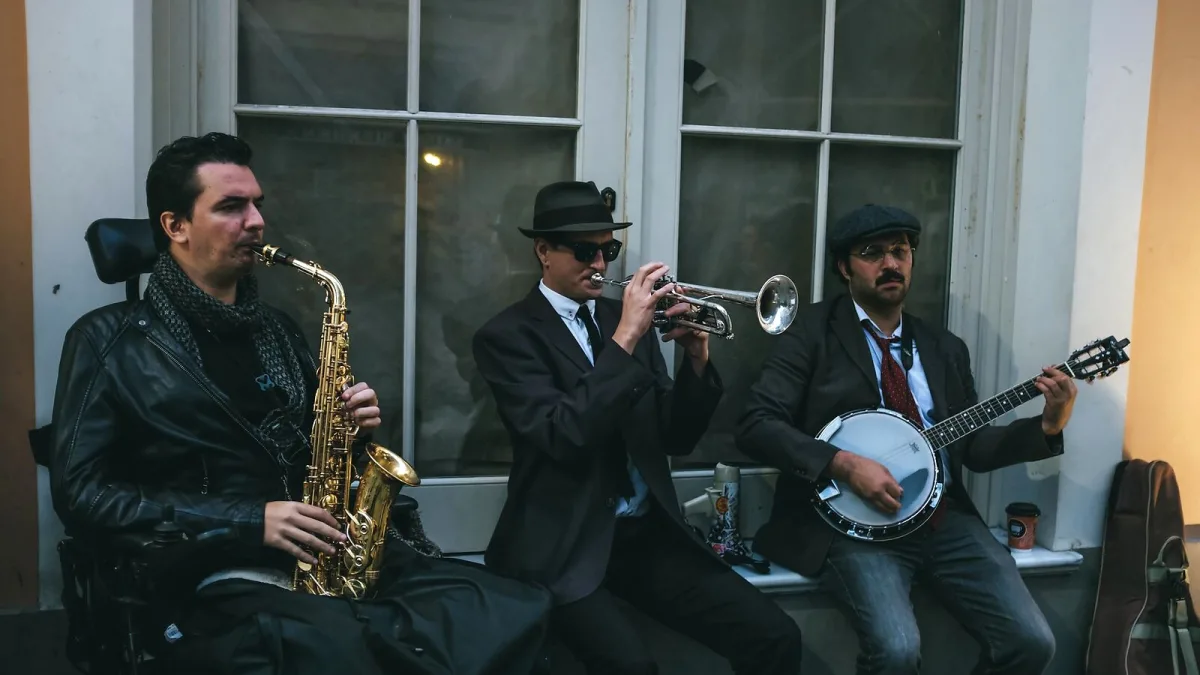
Jazz music doesn't hand you one canon and call it done. It hands you a century of musicians who each tore up the previous rulebook and wrote a new one, and honestly, that's what makes it worth digging into. No ranking here — just the names who actually moved the genre forward, era by era.
The Ones Who Started It: New Orleans
Louis Armstrong is the obvious starting point, and rightly so — his virtuosic trumpet playing and rhythmic phrasing helped turn jazz music from collective improvisation into a genre built around the featured soloist. Jelly Roll Morton, King Oliver and Sidney Bechet were doing equally important work alongside him, shaping the early sound out of blues, ragtime and New Orleans' marching-band culture.
Swing and the Big Bands
Duke Ellington towers over this era — composer, arranger and bandleader whose orchestra stayed genuinely relevant for decades, not just a nostalgia act. Count Basie built his reputation on economical piano playing and a rhythm section that could swing a room from a standstill. Benny Goodman helped push swing into the American mainstream, while vocalists Ella Fitzgerald and Billie Holiday brought completely different strengths to the same era — Fitzgerald's precision and scat singing against Holiday's phrasing and emotional weight.
Bebop Blew the Whole Thing Up
Charlie Parker and Dizzy Gillespie didn't just play faster — they rebuilt jazz's harmonic vocabulary and shifted its whole context from ballroom dancing to focused listening. Thelonious Monk's angular melodies and unusual harmonies sounded genuinely strange at the time and are now standards. Bud Powell laid down the foundational bebop piano vocabulary, and Sarah Vaughan brought that same harmonic sophistication to vocal jazz.
The Postwar Giants
Miles Davis is the name that keeps reappearing because he kept reinventing himself — cool jazz, modal jazz, post-bop, fusion, he touched most of it and left each one changed. John Coltrane's arc from hard bop through modal and spiritual jazz to the avant-garde is one of the most complete artistic journeys in the genre. Bill Evans reshaped what small-group interaction could sound like, Sonny Rollins built entire solos out of a single melodic idea, and Charles Mingus wrote blues-rooted compositions with a level of ambition few of his peers matched. Herbie Hancock and Wayne Shorter carried that same restlessness into funk, fusion and beyond.
| Era | Key names |
|---|---|
| New Orleans jazz | Louis Armstrong, Jelly Roll Morton, King Oliver, Sidney Bechet |
| Swing and big band | Duke Ellington, Count Basie, Benny Goodman, Ella Fitzgerald, Billie Holiday |
| Bebop | Charlie Parker, Dizzy Gillespie, Thelonious Monk, Bud Powell, Sarah Vaughan |
| Postwar and modal jazz | Miles Davis, John Coltrane, Bill Evans, Sonny Rollins, Charles Mingus, Herbie Hancock, Wayne Shorter |
Worth Saying Plainly
This list leans heavily on a canon that disproportionately favours a handful of American male bandleaders, and that's a real limitation, not a footnote. Jazz's full history includes far more women, Black women specifically, and global scenes than the standard list usually credits. Treat this as a genuinely useful starting map, not the final word.
Hearing the Difference Between Them
These artists don't all sound remotely alike, and that's the point — Armstrong's New Orleans swagger, Ellington's orchestral sophistication, Parker's bebop velocity and Coltrane's spiritual intensity are genuinely different listening experiences. Our guide to jazz's subgenres untangles exactly what separates those styles, and our history of jazz music lays out how one era led into the next.
Actually Hearing These Artists
Names on a list only get you so far. Our guide to essential jazz music albums points you toward specific full records from several of the musicians above, and if you'd rather start with individual tracks, our guide to jazz's defining songs is the quicker way in.
The Bottom Line
What connects Louis Armstrong to Herbie Hancock isn't a shared sound — it's a shared refusal to leave the genre exactly as they found it. Every name here changed jazz's rules somewhat, and that restlessness is still the best reason to keep exploring past whatever list you started with.




Comments