


Jazz Music article
A Beginner's Guide to Jazz Music
Jazz has a reputation for being hard work. Here's what actually makes it tick, from improvisation to the rhythm section, without the gatekeeping.
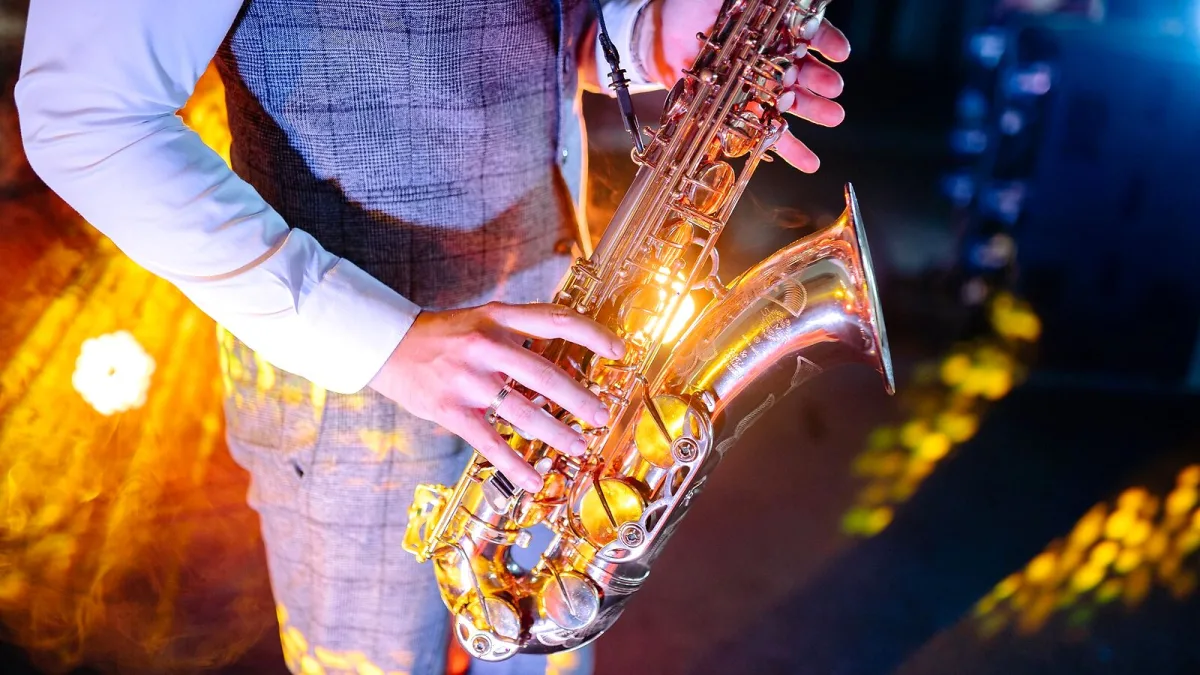
Jazz has a reputation for being difficult to get into, all theory and technical showing-off, and that reputation does it a disservice. At its heart it's a tradition built on real-time conversation between musicians, rooted in blues, rhythm and genuine feeling. Here's what actually makes it tick, without the gatekeeping.
Where It Actually Came From
Jazz grew out of African American musical traditions in New Orleans in the late 19th and early 20th centuries — blues, spirituals, ragtime, work songs and dance music, blended with European harmonic and instrumental ideas. New Orleans mattered because of its multicultural population, its marching-band culture and its strong tradition of collective music-making. It wasn't invented by one person on one date; it grew out of several communities and musicians working in parallel.
The Idea at the Centre of It All: Improvisation
Improvisation — creating musical material spontaneously during performance — sits at the heart of jazz, though it isn't unique to it; blues, Indian classical music and folk traditions all improvise too. What's distinctive about jazz is how central that improvisation is to the whole form. Musicians improvise over a melody, a chord progression, a rhythmic framework or a set of modes, and a huge amount of the genre's character comes from how they do that in the moment.
How a Jazz Performance Actually Works
A typical small-group performance follows a shape that's genuinely useful to know before you listen:
- The ensemble states the head — the composed melody of the tune
- A soloist improvises over the tune's changes, its chord progression
- Other musicians accompany and respond, sometimes trading short improvised exchanges called trading fours
- The group returns to the head and brings the tune to a close
This structure is common rather than universal — plenty of jazz is through-composed, collective, modal or entirely free-form instead.
The Rhythm Section: Where the Pulse Lives
Most jazz groups build around a rhythm section of piano or guitar, bass and drums, and understanding what each one is doing changes how you hear everything else. The bass typically plays a walking bass line, moving in steady quarter notes to outline the harmony and keep momentum. The piano or guitar handles comping — rhythmic, harmonic accompaniment underneath a soloist. The drummer keeps time, usually through the ride cymbal, while adding accents and responses that genuinely converse with whoever's soloing.
Jazz Isn't Just "Swing"
Swing — a rhythmic feel where notes lean into a long-short relationship rather than sitting perfectly even — is a major part of jazz's identity, especially from the big-band era. But it isn't the whole story. Straight-eighth, Latin, funk-based, free and even electronically produced jazz all exist too, and treating swing as a strict requirement misses a lot of genuinely important jazz.
A Few Terms Worth Knowing
| Term | What it means |
|---|---|
| Blue note | A pitch, often the third, fifth or seventh degree, lowered or inflected for expressive effect |
| Twelve-bar blues | A recurring twelve-measure harmonic form used throughout jazz and blues |
| Standard | A widely known song that musicians commonly perform and reinterpret |
| Call and response | A musical exchange between voices, instruments or soloist and ensemble |
A Genre That Kept Reinventing Itself
From early New Orleans jazz through swing, bebop, cool jazz, hard bop, modal jazz, free jazz and fusion, the genre has never really stood still. Our history of jazz music traces how each of those eras actually emerged, and our guide to jazz's subgenres explains what genuinely separates them from one another.
Where to Go From Here
If all this feels like a lot before you've even pressed play, that's completely normal — our guide for newcomers is a far gentler entry point, and our guide to jazz's essential artists puts names and personalities to everything discussed here.
The Bottom Line
Jazz music rewards patience more than expertise. You don't need to know every chord symbol to hear what's happening — following one instrument at a time, noticing the interaction between musicians, and letting the emotional character of a performance land is enough to genuinely enjoy it. The theory can come later, if it comes at all.




Comments