


Jazz Music article
Essential Jazz Music Albums Explained
Forget the hundred-album canon list. Here are six jazz records that actually earned their reputation, worth hearing front to back, no skipping.
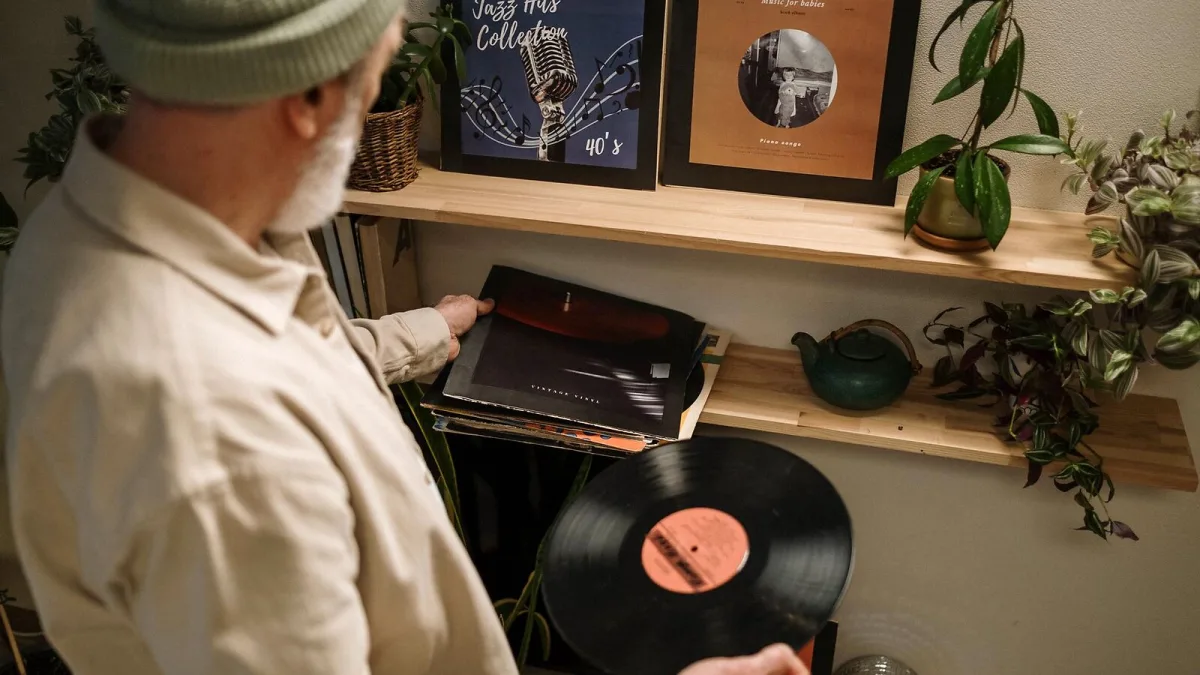
Forget wading through a hundred-album "canon" list. If you want the records that actually earned their reputation — not through hype, but through genuinely reshaping what came after them — here are six to hear front to back, no skipping.
What Makes a Jazz Album "Essential"
It's not obscurity points, and it's definitely not runtime. An essential jazz music album does two things at once: it holds together as a complete listening experience, not just a few standout solos, and it genuinely changed what other musicians thought was possible afterwards. Album lists are subjective by nature — don't let anyone tell you otherwise — but these six keep turning up for good reason.
Miles Davis — Kind of Blue (1959)
The obvious starting point, and it deserves the reputation. Built around modal jazz — scales and modes stretched out instead of rapid chord changes — it's genuinely one of the most accessible entry points into the entire genre, while still being one of the most quietly radical records ever made. If you only hear one jazz music album this year, make it this one.
Dave Brubeck Quartet — Time Out (1959)
Recorded the same year as Kind of Blue, and just as important in its own lane. Brubeck built the record around unusual time signatures — five-four, nine-eight — without it ever feeling like a theory exercise. It swings, it's genuinely fun to listen to, and it proved experimental rhythm didn't have to mean inaccessible music.
Sonny Rollins — Saxophone Colossus (1956)
This is thematic improvisation at its sharpest — Rollins builds entire solos out of a single melodic idea rather than just running through scales, and the result sounds genuinely composed even in the moments that are completely spontaneous. Essential listening for understanding what "a great jazz solo" actually means.
Art Blakey and the Jazz Messengers — Moanin' (1958)
Hard bop with real grit — blues and gospel feeling pushed hard against bebop's harmonic sophistication. Blakey's drumming drives the whole record without ever overpowering it, and it's a genuinely great argument for hard bop as jazz's most physically exciting subgenre.
Charles Mingus — Mingus Ah Um (1959)
Ambitious, blues-rooted composition from one of jazz's most distinctive bandleaders. Mingus wrote for the ensemble as a whole rather than just stacking solos, and the record's emotional range — from tribute to outright anger — still lands with real force decades later.
John Coltrane — A Love Supreme (1965)
A four-part suite that's as close to a spiritual statement as jazz music gets, and it earns that weight rather than just claiming it. Coltrane's arc from hard bop through modal jazz lands here with genuine intensity, and it's the record that proves jazz could carry that much emotional and spiritual ambition without losing its structure.
| Album | Artist | Year | Why it matters |
|---|---|---|---|
| Kind of Blue | Miles Davis | 1959 | The most accessible entry point into modal jazz |
| Time Out | Dave Brubeck Quartet | 1959 | Unusual time signatures made genuinely enjoyable |
| Saxophone Colossus | Sonny Rollins | 1956 | Thematic improvisation at its sharpest |
| Moanin' | Art Blakey and the Jazz Messengers | 1958 | Hard bop with real grit and drive |
| Mingus Ah Um | Charles Mingus | 1959 | Ambitious, blues-rooted ensemble composition |
| A Love Supreme | John Coltrane | 1965 | Spiritual ambition without losing structure |
How to Actually Listen to These
Front to back, in one sitting, ideally without your phone in reach. These records were sequenced deliberately, and skipping to "the good bit" misses exactly what makes them albums rather than a pile of individual tracks. If you want the theory behind why they work — the rhythm section's role, what a soloist is actually doing — our beginner's guide to jazz music covers that properly.
Meet the People Who Made Them
Every record here comes from an artist worth knowing well beyond this one album — our guide to jazz's essential artists covers the wider careers behind these names, and our guide to jazz's subgenres explains exactly what separates hard bop from modal jazz if that distinction isn't clear yet.
The Bottom Line
None of these six albums sound like each other, and that's genuinely the point — each one pushed jazz music somewhere it hadn't been before, and every one of them still holds up as a complete, front-to-back listen rather than a highlights reel. Start with whichever one grabs you first. There's no wrong door in.





Comments