


Grunge article
The History of Grunge
How a damp, overlooked corner of the Pacific Northwest turned secondhand amplifiers and DIY singles into one of rock's defining sounds.
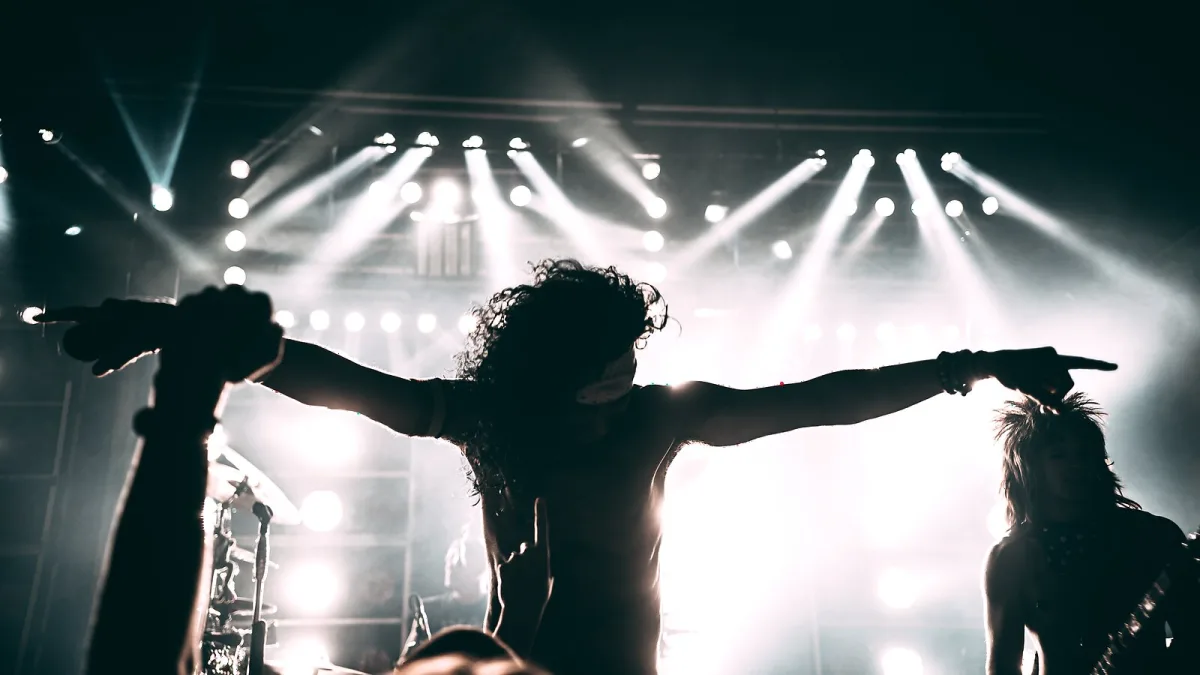
Grunge didn't arrive with a bang so much as a slow, distorted crawl up from the basements and rehearsal rooms of the Pacific Northwest. By the time the rest of the world caught up with it, in the early 1990s, grunge had already lived a whole life underground — built on secondhand amplifiers, thrift-shop flannel, and a stubborn refusal to sound polished. Here's how a regional scene became one of rock's defining moments, and why the bands who never made the cover of a magazine deserve just as much credit as the ones who did.
Where it began: the Pacific Northwest underground
Seattle in the mid-1980s was not, by any stretch, a music-industry town. It was wet, isolated from the coastal hubs of Los Angeles and New York, and largely ignored by major labels. That isolation turned out to be the making of it. A tight community of clubs, fanzines and small independent labels grew up with almost no outside interference, and the bands playing them borrowed freely from punk's directness, heavy metal's weight and hard rock's swagger.
Local publications did the work the national press wouldn't. The Rocket, a Seattle music magazine founded in 1979, covered Nirvana, Soundgarden, Pearl Jam and Alice in Chains years before anyone outside Washington State had heard of them. The journalist Dawn Anderson's zine Backlash tracked the same scene from 1987, chronicling a sound that didn't yet have a name.
Deep Six and the birth of Sub Pop
The first proper document of grunge arrived in 1986, when the independent C/Z Records released Deep Six — a compilation featuring Green River, Soundgarden, Melvins, Malfunkshun, the U-Men and Skin Yard. It's a scrappy, unglamorous record, and it's exactly the kind of unglamorous record that deserves to be remembered as the moment the pieces fell into place.
That same year, Bruce Pavitt and Jonathan Poneman founded Sub Pop Records in Seattle. The label didn't invent grunge, but it gave the scene something it badly needed: an identity. Stark black-and-white photography, a knowing line in self-mockery, and a run of essential singles from Green River, Mudhoney and Soundgarden turned "Seattle" into a word that meant something, even to people who had never set foot in Washington State.
The bands who got there first
Long before flannel shirts became a fashion statement, a handful of bands were quietly setting the template:
- Green River — often credited as the first true grunge band, and the root from which both Mudhoney and Pearl Jam eventually grew.
- Melvins — slow, sludgy and uncompromising; a teenage Kurt Cobain reportedly followed them around as a roadie before starting his own band.
- Mudhoney — Mark Arm and Steve Turner's band, whose 1988 single "Touch Me I'm Sick" is as good a three minutes as the scene ever produced.
- Skin Yard, Malfunkshun and the U-Men — three bands who never got their due nationally, but without whom the Seattle sound simply doesn't add up.
Nirvana signed to Sub Pop in 1988 and released their debut album, Bleach, the following year for a reported $606.17 — a figure that says everything about the era's DIY economics.
1991: the year everything changed
It's tempting to say the breakthrough happened overnight, but the ground had been prepared for years. Alice in Chains' Facelift had already reached a mainstream rock audience in 1990. Then, within months of each other in 1991, Nirvana released Nevermind, Pearl Jam released Ten, and Soundgarden released Badmotorfinger — three records that, between them, rewrote what a major label thought "alternative" could sell.
"Smells Like Teen Spirit" gets the credit as the song that did it, and it's a fair shorthand, even if the truth is messier: MTV exposure, college radio, relentless touring and a genuine appetite for something rougher than the era's hair metal all played their part. Full breakdowns of that run of records — and the ones either side of it — are in our guide to essential grunge albums.
The "Big Four", and everyone that label leaves out
Nirvana, Pearl Jam, Soundgarden and Alice in Chains are usually grouped together as the "Big Four" — a tidy, retrospective label rather than anything the bands chose for themselves. It's useful shorthand, but it flattens a scene that also included Screaming Trees, Tad, and the two founding halves of Green River. For a proper rundown of who actually shaped grunge, our guide to the best artists to know goes further than the headline four.
Decline, tragedy and what came after
The commercial peak was startlingly brief. By the mid-1990s, grunge had curdled into a marketing term applied to any band with a flannel shirt and a distortion pedal, and the backlash was swift. Kurt Cobain's death in April 1994 became, fairly or not, the symbolic full stop on the era; Alice in Chains' Layne Staley would die in 2002, a second loss the scene never fully recovered from.
What followed was a wave of bands — often filed under post-grunge, a related but distinct sound — who smoothed the rough edges into something more radio-friendly. Our guide to the subgenres traces exactly where that line gets drawn.
Why it still matters
Three decades on, grunge's real legacy isn't the flannel or the "Seattle sound" headlines — it's the idea that a record didn't need to be polished to be great. That unfussy, unglamorous honesty runs through the indie rock and alternative music that followed, and it's why the underdog bands who never had a hit single still get talked about with real affection. New to any of this? Our beginner's guide is the natural next stop, and our listening path for newcomers tells you exactly what to play first.



Comments