


Grunge article
Essential Grunge Albums Explained
This was always an album-format genre. Here are the essential grunge records, in order, and exactly why each one earns its reputation.
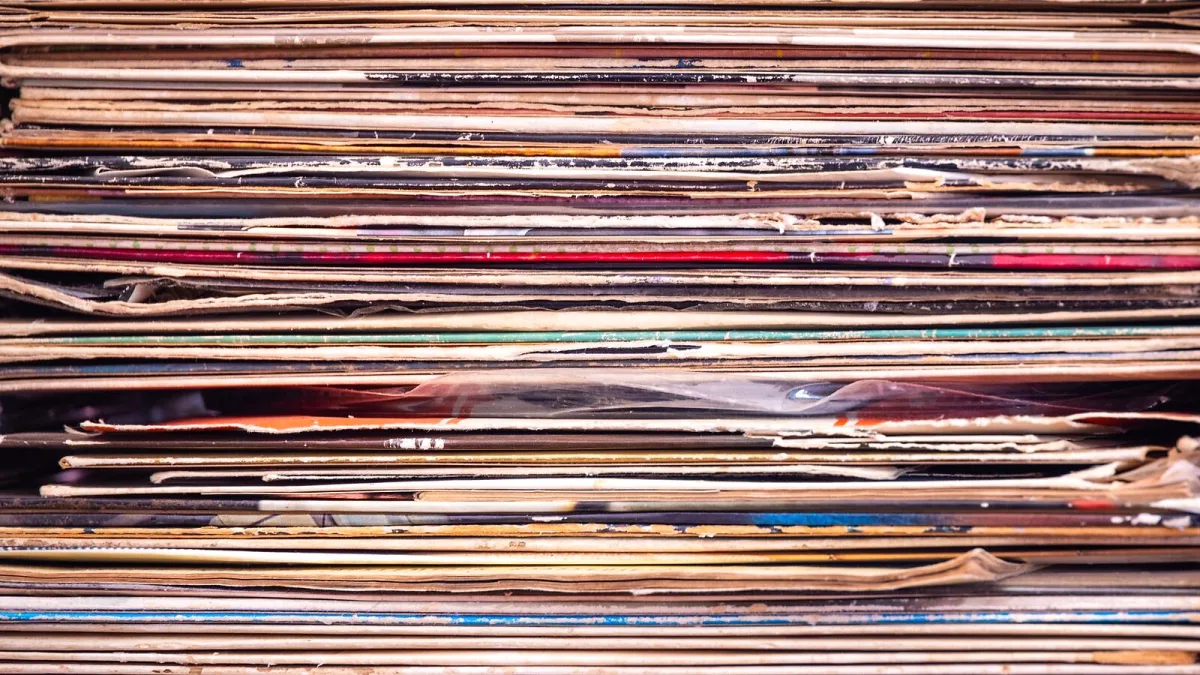
Some genres are best understood through their singles. Grunge isn't one of them: it was built album by album — whole sides of vinyl that took their time, shifted mood halfway through, and rewarded you for sitting with them rather than skipping to the chorus. These are the records that matter most, in the order they happened, and why each one earns its place.
The records that came before the boom
Nirvana — Bleach (1989)
Recorded for Sub Pop on a reported budget of $606.17, Bleach is heavier and sludgier than anything Nirvana released afterwards — closer to the Melvins than to Nevermind. It's not a polished record, and it isn't trying to be — this is grunge before the major-label budget arrived. That's exactly why it matters.
Soundgarden — Louder Than Love (1989)
Soundgarden's second album, and their first for a major label (A&M), showed a band already more technically ambitious than most of their grunge peers, mixing thick metal riffing with genuinely strange rhythmic ideas.
1991: three albums, one turning point
Nirvana — Nevermind
Released on DGC in September 1991, Nevermind is the record that took underground grunge worldwide, largely on the back of "Smells Like Teen Spirit". Producer Butch Vig's mix gave it a clarity the demos never had, which is part of why it crossed over so completely — and part of why some longtime fans still prefer the rawer Bleach.
Pearl Jam — Ten
Pearl Jam's debut leaned closer to classic rock than most of their Seattle peers, built on Mike McCready's soloing and Eddie Vedder's baritone. "Alive", "Jeremy" and "Black" turned it into one of the best-selling debut albums of the decade.
Soundgarden — Badmotorfinger
Released the same year, Badmotorfinger is arguably the heaviest grunge record of the three, built on Kim Thayil's unconventional tunings and time signatures that owe as much to metal as to punk. For the fuller cast of artists behind these records, see our guide to the best artists to know.
The heaviest and the deepest
Alice in Chains — Dirt (1992)
A genuinely bleak record, shaped by Layne Staley's addiction and Jerry Cantrell's songwriting, Dirt is often named by musicians as the most emotionally direct grunge album ever made. "Rooster", "Would?" and "Down in a Hole" show a band unafraid of the darkest material available to them.
Alice in Chains — Jar of Flies (1994)
An acoustic-leaning EP rather than a full album, Jar of Flies proved the band's songwriting worked just as well stripped back, and it became the first EP ever to debut at number one on the US charts.
The victory lap
Soundgarden — Superunknown (1994)
By 1994, Soundgarden had refined their sound into something both stranger and more accessible. "Black Hole Sun" and "Spoonman" gave them their biggest hits, without sanding off the odd time signatures underneath.
Nirvana — In Utero (1993)
A deliberate, abrasive reaction to Nevermind's polish, recorded with Steve Albini. It was Nirvana's final studio album before Kurt Cobain's death in April 1994, and many fans consider it the band's most honest record.
Don't skip these
Beyond the household names, a handful of grunge records reward the extra effort:
- Mudhoney — Superfuzz Bigmuff (1988), the fuzzed-out EP that arguably started the whole aesthetic.
- Screaming Trees — Sweet Oblivion (1992), led by the late Mark Lanegan's voice.
- Mother Love Bone — Apple (1990), released after singer Andrew Wood's death, and the missing link to Pearl Jam.
- Temple of the Dog — the self-titled 1991 tribute record built around Chris Cornell and the future members of Pearl Jam.
For a broader map of how these records connect to the wider movement, our history of grunge covers the timeline, and our guide to its subgenres explains where the harder and softer strands diverge.
Where to start if this is all new
If this list feels like a lot, it needn't be a hurdle. Our listening path for newcomers puts these very grunge albums into a sensible running order, so you're not guessing where to press play first.



Comments