


Grunge article
Grunge Subgenres, Explained
One word, several distinct sounds. Here's a direct breakdown of grunge's real subgenres, and the related scenes it constantly gets confused with.
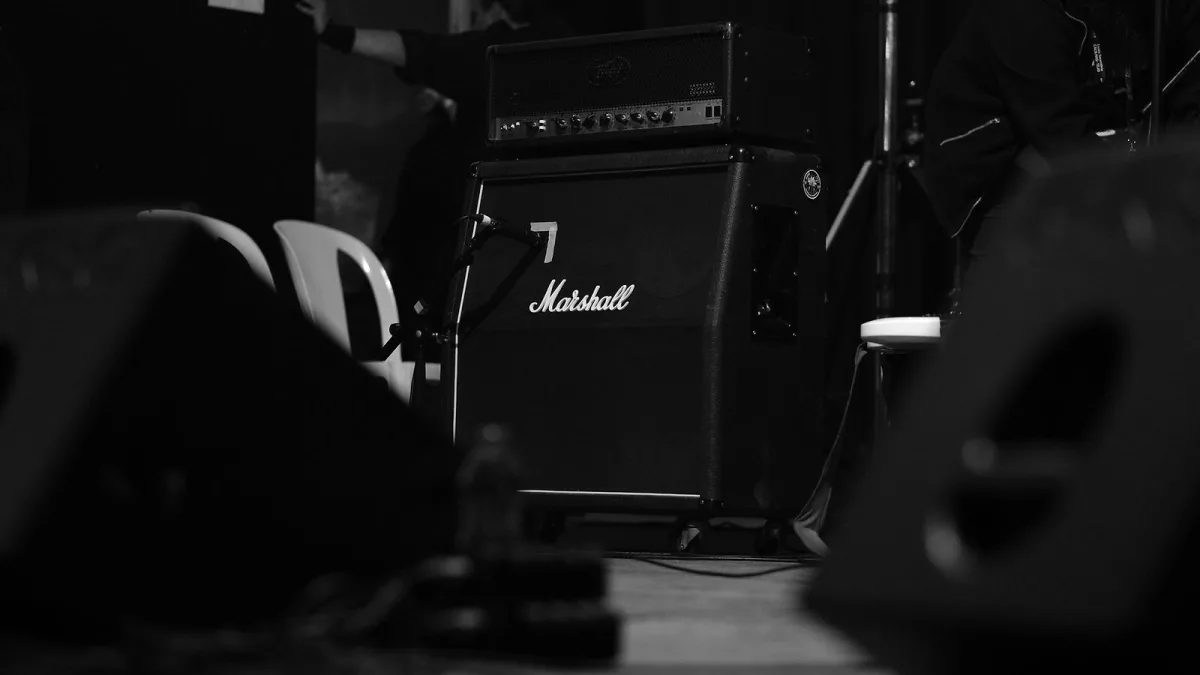
Say the word and most people picture one thing: flannel, distortion, Seattle, done. That's lazy. There were several distinct strands feeding into and out of this sound, and knowing them actually changes how you listen. No fluff, here's the breakdown.
Proto-grunge: before it had a name
Before anyone used the word seriously, a run of Seattle bands were already fusing punk's speed with heavy metal's weight. Green River, Melvins and Skin Yard are the names that matter here, documented on C/Z Records' 1986 compilation Deep Six. This isn't a footnote — it's the actual starting point, and it's covered in full in our history piece.
Classic Seattle sound
This is the sound most people mean by default: downtuned guitars, thick distortion, loud-quiet-loud dynamics, and lyrics that didn't bother dressing up disillusionment. Nirvana, Pearl Jam, Soundgarden and Alice in Chains sit here, alongside Mudhoney and Screaming Trees. It's a wider net than four bands, and our guide to the best artists covers the full cast.
The heavier, metal-leaning edge
Some bands leaned so hard into metal that the line blurs completely. Alice in Chains and Soundgarden both sit here as much as in the classic category above — downtuned riffs, technical time signatures, and a darkness closer to Black Sabbath than to punk. If your entry point was metal rather than indie rock, this is probably the strand you'll gravitate to first.
Post-grunge: the sound after the sound
By the mid-1990s, major labels wanted more of what had just sold millions of records, minus the risk. It's the result: the same distorted guitars and brooding vocals, sanded down for radio. Stone Temple Pilots, Bush and Candlebox are the names most commonly filed here. It's a real, useful category — just don't mistake it for the genuine article. It borrowed the surface and left most of the mess behind.
Sludge and the doom-metal overlap
The Melvins pulled the sound in a slower, heavier direction that fed directly into sludge metal and, later, stoner rock. It's a smaller, less commercial branch, but an important one — without it, half the guitar tone this whole scene is known for wouldn't exist. If you like your rock slow and crushing rather than anthemic, start there rather than with the radio hits.
Related but distinct: riot grrrl
Worth a direct mention, because people conflate them constantly: riot grrrl, centred on nearby Olympia and bands like Bikini Kill, came out of the same Pacific Northwest DIY network around the same years, but it's a punk-rooted, explicitly feminist movement with its own bands, labels and politics. Geographic overlap, different genre. Don't lump them together just because they happened at the same time in the same corner of Washington State.
Modern revival
The sound never fully went away. Successive waves of alternative and indie rock bands have returned to downtuned guitars and loud-quiet dynamics, usually described as a revival of the sound rather than the real thing — a useful reminder that the original context, a specific city and a specific decade, can't actually be repeated, only referenced. Our guide to essential albums is the better starting point if you want the source material rather than the tribute acts.
The bottom line
Treat this as one sound and you'll miss most of what makes it interesting. Treat it as several overlapping strands — proto, classic, metal-adjacent, post-, sludge, and everything the revival bands borrowed back — and the whole picture makes a lot more sense. If you're brand new to any of it, our beginner's guide is the place to start before you worry about subgenres at all.



Comments