


Grunge article
A Beginner's Guide to Grunge
What the sound actually is, where it came from, and why it mattered — the fast, no-nonsense version for anyone starting from zero.

Right, let's cut through it. You've heard the word, you've probably heard "Smells Like Teen Spirit" a hundred times without really thinking about it, and now you want the actual picture. Here's what the sound is, where it came from, and why it mattered enough that we're still writing about it three decades later.
What actually is grunge?
It's a rock sound built on heavy distortion, downtuned guitars and a dynamic swing between quiet, almost withdrawn verses and huge, loud choruses. Underneath the noise, the songwriting owes debts to punk (short, direct, no patience for solos that go nowhere), heavy metal (thick, downtuned riffs) and straightforward hard rock. Mix those three together, strip out any interest in looking glamorous, and you're most of the way there.
Where it came from, in brief
Short version: Seattle, and the wider Pacific Northwest, in the mid-to-late 1980s. A run of bands including Green River and the Melvins built the template in near-total isolation from the rest of the music industry, and the independent label Sub Pop gave the scene its identity. Nirvana's Nevermind blew it wide open in 1991. If you want the full story with dates and names, our history of grunge has it. This piece isn't that — it's the fast version, for people who just want to understand what they're listening to.
What it actually sounds like
A few things you'll hear again and again:
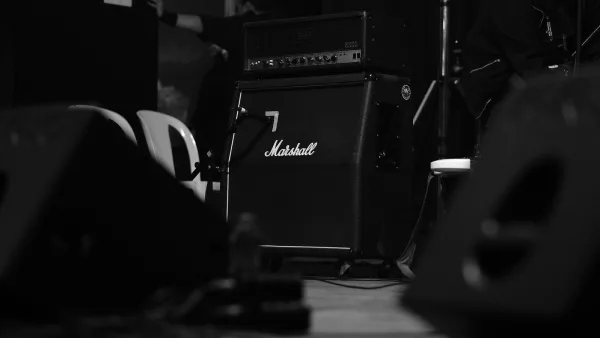
- Heavy distortion — usually from an overdriven amp, sometimes stacked with a fuzz or overdrive pedal on top.
- Loud-quiet dynamics — a hushed, sparse verse that explodes into a wall of guitar for the chorus. Nirvana practically trademarked it.
- Unpolished vocals — strain, rasp and audible effort, kept in rather than smoothed out in the mix.
- Simple, powerful riffs — power chords and blues-based patterns over flashy technical playing.
None of this was standardised. Soundgarden used odd time signatures, Pearl Jam leaned closer to classic rock, and Alice in Chains brought genuine metal weight. There was never one rig or one formula, whatever the magazine articles about "the grunge guitar sound" might imply.
Why it mattered
Before this, rock's biggest stars looked and sounded aspirational — big hair, bigger production, not a hint of ordinary life anywhere near the video. This scene did the opposite on purpose. The clothes were whatever was in the wardrobe, the vocals kept their imperfections, and the lyrics dealt in boredom, alienation and honesty rather than fantasy. That shift mattered as much as the music itself: it made "unpolished" a viable commercial position, and alternative and indie rock have leaned on that idea ever since.
The names you'll keep hearing
You don't need a full family tree on day one, but these are the names that come up constantly: Nirvana, Pearl Jam, Soundgarden and Alice in Chains, often grouped as the genre's "Big Four", plus Mudhoney and Screaming Trees for anyone who wants to dig one layer deeper. Our guide to the best artists to know goes through all of them properly.
Where this leaves you
That's the shape of it: a rock sound built on distortion and dynamic contrast, born out of a specific city's isolation from the industry, that briefly became the biggest thing in the world before settling into being one of rock's most respected chapters. Understanding the "what" and "why" is one thing — actually knowing what to press play on is another job entirely. For that, go straight to our practical listening path for newcomers, which tells you exactly what to hear first, second and third.



Comments