


Folk Music article
Folk Music Subgenres, Explained
A solo singer with a guitar and a full electric band playing centuries-old ballads are both folk music. Here's how the genre's branches actually differ.
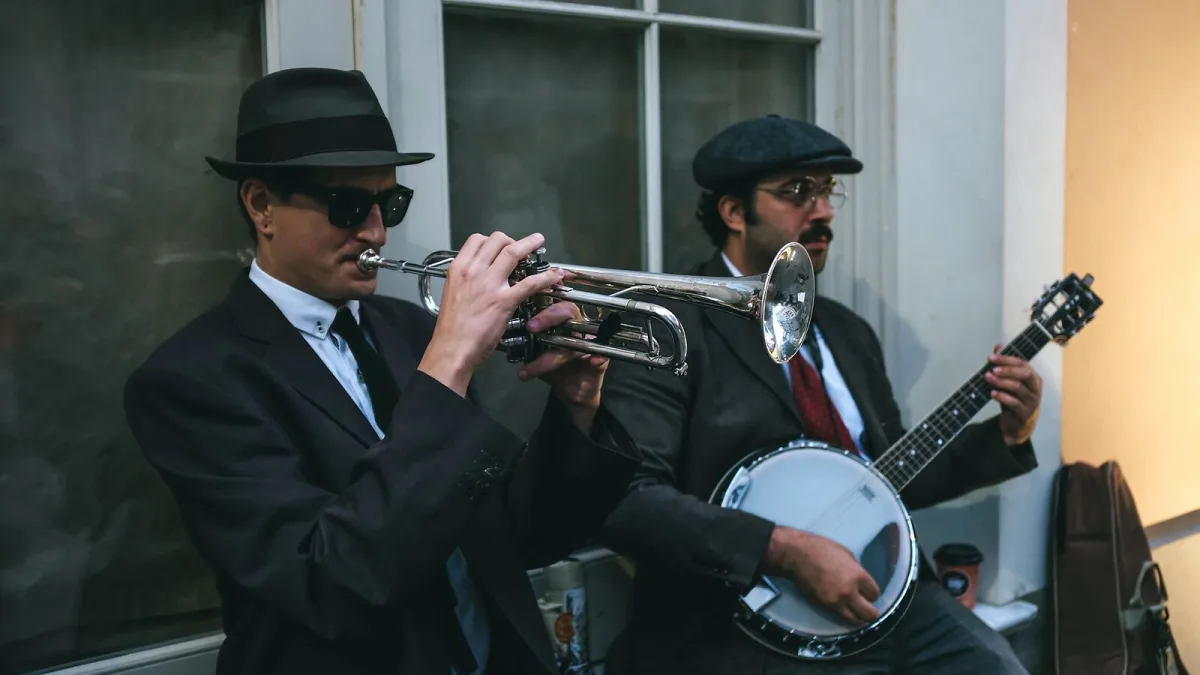
Say the words "folk music" to five different people and they'll picture five different things — a solo singer with an acoustic guitar, a fiddle-led session in a pub back room, a full band with drums and electric guitars playing centuries-old ballads. All of them are right, which is exactly the problem this guide exists to sort out. Here's a plain-English map of the genre's main branches, and how they actually differ from one another.
Traditional and Source Folk Music
This is the oldest branch, and the one most people picture first: orally transmitted ballads, work songs, dance tunes and lullabies, learned by ear and passed down with no single fixed version. It's usually collectively owned rather than credited to a known writer, and it varies by region — a ballad collected in one village might differ noticeably from the same story sung two counties over. Field recordings and archival collections, like those held by Smithsonian Folkways, exist precisely to capture and preserve versions of this material before they're lost.
British and Irish Folk
A regional strand worth calling out on its own, built around fiddle, whistle, pipes, accordion, bodhrán and voice, with a strong emphasis on dance tunes alongside ballads. It's the tradition that produced Francis James Child's landmark ballad collection, and it later fed directly into British folk rock once bands started plugging traditional material into electric instruments.
Folk Rock
Exactly what it sounds like: traditional or traditionally styled songwriting played through a full electric band rather than solo voice and acoustic instruments. Fairport Convention's genre-defining work in the late 1960s showed how a centuries-old ballad and a drum kit could coexist without either one losing its identity. It's a branch built on tension — old material, new instrumentation — and that tension is exactly what makes it interesting.
American Old-Time and Appalachian Folk
Rooted in the fiddle, banjo and vocal harmony traditions of Appalachia, this branch carries a distinctly different flavour from its British cousins, shaped by the region's own mix of settler, African American and other influences. It shares instruments and some repertoire with bluegrass but tends toward looser, less formally arranged playing, with more emphasis on communal dance and porch-session tradition than on virtuosic solos.
Bluegrass
Often mentioned in the same breath as old-time music, bluegrass is really its own more structured cousin — built around tight vocal harmonies, rapid instrumental breaks and a clear lead-and-backup arrangement between banjo, fiddle, mandolin and guitar. Where old-time favours the group sound, bluegrass tends to showcase individual musicianship within a tightly disciplined format.
Contemporary Singer-Songwriter Folk
This is where the genre moves from "collectively owned tradition" to "clearly authored, personal songwriting" — records built around one voice, one perspective and a carefully crafted lyric, using folk's acoustic language without necessarily drawing on any specific traditional repertoire. It's the branch that produced some of the genre's most enduringly personal, confessional records.
Indie Folk
A more recent branch, emerging from artists who came up through indie and alternative scenes before finding their way to acoustic instruments and old-fashioned songcraft. It tends to favour lush vocal harmony, unhurried arrangements and a slightly more polished studio sound than the traditional branches above, while still nodding openly to the folk tradition it's drawing from.
Americana and Folk-Punk
Two branches worth knowing that pull folk in opposite directions. Americana blends folk with country, roots rock and blues into a broad, radio-friendly umbrella term. Folk-punk does the opposite, taking folk's acoustic instrumentation and communal spirit and running it through punk's speed, volume and DIY attitude — proof that folk music can absorb almost anything thrown at it.
| Subgenre | Defining trait |
|---|---|
| Traditional/source folk | Orally transmitted, no single fixed version |
| British and Irish folk | Fiddle, pipes and dance-tune emphasis |
| Folk rock | Traditional material through a full electric band |
| Old-time/Appalachian | Fiddle and banjo, looser communal playing |
| Bluegrass | Tight harmonies, structured instrumental breaks |
| Singer-songwriter folk | Personal, clearly authored songwriting |
| Indie folk | Harmony-driven, studio-polished contemporary sound |
| Americana / folk-punk | Folk pulled toward country or toward punk |
None of these folk music boxes are airtight, and plenty of artists work comfortably across two or three of them at once. Use this as a rough map rather than a rulebook. If you want names to go with each branch, our guide to the best folk artists to know covers several of them directly, and our history of folk music explains how the fork between traditional and folk rock actually happened. Newer to the genre? Our beginner's guide to folk music is a gentler place to start than this branch-by-branch breakdown.





Comments