


Folk Music article
Folk Music for Newcomers: Where to Start
Nobody starts out knowing the difference between a ballad and a lament. A gentle, pressure-free path into folk music for total newcomers.
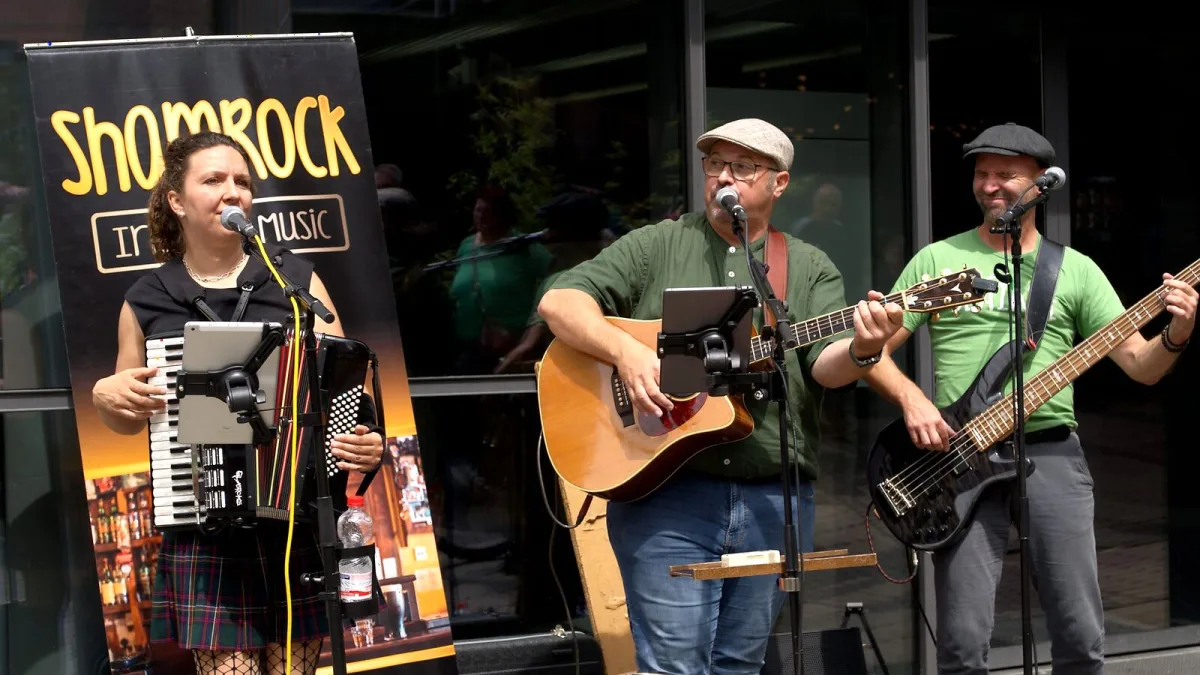
Nobody arrives at folk music already knowing the difference between a ballad and a lament, and nobody needs to before they start enjoying it. If the sheer size of the genre has put you off — decades of history, dozens of regional traditions, more subgenres than seems reasonable — this is the guide that skips all of that and simply tells you where to put your ear first.
Forget Knowing Everything First
You don't need a map of the whole genre before you take a single step into it. Most people who love this music didn't start by studying it — they started by liking one song, then following where it led. Give yourself permission to do the same. Nobody's checking whether you can define "Americana" on your first afternoon.
Pick One Folk Music Tradition, Not the Whole Genre
Rather than trying to sample everything at once, choose a single, clearly defined starting point — British balladry, Appalachian music, Irish traditional tunes, or American protest folk are all good options — and simply spend time there before wandering off elsewhere. A whole tradition is still far too big to "finish," but it's a manageable enough slice that you'll start noticing patterns: the same handful of song shapes, the same handful of instruments, turning up again and again.
Listen to the Same Song Twice, Sung by Two Different People
This is the single most useful habit a newcomer can build, and it costs nothing. Find one song and listen to two different recordings of it — a field recording next to a polished studio version, or two artists' takes on the same traditional ballad. Notice what changed: the melody, the tempo, the lyrics, the instrument doing the accompanying. That variation isn't a flaw or an accident. It's the entire mechanism by which folk music has always stayed alive, and once you can hear it, you'll start hearing it everywhere.
Ask What the Song Is Actually For
A useful question to carry with you: is this a story being told, a lullaby, music for dancing, a work song, or something written to be sung together by a room full of people? Knowing the function of a song tells you far more about how to listen to it than knowing its exact subgenre label ever will. A ballad rewards patience and attention to the story. A dance tune rewards following the rhythm, not the words.
Read the Notes, If There Are Any
Folk recordings, especially older or archival ones, often come with liner notes explaining where a song came from, who collected it, and which community or region it belongs to. Don't skip these. They turn a song from a nice tune into a small piece of someone's actual history, and that context tends to make everything else about the music click into place a little faster.
A Gentle First Month
If you'd like something closer to a plan, try this loosely, without pressure:
- Week one: pick one song and one tradition, and just sit with it.
- Week two: find two more recordings of that same song, and compare them properly.
- Week three: follow one artist or performer from that tradition into their wider catalogue.
- Week four: step sideways into a neighbouring tradition and see what feels familiar and what feels new.
There's no test at the end of it, and no wrong way to wander off the plan entirely if something catches your attention early.
Where to Wander Next
Once a few names and songs start feeling familiar, our fuller beginner's guide to folk music fills in the definitions and history you skipped over here, and our roundup of the best folk artists to know gives you real names to follow rather than abstract traditions. When you're ready to go deeper still, our breakdown of folk's subgenres is there whenever the labels start to matter to you. Until then, there's no rush at all.




Comments