


Electronic Music article
The History of Electronic Music
It starts with an instrument nobody touches — here's how electronic music actually grew, from tape experiments to Detroit's drum machines.
There's something quietly moving about the fact that the whole story of electronic music starts with an instrument nobody touches. The theremin, played by waving your hands through invisible fields, arrived in the early twentieth century — decades before anyone had a club to play a record in. Everything else grew from that same strange, patient curiosity.
The Instruments Nobody Expected
Alongside the theremin came the Ondes Martenot, an eerie, expressive keyboard instrument that composers fell for instantly. Then, in the 1940s, French composer Pierre Schaeffer started doing something genuinely radical in Paris: cutting, splicing, reversing and looping recorded tape until the tape itself became the instrument. He called it musique concrète, and it quietly rewired what a "sound" was allowed to be. By the 1950s and 60s, composers like Karlheinz Stockhausen were treating electronic tone as serious, structured composition in university studios across Europe — unglamorous rooms that turned out to matter enormously.
The Synthesizer Finds Its Audience
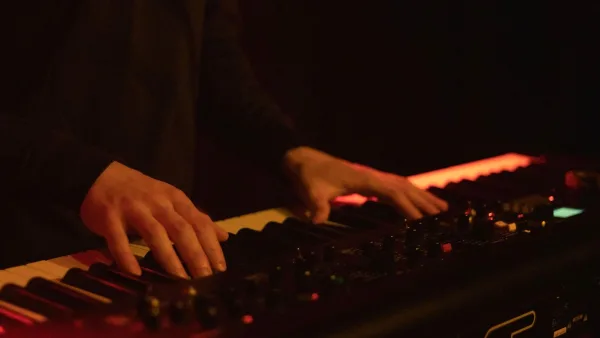
Robert Moog's modular synthesizers changed the emotional temperature of the whole story. Suddenly this wasn't just academic — it could be genuinely playful, even pop. When Wendy Carlos released Switched-On Bach in 1968, performing Bach on a Moog, ordinary listeners who'd never have sat through an experimental tape piece fell completely for it. That's the moment the synthesizer stopped being a curiosity and electronic music became something people actually wanted to hear.
The 1970s Get Their Hands Dirty
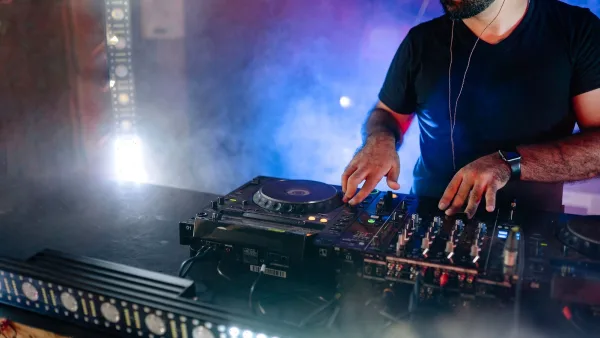
Through the 70s, synthesizers, drum machines, turntables and cassette culture started bleeding into disco, krautrock, new wave and the earliest synth-pop. Kraftwerk, in particular, gave the whole movement a proper aesthetic — cold, futuristic, deliberately machine-like, and enormously influential on almost everything that followed.
Drum Machines Change Everything
Then two boxes arrived that quietly reshaped electronic music forever: the Roland TR-808 and TR-909. Their sounds became the backbone of electro, house and techno. Frankie Knuckles was building house music's foundations in Chicago's clubs, while in Detroit, Juan Atkins, Derrick May and Kevin Saunderson were developing techno's machine-driven, futuristic identity — different cities, overlapping ideas, both genuinely inventing something new. MIDI arrived in the 1980s too, letting instruments finally talk to each other, which sounds unglamorous but changed production forever.
Software Takes Over, and the World Gets Bigger
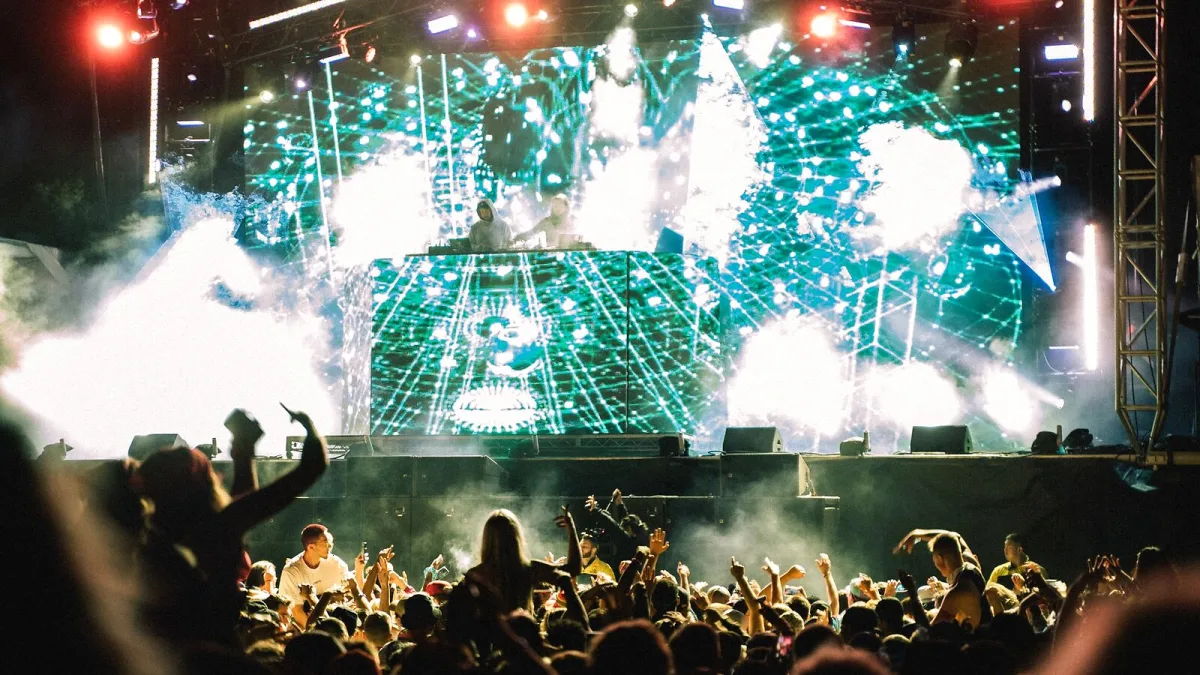
Digital samplers, digital synths and eventually full computer-based studios meant a bedroom could suddenly do what once needed a proper studio and a small fortune. The 1990s brought a genuine explosion — rave culture, trance, jungle, drum and bass — all of it fed by musicians who'd grown up on the previous two decades of machines. By the 2000s and 2010s, electronic production had quietly become central to mainstream pop as well as festival-scale EDM, while the underground clubs that started it all never actually stopped.
Where the Threads Lead Now
None of this happened in a straight line, and no single city or person invented the whole thing — it's overlapping scenes, shared technology and a lot of people building on each other's ideas. If you want to meet the people behind these moments properly, our guide to the genre's key artists picks up exactly where this leaves off, and our subgenre breakdown untangles what all these overlapping styles actually mean today.



Comments