


Electronic Music article
Essential Electronic Music Albums Explained
The records that actually moved the needle in electronic music, explained through rhythm — precision, hypnosis, texture and pure dancefloor fuel.
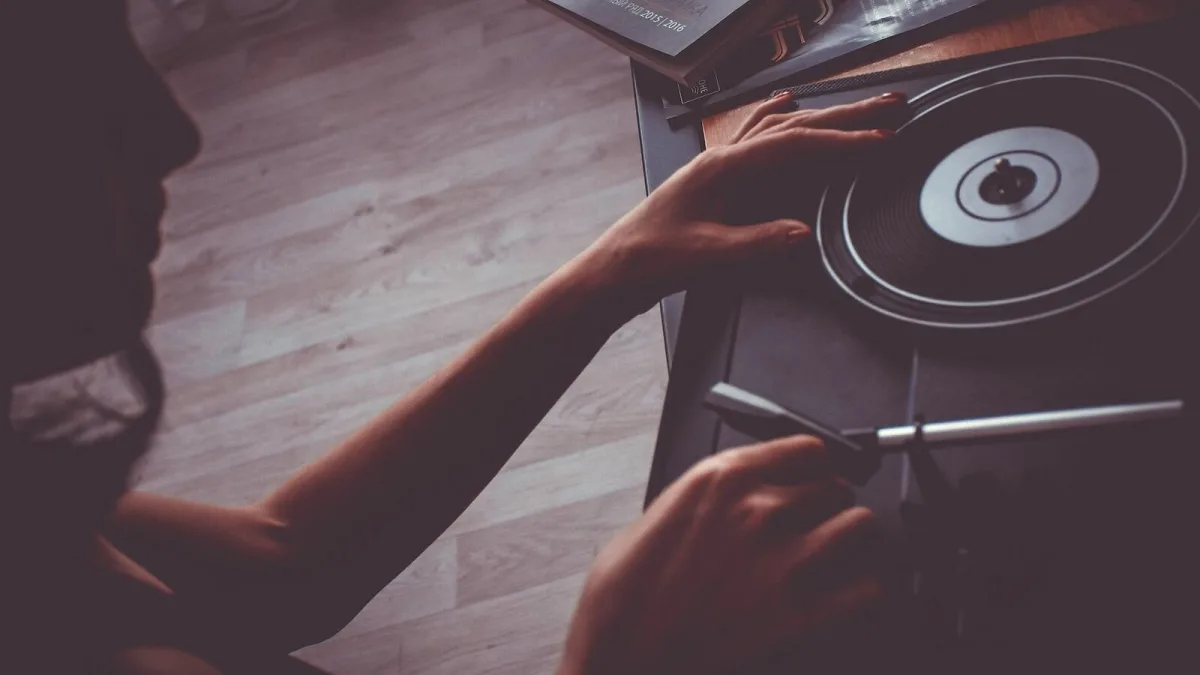
I come from a city that gave the world a whole rhythm and a whole attitude, so I know how much a single record can carry when it's genuinely built on something new. These are the electronic music albums that actually moved the needle, and what they were doing rhythmically that mattered.
Wendy Carlos — Switched-On Bach (1968)
The record that proved a synthesizer could reach beyond the lab and into people's homes. Carlos performed Bach's compositions on a Moog, and the rhythmic precision of the playing did as much work as the novelty of the sound itself — this wasn't a gimmick record, it was genuinely virtuosic.
Kraftwerk — Trans-Europe Express (1977)
Motorik rhythm at its most hypnotic — steady, mechanical, endlessly repeating, and somehow completely absorbing rather than boring. This is the album where Kraftwerk's cold, futuristic aesthetic fully arrived, and its rhythmic DNA runs straight through disco, techno and hip-hop that came afterwards.
Jean-Michel Jarre — Oxygène (1976)
Proof that electronic composition could be genuinely widescreen rather than club-sized. Jarre built entire movements from layered synthesizer textures and patient, evolving rhythm rather than a fixed beat, and it became one of the best-selling electronic records ever made in the process.
Underworld — dubnobasswithmyheadman (1994)
A proper bridge record — rave energy and club rhythm married to genuine songwriting and texture. The rhythmic programming here rewards headphones as much as a dancefloor, which was rarer than you'd think at the time.
Daft Punk — Discovery (2001)
House rhythm, disco sampling and pop songwriting fused into something that shouldn't have worked as smoothly as it did. The groove throughout is relentlessly danceable while somehow still sounding warm rather than clinical — a genuinely difficult balance to strike.
Aphex Twin — Selected Ambient Works 85–92 (1992)
The rhythmic opposite of a dancefloor record in places, and genuinely rhythmic in others — this is an album that treats tempo and groove as something to be examined rather than simply used. Essential listening if you think "ambient" means "no rhythm."
Why Rhythm Is the Thread Worth Following
Every one of these records treats rhythm slightly differently — as precision, as hypnosis, as texture, as pure dancefloor fuel — and that variety is genuinely the point. Electronic music gets flattened into "beats" far too often by people who haven't actually sat with a record like Oxygène or Selected Ambient Works, where the groove is doing something much more patient and considered than a simple four-on-the-floor thump.
Quick Reference
| Album | Artist | Rhythmic character |
|---|---|---|
| Switched-On Bach | Wendy Carlos | Precise, almost classical timing on a synth |
| Trans-Europe Express | Kraftwerk | Hypnotic, motorik, endlessly repeating |
| Oxygène | Jean-Michel Jarre | Patient, evolving, widescreen |
| dubnobasswithmyheadman | Underworld | Club-built but headphone-rewarding |
| Discovery | Daft Punk | Warm, disco-fed, relentlessly danceable |
| Selected Ambient Works 85–92 | Aphex Twin | Rhythm as texture, not just pulse |
Start with whichever rhythmic character actually appeals to your ear right now — there's no correct order here. If you want the songs rather than full records, our essential tracks guide is the natural companion, and if you're still working out who made these records and why they matter, our guide to the genre's key artists fills in that context properly.





Comments