


Electronic Music article
Electronic Music for Newcomers: Where to Start
Five tracks, in order, no jargon assumed — plus a proper first crack at making some electronic music yourself if you fancy it.
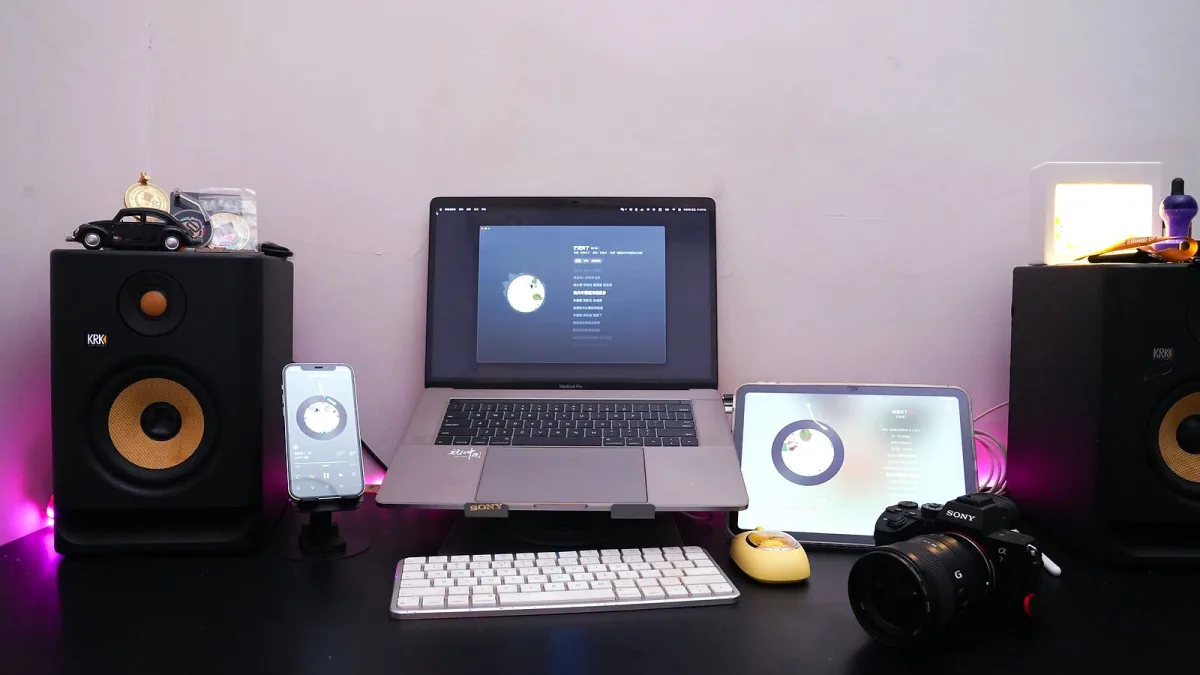
Right. You want to get into electronic music, but every list you've found so far is either forty artists deep or assumes you already know what a "four-on-the-floor" is. Here's the actual starting sequence, five stops, then a proper crack at making some yourself if you fancy it.
Stop One: Donna Summer, "I Feel Love"
Start here because it's the moment a sequenced synth bassline became the emotional centre of a song rather than a gimmick. Everything on this list owes it something.
Stop Two: Kraftwerk, "Trans-Europe Express"
Now hear repetition used properly — steady, mechanical, deliberately unhurried. If "Cars go beep beep" jokes are all you know about this band, this track will correct that fast.
Stop Three: Orbital, "Chime"
This is where the dancefloor properly enters the picture. Simple, joyful, built on almost nothing, and still absolutely works.
Stop Four: Daft Punk, "Around the World"
House music with almost architectural precision. Count how few actual ideas this track uses and how much it builds from them. That's the whole skill in one song.
Stop Five: Aphex Twin, "Windowlicker"
Finish here because it breaks the rules the other four just taught you, on purpose. Once you get why that's clever rather than just weird, you've genuinely got it.
Right, Fancy Making Some Electronic Music Yourself?
You don't need a studio. A laptop and one decent piece of software will do it, since modern DAWs pack synthesizers, samplers and drum machines into one place. Most classic synth sounds come from a simple signal path: an oscillator makes a waveform, a filter shapes which frequencies get through, and an envelope controls how it changes over time.
- Learn your software's basic navigation before touching anything fancy
- Build a simple, repetitive drum pattern first
- Add one bassline using plain MIDI notes
- Layer a simple melody or chord progression on top
- Finish something short rather than endlessly tweaking one idea
That last step is the one beginners skip constantly, and it's the one that actually teaches you anything. An unfinished sixteen-bar sketch teaches you nothing compared to a finished one. Nobody's first attempt at electronic music sounds like the tracks above, and that's completely fine — it isn't supposed to yet.
Don't Try to Like Everything at Once
One honest bit of advice before you go further: not every branch of this will click for you, and that's completely normal. Some people fall for house and never touch ambient. Others go the opposite way entirely. Follow what actually grabs you rather than forcing interest in a subgenre just because it's supposedly important.
Where to Go From Here
Once these five tracks feel familiar, our full essential tracks guide gives you plenty more, and our subgenre breakdown will help you work out which specific branch — house, techno, ambient, whatever — actually grabbed you most. If the bigger picture still feels fuzzy, our beginner's guide covers what actually defines all of this in the first place.






Comments