


Classic Rock roundup
The Best Classic Rock Songs Right Now
Not a chart snapshot — the classic rock songs that keep earning their spot on jukeboxes, dance floors and long drives, decade after decade.
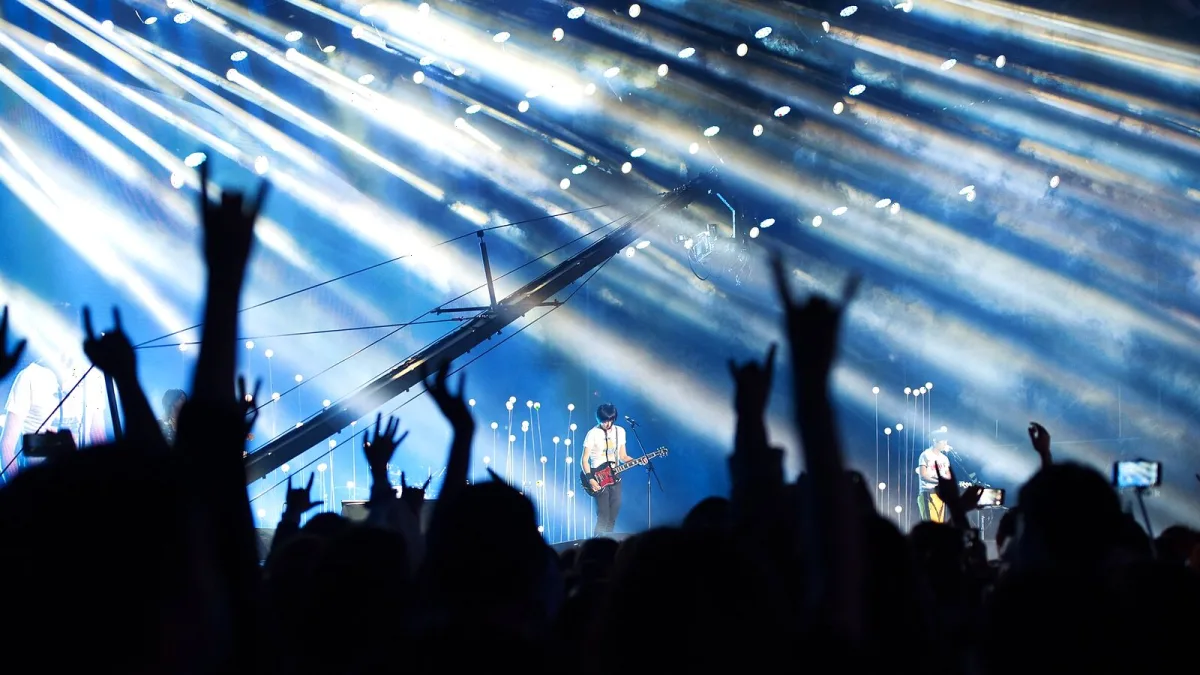
Here’s a funny thing about classic rock: it never actually left. Walk into any pub with a decent jukebox, any wedding dance floor at eleven o’clock, any long drive with the windows down, and these songs are still doing exactly the job they did fifty years ago. This isn’t a chart snapshot — it’s the songs that keep earning their spot, decade after decade.
The Songs Everyone Already Knows, and Why They Still Work
Some tracks are so embedded in the culture you forget to actually listen to them properly. “Stairway to Heaven”, from Led Zeppelin IV (1971), builds so patiently from acoustic guitar to full band that it’s worth hearing with fresh ears, headphones on, no distractions. “Bohemian Rhapsody”, from Queen’s A Night at the Opera (1975), still catches new listeners off guard with how genuinely strange its structure is — there’s no chorus repeating three times here, just one enormous six-minute idea. And “Hotel California”, the title track from the Eagles’ 1976 album, earns its reputation on that closing guitar duel alone.
The One That Deserves More Credit
Everyone talks about the obvious anthems. Fewer people give proper credit to “Whipping Post”, the Allman Brothers Band’s track from their landmark live album At Fillmore East (1971). On record it’s tight. Live, it stretches out past twenty minutes, with two guitarists genuinely improvising off each other in real time. It’s the underdog of this list, and it deserves a far bigger audience than it gets. For more names in this vein, the artists worth knowing covers the band properly.
Songs Carried By the Rhythm Section
Guitarists get all the glory, but plenty of these songs live or die on the bass and drums underneath. “Money”, from Pink Floyd’s The Dark Side of the Moon (1973), is built entirely around an odd, lopsided bass riff that somehow still grooves. Cream’s “Sunshine of Your Love”, from Disraeli Gears (1967), works because the whole trio — not just Eric Clapton’s guitar — locks together so tightly. Listen underneath the melody on both of these and a completely different song reveals itself.
Songs Built on One Killer Riff
Some of the biggest songs here are really just one unforgettable riff, dressed up brilliantly:
- “Smoke on the Water” — Deep Purple, Machine Head (1972). Four notes, instantly recognisable anywhere on earth.
- “Paranoid” — Black Sabbath, from the album of the same name (1970). Fast, dark, and barely over two and a half minutes.
- “Purple Haze” — The Jimi Hendrix Experience, Are You Experienced (1967). A riff that still sounds like it’s from the future.
- “Whole Lotta Love” — Led Zeppelin, Led Zeppelin II (1969). The riff that launched a thousand rock radio idents.
If riffs are what pull you in, the different strands of the genre is a good next stop — it explains why a Sabbath riff and a Hendrix riff sit so far apart despite falling under the same broad umbrella.
Songs That Reward a Whole-Album Listen
Some of these tracks are actually better understood in context. “Light My Fire”, from The Doors’ self-titled 1967 debut, hits differently once you’ve heard the organ-led mood of the record around it. “Baba O’Riley”, opening The Who’s Who’s Next (1971), sets up an album that never quite lets go of that energy. “Proud Mary”, from Creedence Clearwater Revival’s Bayou Country (1969), and “Sympathy for the Devil”, opening The Rolling Stones’ Beggars Banquet (1968), work the same way. For the full records these come from, the essential albums explained is where to go next.
Where to Actually Hear Them Properly
Streaming is fine for discovery, but nothing beats hearing these songs done loud. Classic rock tribute nights are still a genuine fixture on the small-venue circuit in most UK cities, and a decent local AOR or classic rock radio station will still play most of this list in heavy rotation. There is something about hearing “Free Bird”, from Lynyrd Skynyrd’s 1973 debut, in a room full of people who all know exactly when the tempo is about to change. No algorithm replicates that.
Bottom Line
These songs are not on this list because of nostalgia. They’re here because they still land, right now, whenever you actually press play. New to all of this? Start here for a gentler way in, or go back to the wider picture of what classic rock actually covers if you want the full context behind every name above.




Comments