


Classic Rock article
A Beginner's Guide to Classic Rock
What the term classic rock really covers, where the sound came from, and the names, strands and records worth knowing before you dig deeper.
Ask five people to define classic rock and you will get five slightly different answers — a decade, a sound, a radio station your dad had preset. All of them are a bit right. This guide sets out, plainly and without the jargon, what the term actually covers, where the sound came from, and which names and records are worth your time first.
What People Actually Mean By “Classic Rock”
Here is the slightly awkward truth: the term was never one tidy genre with a rulebook. It is a radio format as much as a style of music — a way of grouping older, popular rock recordings so a station could promise listeners a familiar, dependable sound. The branding took hold in the United States in the early 1980s, with a Cleveland station reportedly using the phrase as its identity in 1980, and the name stuck because it was useful, not because a committee of musicologists agreed on it.
In practice, most people use it to mean influential rock made from the mid-1960s through the late 1970s, with plenty of stations happily stretching the net into the 1980s. Think of it less as a genre with hard edges and more as a canon — a shared shortlist that radio, and later streaming playlists, built up over decades.
Where the Sound Came From
Nothing here arrived out of nowhere. Underneath it all sits American blues and rhythm and blues, 1950s rock & roll, gospel and soul, and a fair bit of jazz and classical ambition in its more adventurous corners. British bands such as The Beatles, The Rolling Stones and Cream grew up worshipping American blues records, then reworked them for a rapidly expanding audience of young fans on both sides of the Atlantic.
The turning point was the album itself. Through the late 1960s, musicians started writing more of their own material, multitrack recording opened up far more ambitious arrangements, and the LP overtook the single as the thing that mattered. Records like Sgt. Pepper’s Lonely Hearts Club Band (1967) and Are You Experienced (1967) show that shift happening in real time. If you want the full timeline of how that unfolded decade by decade, this genre’s history goes into it properly.
What You’re Actually Hearing
Strip away the eras and the arguments, and a handful of ingredients turn up again and again:
- The riff — a short, repeated guitar phrase that often is the song, from the blues shuffle of The Rolling Stones to the heavier, lower-register riffs of Black Sabbath.
- A driving rhythm section — bass and drums built to fill a room, with plenty of weight and dynamic contrast.
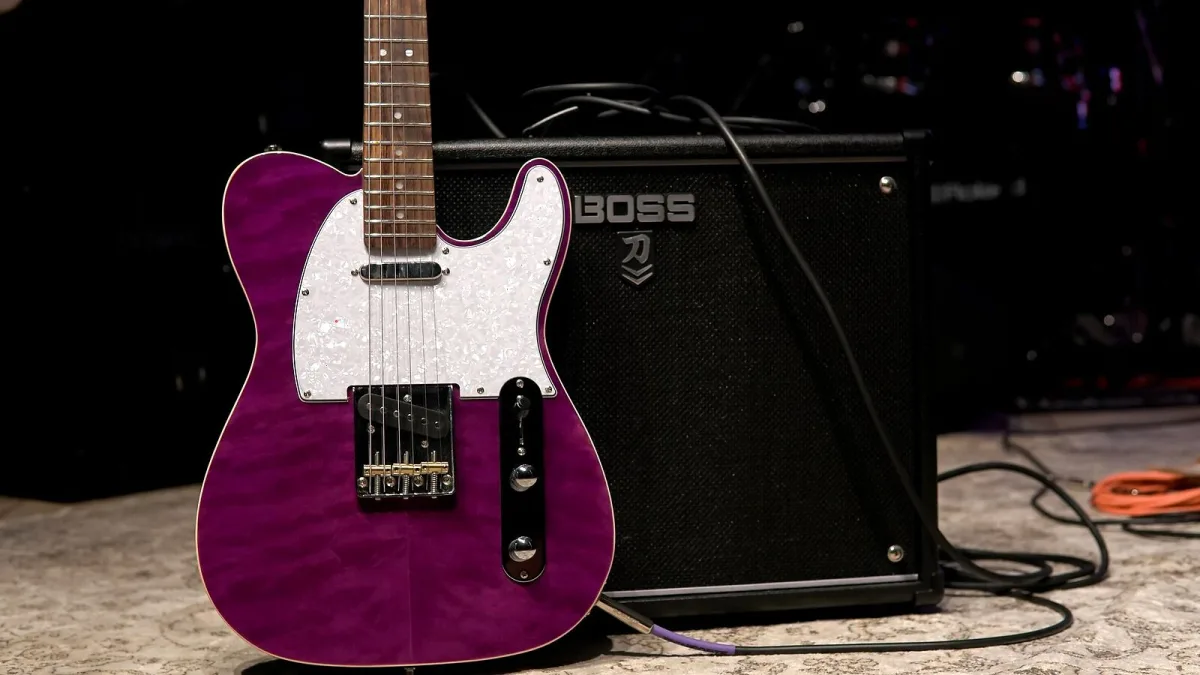
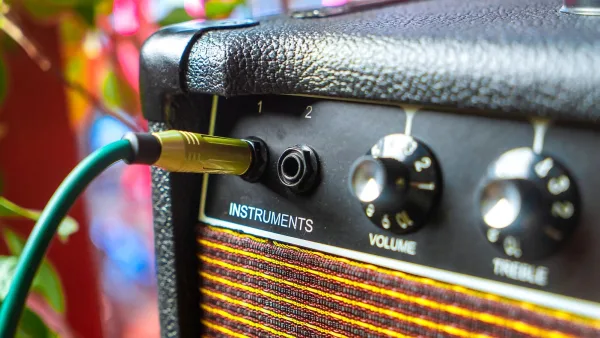
- Guitar tone — usually a Gibson Les Paul or Fender Stratocaster pushed through a Marshall or Fender valve amplifier until it starts to break up.
- Room and space — reverb, tape saturation and stereo placement that make records feel bigger than four musicians in a studio.
None of that needs expensive gear to appreciate, but it helps to know what you are listening for. Notice the riff first, then the rhythm underneath it, and the picture tends to click into place.
The Main Strands
Once you accept that this is a canon rather than a single genre, its variety makes far more sense. A few strands worth knowing:
- British blues rock — the Stones, Cream and early Fleetwood Mac, built directly on American blues.
- Hard rock — Led Zeppelin, Deep Purple and Black Sabbath, leaning on heavier riffs and louder amplifiers.
- Progressive rock — Pink Floyd and Genesis, chasing concept albums and longer forms.
- Southern rock — Lynyrd Skynyrd and the Allman Brothers Band, rooted in country and blues.
- Arena rock — Queen, Fleetwood Mac and the Eagles, built for polish and big rooms.
Each of these has enough going on to fill an article of its own, and how those styles actually differ from each other is worth a proper look once you have the basics down.
A Handful of Names Worth Knowing
You cannot get far here without meeting The Beatles, The Rolling Stones, The Who, Led Zeppelin, Pink Floyd, Queen and Fleetwood Mac. Beyond the obvious names, Jimi Hendrix, Creedence Clearwater Revival and The Doors are just as central, each bringing something the others did not. Worth flagging honestly: the format built its canon around mostly white, mostly male, English-language guitar bands, so plenty of important artists sit outside its usual playlists even though their fingerprints are all over the sound. Who shaped it, and why covers that in far more depth.
Landmark Albums, in Brief
If you only remember a handful of classic rock records, make it these: Led Zeppelin IV (1971), The Dark Side of the Moon (1973), Who’s Next (1971), Rumours (1977) and At Fillmore East (1971), the Allman Brothers Band’s towering live album. None of these are obscure choices — they are landmark records precisely because so many people already agree on them. Why each one earned its place is worth reading track by track, and the songs that still define the genre narrows things down to individual tracks if a whole album feels like too much of a commitment on a first listen.
Why It Refuses to Go Away
Classic rock survives because it did the groundwork for so much that followed — heavy metal, arena rock, alternative rock and plenty of guitar music being made today all trace a line back to it. That is really the honest answer to “why does my local radio station still play this stuff”: it is not nostalgia alone, it is that the songwriting and the sound genuinely hold up.
If all of this has you curious but slightly overwhelmed, that is completely normal. A gentler, no-pressure way in exists for exactly that feeling. Either way, the best move is the simple one: press play on one of the records above and let the riff do the rest.





Comments