


Classic Rock article
Essential Classic Rock Albums Explained
The albums, not just the singles: six essentials, one pick from every subgenre, and honest advice on how to actually listen to them.
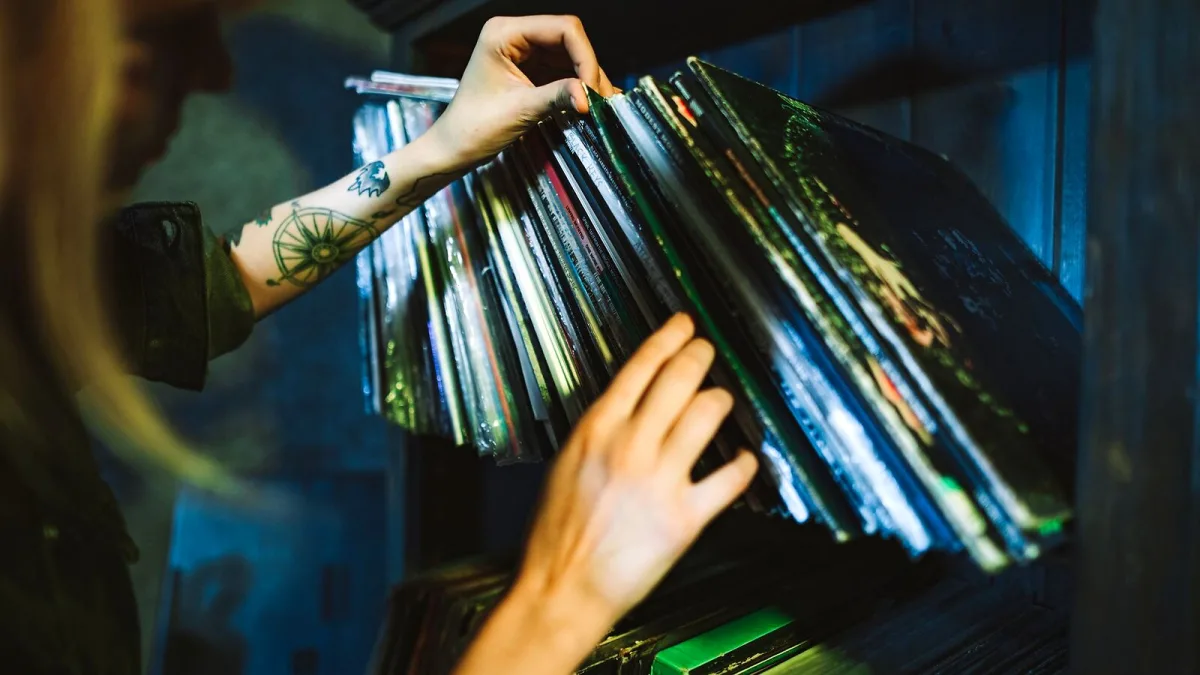
Songs come and go on a playlist. Albums are where classic rock actually lives. These are the essential classic rock albums that hold up start to finish, not just the single everyone knows — and here’s exactly why each one earned its place.
Why the Album Is the Unit That Matters
By the late 1960s, bands stopped treating albums as a container for one hit and some filler. Multitrack recording let arrangements get properly ambitious. Musicians started writing all their own material. The LP became the artistic statement, not the single. That shift is why this genre gets judged album by album, not track by track. If you want that story in full, the history behind it lays out exactly how it happened.
The Essentials
Six records. No filler. Start with any of these and you will not regret it.
| Album | Artist | Year | Why it matters |
|---|---|---|---|
| Led Zeppelin IV | Led Zeppelin | 1971 | Heavy riffs and acoustic light and shade, side by side |
| The Dark Side of the Moon | Pink Floyd | 1973 | A concept album that actually sounds like one continuous idea |
| Who’s Next | The Who | 1971 | Power-chord songwriting with real emotional weight behind it |
| Rumours | Fleetwood Mac | 1977 | Studio polish that never once loses the feeling |
| At Fillmore East | The Allman Brothers Band | 1971 | Live improvisation, two guitars talking to each other |
| A Night at the Opera | Queen | 1975 | Hard rock and vocal theatre, fused without apology |
Every one of these is a genuine classic rock album, not a compromise pick to fill a list.
One From Each Strand
This genre isn’t one sound. It’s several, stitched together by radio. Pick the one that matches the mood you’re after:
- Hard rock — Machine Head (1972), Deep Purple. Riffs first, questions later.
- Psychedelic — Are You Experienced (1967), The Jimi Hendrix Experience. Guitar as a special effect.
- Southern rock — Lynyrd Skynyrd’s self-titled debut (1973). Storytelling with a Southern accent.
- Progressive rock — Meddle (1971), Pink Floyd. Long-form ideas before Dark Side made them famous.
- British blues rock — Beggars Banquet (1968), The Rolling Stones. Where the whole thing started, honestly.
Want the full map of how those strands connect? Every subgenre, properly explained is exactly that.
Worth Digging Into Once You’re Hooked
Once the big six click, don’t stop there. Cream’s Disraeli Gears (1967) is a masterclass in a three-piece band sounding enormous. Creedence Clearwater Revival’s Cosmo’s Factory (1970) is tight, no-nonsense songwriting with zero wasted seconds. The Doors’ L.A. Woman (1971) is darker and looser than their debut, and just as essential. None of these are deep cuts for completionists only — they’re proper classic rock albums that happen to sit one rung below the very top tier.
What Doesn’t Make the Cut, and Why
Every “best of” list gets challenged, so here’s the actual criteria: an album has to hold up as a full listen, not just carry one huge single. That’s why a genuinely great song doesn’t automatically buy its parent album a place here. It also means this list isn’t ranked by sales or chart position — some of the biggest-selling classic rock records of all time are missing simply because, played end to end, they don’t match the six above for consistency.
How to Actually Listen to These
Whole album, front to back, no skipping. That’s the only rule. These records were sequenced on purpose — side one building to side two, quiet tracks setting up loud ones. Streaming a shuffled playlist misses the entire point of why they’re considered essential in the first place. Put one on, start to finish, before you decide what you think.
Format matters less than people think. A decent remaster on streaming will get you ninety per cent of the way there. Vinyl adds ritual — getting up to flip the record roughly matches where these albums were built to pause and breathe — but it’s a bonus, not a requirement. Don’t let hunting down an original pressing become the thing that stops you actually pressing play.
Bottom Line
Eleven albums, one clear message: this genre was built by people obsessed with the album as a format, not the three-minute single. Start with the big six, work outward from there. Want the songs instead? The tracks that still define the genre is your shortcut. Want the names behind the records? The artists worth knowing covers that properly. And if all this still feels like a lot, start here instead — it’s built for exactly that.




Comments