


Classic Rock roundup
The Best Classic Rock Artists to Know
No fifty-deep countdown — just the classic rock artists worth your time, grouped by strand, with one record apiece to start with.
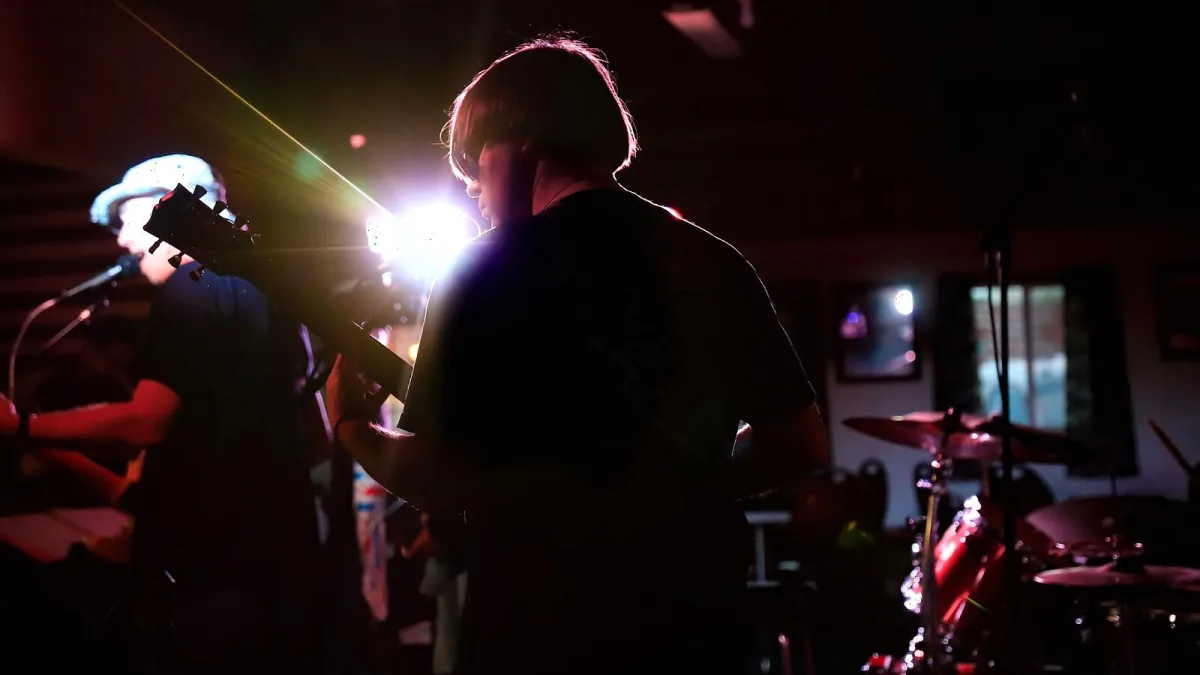
Forget the history lesson for a minute. This is about the bands themselves — who actually made classic rock worth caring about, grouped by what they did best, with one record apiece to start you off. No filler, no fifty-deep list padding out the numbers, and nothing here that isn’t genuinely worth your time.
The Titans
Every conversation about this genre starts here, whether you like it or not.
| Artist | Why they matter | Start with |
|---|---|---|
| The Beatles | Rewrote what a studio album could be | Revolver (1966) |
| The Rolling Stones | Blues swagger, never once softened for radio | Beggars Banquet (1968) |
| The Who | Power chords and rock-opera ambition in equal measure | Who’s Next (1971) |
| Led Zeppelin | Heavy riffs met acoustic light and shade | Led Zeppelin IV (1971) |
| Pink Floyd | Turned the album into a full atmosphere | The Dark Side of the Moon (1973) |
| Queen | Hard rock crossed with theatrical vocal stacking | A Night at the Opera (1975) |
Six names, six completely different reasons to listen. That’s the point — nobody agrees on classic rock because it was never one sound to begin with. What the term actually covers lays that out properly if you want the fuller picture.
The Riff Merchants
Where the sound gets heavier and the amplifiers get louder. This is the corner of classic rock that eventually splits off into hard rock and heavy metal outright, so it’s worth knowing the names that started it.
- Black Sabbath — dark, low-tuned riffs that basically invented heavy metal by accident. Start with Paranoid (1970).
- Deep Purple — Hammond organ trading blows with distorted guitar. Start with Machine Head (1972).
- Led Zeppelin — already covered above, but worth repeating: nobody wrote a heavier riff and made it swing.
This is the strand that runs straight into hard rock and metal. The full subgenre breakdown shows exactly where those lines get drawn.
The Roots Crowd
Blues, country and gospel, played loud and unapologetically American. Less concerned with concept albums, more concerned with a song that actually goes somewhere.
- Creedence Clearwater Revival — tight, no-nonsense songwriting, swamp-rock groove. Start with Cosmo’s Factory (1970).
- Lynyrd Skynyrd — triple-guitar harmony and proper Southern storytelling. Start with their self-titled 1973 debut.
- The Allman Brothers Band — two lead guitars improvising off each other live. Start with At Fillmore East (1971).
The Studio Auteurs
Less about volume, more about craft. Fleetwood Mac and the Eagles both turned polish into a genuine artistic strength, not a compromise. Rumours (1977) and Hotel California (1976) are the obvious starting points, and both records are proof that this style of songwriting could be immaculately produced and still hit hard emotionally. Neither band needed volume to make a statement — harmony vocals, close arrangement and a producer’s ear did the heavy lifting instead.
Live vs. Studio: Which Version Should You Hear First
Not every name here is best heard the same way. The Allman Brothers Band made their reputation on stage, so At Fillmore East beats any of their studio records as a first listen — two lead guitars stretching a song out well past its written length. Compare that with Pink Floyd or Fleetwood Mac, where the studio recording is the definitive version, built layer by layer in a way no stage setup could reproduce live. Knowing which camp a band falls into saves you picking the wrong record first.
The Wildcards
The ones who don’t sit neatly in any of the above boxes.
- Jimi Hendrix — rewired what an electric guitar was allowed to do. Start with Are You Experienced (1967).
- Cream — a power trio built on blues improvisation and Eric Clapton’s playing. Start with Disraeli Gears (1967).
- The Doors — organ-led, theatrical, unmistakably strange. Start with their self-titled 1967 debut.
Who’s Missing From the Official List
Straight talk: this shortlist skews male, English-language and guitar-first, because that’s what album-oriented radio chose to keep playing decades ago. Plenty of women artists and Black musicians shaped this sound just as directly and rarely get the same rotation. Worth knowing before you treat any “classic rock” list, including this one, as the complete picture. The full history goes into exactly how that gap happened.
Bottom Line
Sixteen names, six start-here albums, no wasted words. That’s a proper working shortlist of classic rock artists, not an exhaustive one — pick whichever box above sounds most like what you’re after and go straight to the record listed. If you want the songs rather than whole albums, the tracks that still define the genre is the faster route in, and a proper album-by-album breakdown is there for when you want the full story behind each choice. New to all this? Start here instead.




Comments