


Breakbeat article
Essential Breakbeat Albums Explained
These are the records where rhythm, culture and moment aligned. Each essential breakbeat album here represents a distinct chapter in what the music became.
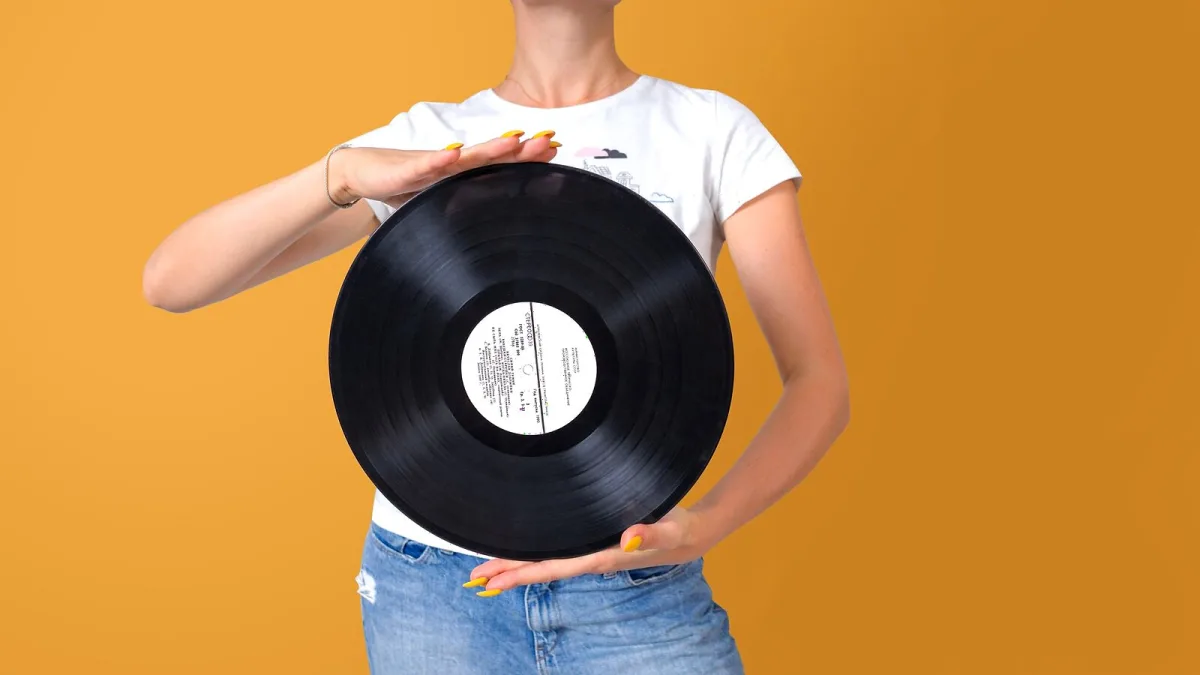
The essential albums in the breakbeat tradition are records that either invented something or perfected it — records where the rhythm, the culture and the moment aligned. This isn't a streaming playlist sorted by numbers; it's a reading of music that tells a story about where an idea came from, how it travelled and where it ended up. Each album here represents a distinct chapter.
DJ Shadow — Endtroducing..... (1996)
If there is one album that proved what breakbeat production could become as an art form, this is it. Josh Davis constructed the entire record from sampled fragments — drum loops, record scratches, orchestral snatches — without a single original instrument. The result is not a technical exercise. It is a deeply emotional, cinematic record that feels like memory, like something half-remembered. It is also a masterclass in how a chopped rhythm creates atmosphere rather than just propulsion.
The Chemical Brothers — Dig Your Own Hole (1997)
By the time this came out, big beat was the most commercially exciting thing in British music, and "Block Rockin' Beats" was the sound of the summer. Tom Rowlands and Ed Simons understood that big beat had to be physical — not clever, physical. The record's drum work is a lesson in how to make a breakbeat sound enormous: distortion, compression, layered breaks and the absolute refusal to apologise for the noise. "Setting Sun," their collaboration with Noel Gallagher, wasn't just a crossover; it was a statement about where rock and electronic music met.
Goldie — Timeless (1995)
Goldie's debut is one of the most ambitious records drum & bass ever produced. "Timeless," the title track, runs for nearly twenty-two minutes in its album version — a proper sustained composition rather than a DJ tool or a single with a long edit. It draws on jazz, ambient music and the breakbeat hardcore tradition, using the looped and chopped break as a structural element rather than just a rhythm track. The rest of the album is nearly as strong. It is serious music that takes the breakbeat seriously.
Portishead — Dummy (1994)
Trip-hop belongs to the wider breakbeat family by virtue of its rhythmic DNA — slow, atmospheric, dependent on loops and samples — and Dummy is its definitive statement. Geoff Barrow's production is extraordinary: loops that feel worn and exhausted, samples placed with a film composer's ear for emotional effect. Beth Gibbons sings as if from a great distance. The record is anxious, beautiful and deeply strange. It won the Mercury Prize in 1995 and helped define a decade of British self-image.
Massive Attack — Blue Lines (1991)
The first Massive Attack album is a breakbeat record in the way trip-hop is a breakbeat genre: the rhythmic approach is clearly related, but deployed in service of something very different from the rave or the dancefloor. "Safe from Harm," "Unfinished Sympathy," "One Love" — these are fully realised songs that happen to be built on loops, samples and engineered drums. Blue Lines helped establish Bristol as one of the most distinctive musical environments in Britain and set a template for incorporating breakbeat production into mainstream songwriting.
Fatboy Slim — You've Come a Long Way, Baby (1998)
Norman Cook had been making music for a long time before this album landed, but this was the moment big beat became a genuine pop phenomenon. "The Rockafeller Skank" and "Praise You" are extraordinary constructions — built almost entirely from existing recordings, yet feeling completely original, packed with hooks and designed for maximum immediate physical response. Cook's technical skill is the kind that conceals itself. The record sounds effortless. It isn't.
LTJ Bukem — Logical Progressions (1996)
Not an artist album but a label compilation, and one of the most important documents of where drum & bass went after it left the rave. Bukem's Good Looking Records label pursued a more atmospheric, jazz-influenced strand of the music — liquid pads, saxophone samples, fast breaks running beneath something that felt closer to ambient music than to jungle. Logical Progressions assembled the best of that approach. It remains a remarkably coherent statement of what the music could be when it moved away from pure physical weight.
A Word on Listening Order
These albums reward listening as albums rather than as playlists. Shadow, Goldie and Portishead in particular are records that build over time — where the sequence of tracks and the transitions between sections matter. Putting them on shuffle strips out a lot of what makes them work. That's worth saying because streaming culture can make full-album listening feel like an event; with these records, it really is.
Start with Dummy if you want something you can play at any volume in any mood. Start with Endtroducing..... if you want to understand where sample-based music can reach. Start with Dig Your Own Hole if you want something that hits from the opening seconds and doesn't let up. All three are relatively easy listens that will give you a solid foundation for the rest.
Why These Albums Matter
Each of these records asks the same underlying question in a different way: what can you do with a looped, broken drum pattern? Shadow made it cinematic. Goldie made it ambitious. Portishead made it disquieting. The Chemicals made it heavy. Fatboy Slim made it joyful. That range is the breadth of the breakbeat tradition — and the reason the music still sounds fresh to new listeners decades on.
For the broader context around the genre, the history of breakbeat covers the full timeline. The artists behind these albums are profiled in the essential breakbeat artists. And if you want specific track recommendations, the best breakbeat songs is a good next step.






Comments