


Tuning Fork article
Tuning Fork for Beginners: A Complete Guide
A patient, step-by-step introduction to the tuning fork for absolute beginners, from your first tap to your first successfully matched pitch.
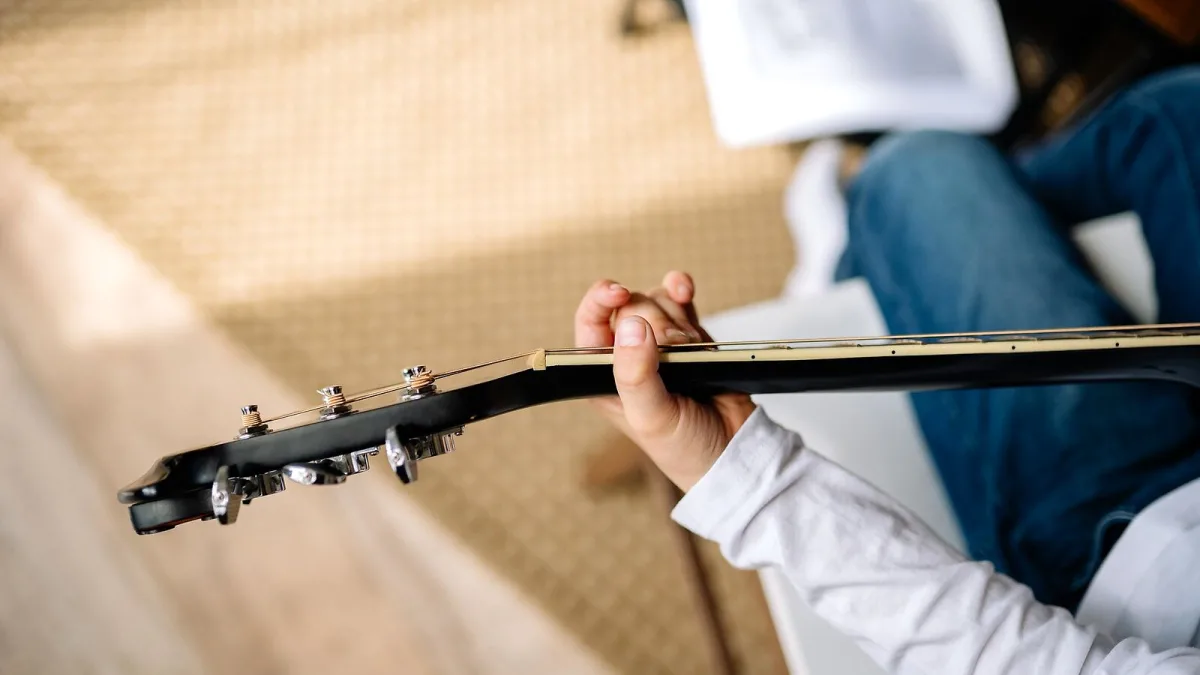
If you've never used a tuning fork before, it can feel like an oddly old-fashioned object to be handed in an age of tuner apps — a little two-pronged bit of metal with no screen, no lights, nothing to explain itself. That's actually its charm. Let's take it gently, one idea at a time, so it makes complete sense by the end.
A Quick Tuning Fork Primer
It's a metal object with two prongs, called tines, joined at a handle. When you strike one of the tines, it vibrates at a fixed, very steady rate, and that vibration is what you hear as a musical note. Most beginners will be given, or should buy, an A440 fork — meaning it rings at 440 vibrations per second, the standard pitch used for tuning most instruments today. You don't need to understand the physics to use it well, but it helps to know that number isn't arbitrary; it's simply the pitch nearly everyone else is also tuning to.
Your Very First Sound From It
Hold the fork gently by its stem, not by the two prongs, and tap one prong lightly against something firm but not made of metal — your knee works perfectly well. Don't be alarmed if it sounds quiet at first; that's completely normal. Touch the base of the stem against a resonant surface, like the body of a guitar or even a wooden table, and the sound will suddenly become much easier to hear. That jump in volume, the first time you notice it, is genuinely satisfying.
Learning to Hear a "Beat"
This is the one new skill it asks of you, and it's worth taking slowly. When you play a note on your instrument that's close to, but not exactly, the fork's pitch, you'll hear a strange wobbling or pulsing effect layered over the sound. That's called a beat. It isn't a fault or a mistake — it's simply what two very-nearly-matching pitches sound like together. As you adjust your instrument closer to the fork's note, the wobbling slows down. When it stops completely, you've matched the pitch.
Don't worry if you can't hear this clearly the first few times. It's a genuinely trainable skill, and most beginners notice a real improvement within just a few short practice sessions.
A Few Habits That Help It Click
- Practise in a quiet room. Beats are subtle at first, and background noise makes them much harder to notice.
- Compare short bursts of sound rather than trying to hold both notes in your head for ages — strike, listen, adjust, repeat.
- Always hold it by the stem. Touching the tines stops them vibrating properly and will only frustrate you.
- Be patient with your ear. This genuinely does improve with repetition; it isn't a talent some people simply have and others don't.
If You're Struggling to Hear Anything Useful
Two things solve almost every early problem. First, check you're actually coupling the fork's stem to something resonant — held in open air, it really is quite quiet, and that catches a lot of newcomers out. Second, slow everything down: strike the fork, let it ring for a second on its own, then play your note, rather than trying to do everything at once. There's no rush, and a slightly clumsy first few attempts are completely normal.
When You're Ready to Go Further
Once striking the fork and hearing a beat both feel comfortable, our full step-by-step setup guide takes you through tuning a whole guitar or a bowed string instrument from that one reference note. If you're thinking about buying your first fork rather than borrowing one, our buyer's guide explains what actually matters when you shop. And before you settle into your own routine, it's worth glancing at our list of common mistakes, so you can sidestep the ones that trip up almost every beginner.
The Bottom Line
It rewards patience far more than it demands skill. Take the first sessions slowly, trust that hearing a beat is a genuinely learnable thing, and don't expect perfection on day one. Most beginners find that within a week or two of short, regular practice, the whole process stops feeling strange and starts feeling like second nature.





Comments