


Tuning Fork roundup
Tuning Fork: A Complete Buyer's Guide
Everything worth knowing before buying a tuning fork, from picking the right pitch to spotting the difference between a musical and a medical one.
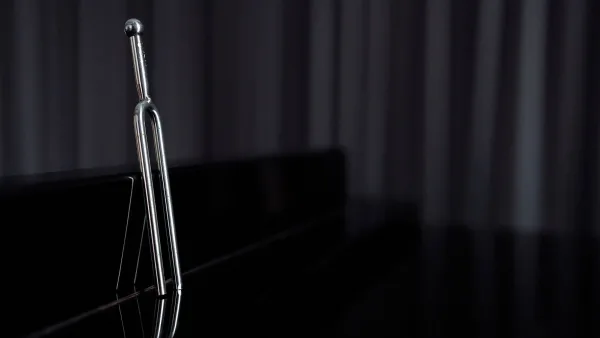
There's a little metal tuning fork that's lived in the bottom of my gig bag for years, long after every clip-on tuner I've owned has flattened its battery or gone walkabout. It's never once let me down, never needed charging, and still rings the exact same note it did the day I bought it. If you're thinking about picking one up, here's everything worth knowing before you spend a penny.
First, Decide What Pitch You Actually Need
For almost everyone, that's A440 — the modern standard reference pitch, the note A above middle C, ringing at 440 vibrations a second. It's what most instruments, teachers and recordings are built around, so unless you have a specific reason not to, start there. A few players do need something else: orchestral musicians occasionally tune a touch sharper, to A442, for a brighter sound, and anyone playing historically informed Baroque repertoire may want A415 instead. If neither of those means anything to you, you almost certainly want A440.
One Fork, or a Whole Chromatic Set?
A single A440 fork is genuinely all most people need — you tune one string or note to it, then work out the rest by ear or against your instrument's own intervals. A chromatic set, which gives you a fork for every note, is a lovely thing to own if you teach, do ear training, or need multiple reference pitches on the fly, but it's bulkier, pricier, and honestly more than most home players will ever use. Don't let a shop talk you into the full set if a single fork would do the job just as well.
Weighted or Standard?
Some forks come weighted or built to resonate more strongly, which makes them easier to hear, especially once you touch the stem to something like a guitar body or a tabletop and let the wood do the amplifying for you. A standard fork is quieter in the air but perfectly adequate held properly against a resonant surface. Neither is a wrong choice; it's really a question of how you like to work and how noisy your usual tuning environment tends to be.
Musical, Medical or Therapeutic Tuning Fork? Read the Label
This trips more people up than anything else on this list. Musical tuning forks are pitched to notes like A440. Medical forks, used in hearing tests, are pitched to clinical frequencies such as 128 or 256 Hz and are no use whatsoever for tuning an instrument. And then there are forks marketed for "sound healing" or wellness at frequencies like 432 Hz — a legitimate alternative musical tuning, but the broader therapeutic claims attached to it go well beyond what the evidence currently supports. Buy for the job you actually need, and don't assume a wellness shop's fork will tune your guitar.
Who to Buy From
Established names such as Wittner and D'Addario have been making reliable musical tuning forks for a long time, and both publish clear specifications for exactly which note or frequency you're getting — always worth checking before you buy, since a vague or unlabelled fork is a false economy. A higher price doesn't automatically mean a more accurate pitch, either; a clearly specified fork from a proper manufacturer will usually serve you just as well as a fancier one.
Little Things Worth Checking
- A readable stamp or marking showing the note and frequency, so you're never guessing which fork you've grabbed.
- A comfortable handle or stem that's easy to hold without touching the tines themselves.
- A small case, which protects the tines from the knocks that can throw off the pitch over time.
If you're brand new to all this and some of the terms above still feel a bit slippery, our beginner's guide walks through the basics far more gently than a buying checklist ever could. And once you've chosen one, our guide on setting up and using it will get you actually making sound.
What I'd Buy
Honestly? A single, clearly labelled A440 fork from a proper manufacturer, kept in its own little case in my gig bag, exactly like the one that's outlasted every gadget I've owned. It's not glamorous, but it's the kind of purchase you make once and never think about again — which, when you've been let down by enough dead batteries, starts to feel like the most reliable thing in the world. Our round-up of the best tuning forks for the money breaks that choice down further if you want it.




Comments