


Strobe Light article
Strobe Light for Beginners: A Complete Guide
A gentle, step-by-step introduction to using a strobe light for the first time, with the safety habits explained kindly rather than as a lecture.
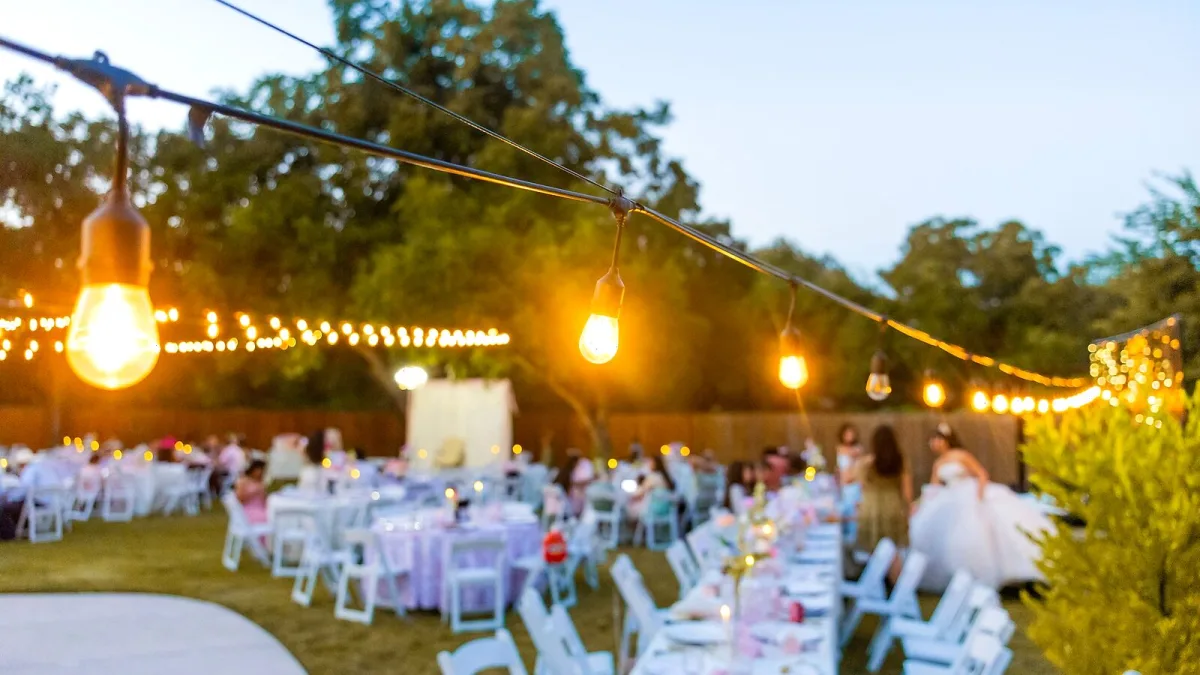
If someone's asked you to sort the lighting for a small gig or party and the words “strobe light” have made you a little nervous, take heart: it's genuinely one of the simplest bits of gear you'll ever use, and this guide will get you there gently, one step at a time.
What This Thing Actually Is, in Plain Terms
All it does is switch a bright light on and off very quickly, over and over. That's genuinely the whole trick behind the dramatic, freeze-frame look you see at gigs and parties — there's no hidden complexity waiting to catch you out once you understand that one idea.
The One Thing to Understand Before Anything Else
Flashing light can trigger seizures in people with photosensitive epilepsy, and can make plenty of other people feel uncomfortable, dizzy or a bit sick even if they're not photosensitive at all. This isn't meant to scare you off using one — it's meant to explain why the sensible habits in this guide exist, and why they're worth following properly rather than skipping.
Three Gentle Rules for a First-Time Setup
- Keep the flash rate low. Safety guidance from the BBC suggests no more than four flashes per second. Most beginner-friendly fixtures let you dial this down easily.
- Tell people beforehand. A quick word to guests, or a sign on the door, gives anyone sensitive the chance to avoid the room or step out if they need to.
- Know how to turn it off instantly. Before you switch it on for real, practise finding the off switch or blackout button without looking.
Do You Need DMX, or Will Simple Do?
For a first go, you honestly don't need to learn a lighting console. Plenty of beginner-friendly units have a simple sound-active mode, which reacts to the music automatically, or basic manual controls for speed and brightness. DMX control — the more advanced way of linking lights to a proper desk — is worth learning later, once you're comfortable running a strobe light on its own and want more precision.
Where to Put It
Higher up is generally safer and more effective than lower down: mount or place your strobe light above head height where possible, well away from stairs, doorways or anywhere someone startled might stumble. Point it toward open space rather than straight into anyone's eyes at close range, and give the room a test run with the lights off before guests arrive, so you know exactly what everyone will experience.
A Simple First Checklist
Before you switch it on for the first time in front of people:
- Set the flash rate low and test it in the empty room first.
- Put up a warning sign, or tell people directly as they arrive.
- Position the fixture safely, away from stairs and above head height.
- Find the off switch with your eyes shut, so your hand knows where to go under pressure.
- Only run it for short bursts rather than leaving it flashing continuously.
Common Beginner Worries, Answered Gently
“What if I set it wrong and someone has a bad reaction?” Keeping the flash rate low, warning people beforehand and knowing where the off switch is covers the great majority of sensible precaution — you're not expected to be a safety expert, just a thoughtful one.
“Do I need an expensive strobe light for a small party?” Not at all. A modest, beginner-friendly unit with simple controls does the job perfectly well for a first attempt; you can always upgrade later once you know what you actually want from it.
“What if I forget how to work it on the night?” Do a full practice run in an empty room beforehand, including finding the off switch without looking. Once you've done that once, it stops feeling unfamiliar.
You've Got This
Used thoughtfully, a strobe light is a lovely, simple way to add a bit of drama to a party or small show, and the safety habits above become second nature after your first couple of times. Once you're ready to go further, our full overview explains how the effect actually works in more depth, and our buyer's guide is there when you're ready to choose one properly. If you'd like to see options by budget, our round-up by price tier is a friendly next step, and it's well worth reading our common mistakes guide before your first proper go.





Comments