


Strobe Light article
Common Strobe Light Mistakes to Avoid
From no warning sign to no blackout button in reach: the recurring strobe light mistakes that are easy to avoid once you know to look for them.
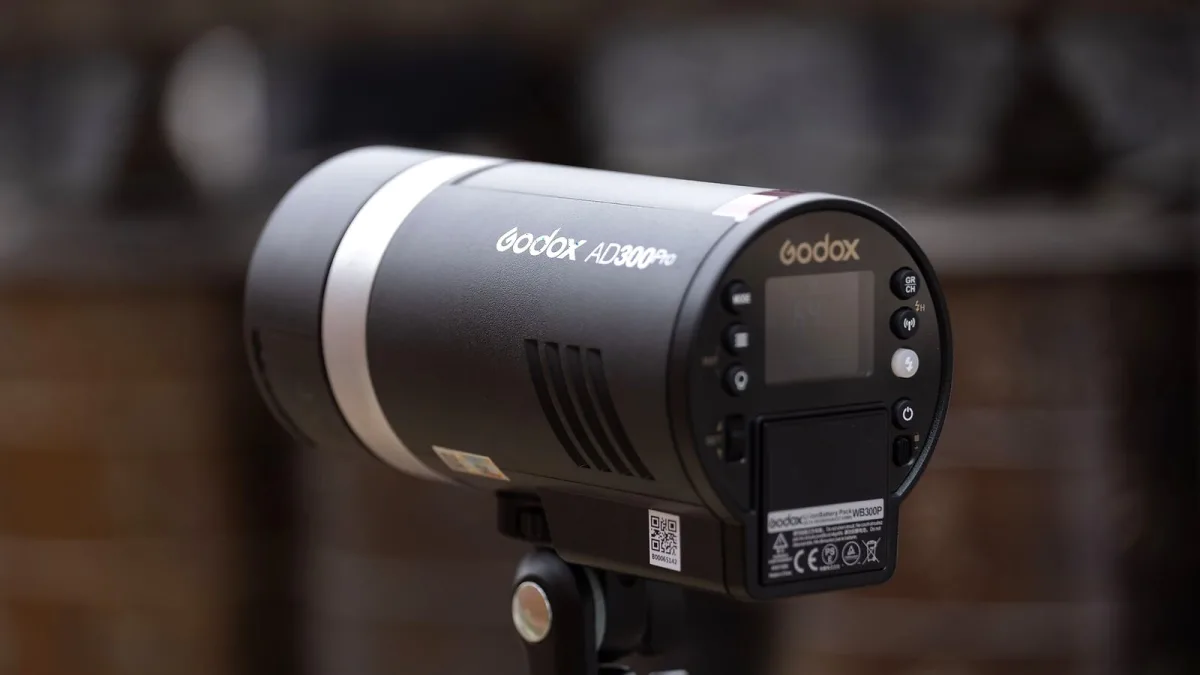
Most trouble with a strobe light comes down to a handful of avoidable habits rather than dodgy gear. Some of these are simple oversights; a couple are genuine safety issues worth taking seriously. Here's what actually goes wrong, most often, and the straightforward fix for each one.
Not Warning Anyone It's Coming
Flashing light can trigger seizures in people with photosensitive epilepsy and cause real discomfort or nausea in plenty of others. Running the effect with no warning, no sign, and no chance for anyone to leave the room first isn't an oversight you get to make twice — a quick word to guests or a note on the door takes thirty seconds and covers you properly.
Running the Flash Rate Too High
Cranking a fixture to its maximum rate might look more dramatic on a phone screen, but the BBC's safety guidance recommends staying at or below four flashes per second. That's a risk-reduction figure, not a magic number that guarantees safety on its own, so treat it as a ceiling to respect rather than a target to hit exactly.
Reaching for a Guitar-Amp Level of Enthusiasm
There's a temptation to run every effect at full intensity because it's available. A strobe light used sparingly, for a genuine climactic moment, lands far harder than one left flashing continuously through an entire set — and continuous long runs are exactly what safety guidance says to avoid.
Mounting It Somewhere Genuinely Dangerous
Placing a fixture near stairs, at a doorway, or low enough to catch someone directly in the eyes at close range is a bad habit that's easy to fall into when you're rigging in a hurry. Above head height, away from walkways, and never near steps — that's not fussiness, it's what happens when someone disoriented by flashing light needs to move safely.
No Blackout Button Within Reach
If something goes wrong — a guest reacts badly, a fixture misbehaves, anything at all — you need to be able to kill the effect immediately, not hunt through a menu or crawl under a table for the plug. Know exactly where your blackout control is before the show starts, every single time, even if you've run the same rig a hundred times before.
Confusing Sound-Active Mode for a Safety Feature
A sound-active strobe light reacting to the beat is convenient, but it isn't predictable, and unpredictable timing makes it much harder to audit for safety in advance. If you're running anything beyond a casual, low-key setup, a programmed DMX sequence you've actually tested beforehand beats letting the music decide on the night.
Assuming LED Is Automatically the "Safe" Option
LED fixtures having largely replaced older xenon tubes doesn't mean the flashing itself became less of a trigger for photosensitive epilepsy. LED gives you finer electronic control and lower running costs, not a free pass on the warnings, the flash-rate limit or the placement rules above.
Letting Multiple Fixtures Flash Out of Sync
One strobe light at a sensible rate is one thing; three or four flashing independently, out of time with each other, can add up to a far busier and more intense pattern than any single fixture is actually producing on its own. If you're running more than one, sync them through a console or master/slave setting rather than letting each one do its own thing.
Buying on Brightness Alone
A headline lumen figure tells you almost nothing about build quality, DMX flexibility or how the fan sounds after twenty minutes of continuous use. Chasing the biggest number on the box is how people end up with a strobe light that's technically bright and practically frustrating to run reliably.
Skipping a Proper Test Run
Firing up the effect for the first time with an audience already in the room is how avoidable problems become real ones. Test the sequence, the flash rate and the blackout control in an empty space beforehand, every time, even on a rig you know well.
The Bottom Line
Nearly all of this comes down to slowing down slightly before you switch anything on. If you haven't chosen a fixture yet, our buyer's guide covers what to look for, and our overview explains how these fixtures actually work if any of the terms above were unfamiliar. If you're brand new to this, see our beginner's guide first, and our round-up by price tier is worth a look once these habits are sorted.





Comments