


Subwoofer with Speaker article
The Ultimate Guide to Subwoofer with Speaker
Wiring a subwoofer in is the easy part — getting the crossover, level and phase right is what actually decides whether it disappears into the mix or sticks out like a sore thumb.
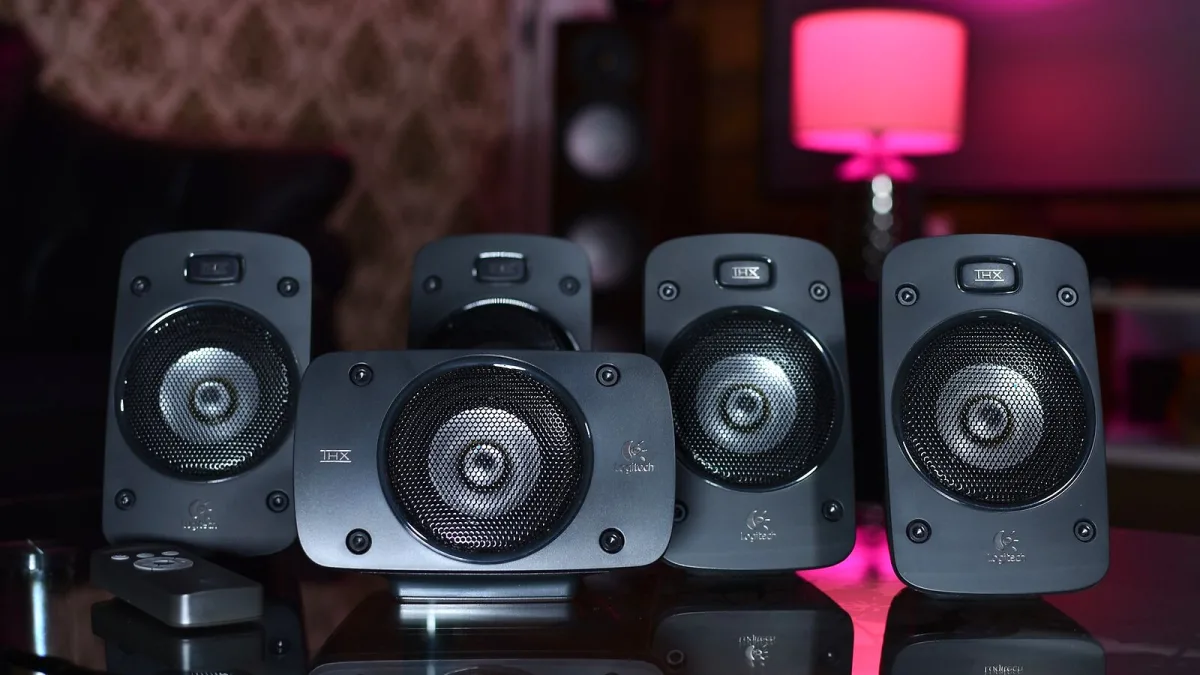
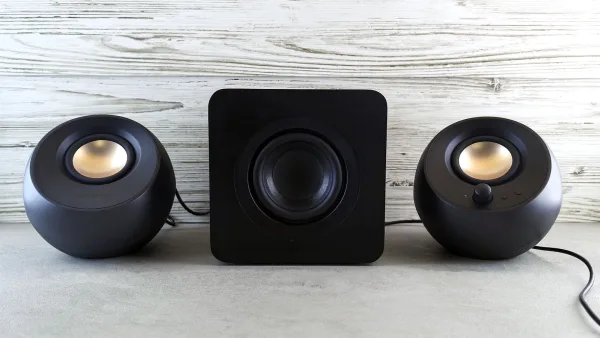
A subwoofer is a loudspeaker built for one job: shifting the low frequencies your main speakers can't move cleanly. Get the pairing right and a system gains real depth without anyone noticing where the bass is actually coming from. Get it wrong and you end up with a boomy corner, a hole in the midbass, or a box that seems to be playing a different song entirely. This guide walks through what it does, how to wire one in, and how to set the crossover, level and phase so speaker and sub work as a single system.
What a Subwoofer Adds That Your Speakers Can't
Every loudspeaker is limited by its cabinet volume, driver size and amplifier power. A small bookshelf speaker or a compact PA top can sound clean and detailed through the midrange, but ask it to move real low-end energy and the cone runs out of excursion, the amplifier runs out of headroom, or both at once. The subwoofer is built the other way round: a large driver, a purpose-built enclosure and an amplifier sized for shifting air, all aimed squarely at the bottom two or three octaves. Bring one in properly and your main speakers stop straining for bass they were never designed to produce, and get on with the job they're actually good at.
Subwoofer or LFE? Two Different Things
The terms get used loosely, but they're not the same. The subwoofer is the box; LFE — Low-Frequency Effects — is a dedicated bass channel baked into film and TV soundtracks, separate from the main channels entirely. On an AV receiver, the "subwoofer output" usually carries both: bass redirected from speakers set to "Small," plus the LFE channel on top of that. In a stereo rig with no receiver in the chain, there's no LFE at all — just the sub taking over the low end from whatever crossover point you've set.
How to Connect and Set Up a Subwoofer With Your Speakers
The order matters more than any single setting. Work through it in this sequence and you'll avoid most of the problems that send people back to the manual at midnight.
- Find your connection method. A receiver's dedicated subwoofer or LFE output, a stereo amplifier's subwoofer out, speaker-level inputs on the unit itself, or a manufacturer's wireless kit — check what your amplifier or receiver actually offers before buying any cable.
- Let one device own the crossover. If your receiver manages bass redirection, set the sub's own low-pass filter to LFE, bypass, or its highest position. Running two active crossovers in series is the single most common reason a subwoofer never quite sits right.
- Position it by ear, not by eye. Put the unit at your normal listening seat, play something with sustained bass, then walk the room's perimeter listening for where the low end sounds smoothest and most even. That spot — not the tidiest corner — is where it belongs.
- Set crossover, level and phase from the listening position, not from behind the cabinet itself (more on each below).
- Run room correction if your gear has it. It won't rescue a badly placed subwoofer, but it will smooth out the peaks and dips that even a good position can't fully avoid.
- Check the result on music you know well, then on a film or track with real low-end extension, before calling the job finished.
Crossover, Level and Phase, Explained
Crossover
The crossover sets the handover point between subwoofer and speakers. 80Hz is a common home-cinema starting point, but it isn't a rule — it depends on how low your main speakers reach cleanly and what filtering the receiver applies to them. For a stereo pair with no separate high-pass filter, a sensible starting point is roughly 10Hz above the speakers' usable low-frequency limit, adjusted by ear from there.
Level
Start conservative. Switch it off and on repeatedly on familiar material: it should add weight and extension, not announce itself. If you can point to exactly where the bass is coming from, the level — or the crossover point — is usually set too high.
Phase
Phase, often just a 0°/180° switch, determines whether the subwoofer's output reinforces or partially cancels the main speakers around the crossover point. Sit in your usual seat, flick between the two settings on a bass-heavy passage, and keep whichever sounds fuller and more coherent.
One Subwoofer or Two?
A single sub works fine in most rooms, but multiple seating positions often reveal a problem: bass that's strong in one chair and thin two feet away, caused by room modes rather than anything wrong with the equipment. Two subwoofers, sensibly positioned — opposite corners, or opposite mid-walls — spread those peaks and dips out, giving a far more even result across the room. It's a bigger outlay, so it's worth reading buying advice before committing to a specific box; our round-up of models by budget is a sensible place to compare tiers.
Music Systems vs Home Cinema
A two-channel music system generally wants the low end to disappear — seamless extension rather than obvious punch. A home cinema system usually needs more headroom, because film soundtracks can throw very low, very loud effects through the LFE channel that a music-only setup rarely encounters. Size the unit, and set its level, with that difference in mind rather than chasing one "correct" setting for every room.
The Bottom Line
It earns its place by disappearing into the system, not by being the loudest thing in the room. Get the connection right, let one device handle the crossover, place it by ear rather than by eye, and check phase and level from the seat you actually listen from. If you're weighing up which one to buy in the first place, our complete buyer's guide covers the specifications actually worth paying for. Newer to all this? Start with our beginner's guide for the simplified version of this same process. And if you'd rather sidestep the classic pitfalls entirely, we've catalogued them in the mistakes worth avoiding.





Comments