


Disco Lights roundup
Disco Lights: A Complete Buyer's Guide
No filler, just what matters: matching the light to the room, understanding control methods, and not falling for a big LED number on the box.
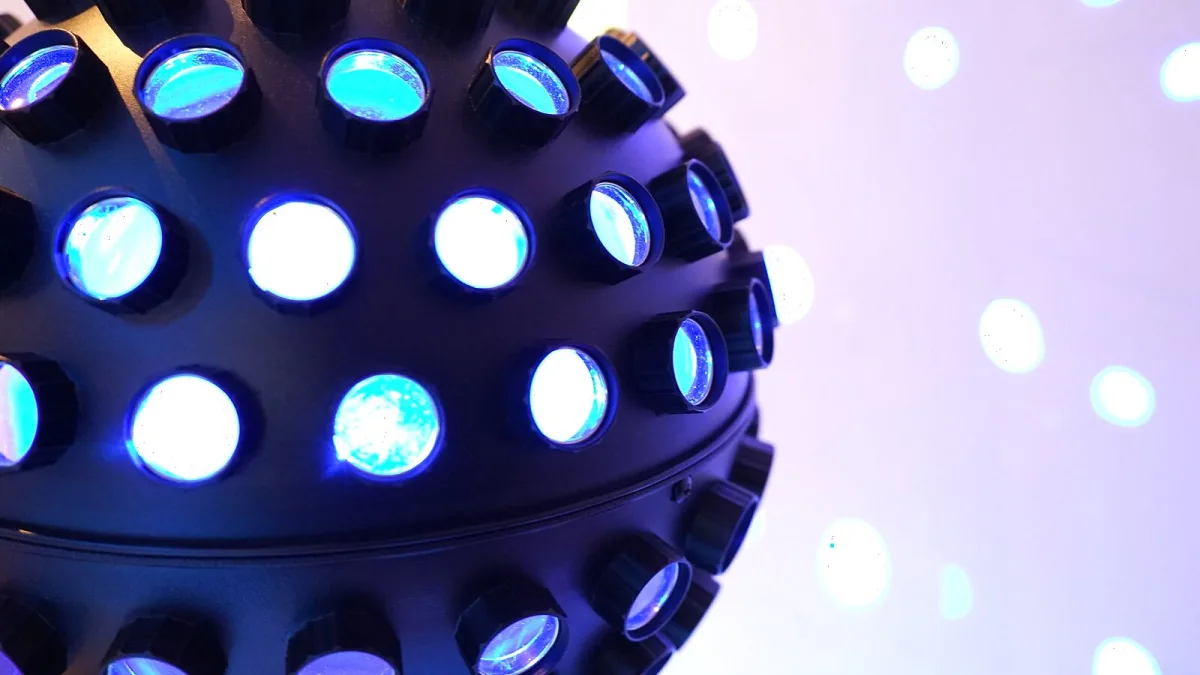
Right, let's cut through the marketing. Buying disco lights should not require a physics degree, but the category is a mess of overlapping terms and inflated spec sheets, so it is easy to end up with the wrong thing. Here is what actually matters, no filler.
Start With the Space You're Lighting
Before you look at a single product, be honest about the room your disco lights will actually work in. A living room or small function space needs something completely different from a mobile DJ rig or a proper club night. Buying for the wrong scale is the single most common mistake people make — either underpowered and disappointing, or a completely unnecessary rig sat in the corner of a lounge.
| Setting | What you actually need |
|---|---|
| Home party | One compact LED effect, maybe a wash light |
| Mobile DJ / small band | A mix of moving effects and wash fixtures, possibly DMX |
| Club or larger event | Multiple fixture types, proper rigging, DMX control |
Effect Type: Know What You're Actually Buying
The term “disco lights” gets slapped on everything, so learn to spot what you are really looking at. A rotating LED effect throws moving patterns and suits home use. Derby or moonflower fixtures fire multiple beams outward and can look cluttered if you buy too many. LED PARs give you a broad colour wash rather than movement. Moving-head fixtures — spot or wash — are the serious option: more expensive, more capable, and only worth it if you will actually use the extra control.
Control Method Matters More Than You'd Think
Do not skip past this bit. Sound-active mode reacts to a microphone picking up volume, not the actual structure of a track, so don't expect it to nail a drop. Automatic mode just runs built-in programs. Remote control gives you basic manual override. DMX is the proper professional standard, letting you control colour, movement and brightness precisely across every fixture — brilliant if you're serious, overkill if you just want something for the odd house party.
Brightness Isn't About the LED Count
Here is a genuinely useful bit of honesty: a spec sheet boasting about LED count means very little on its own. Optical design and beam angle determine how the light actually performs far more than raw numbers do. Do not choose based on that figure alone — if you can, look at real footage or reviews of the light in action before buying.
Mirror Ball or LED Effect?
If you want that unmistakable, classic disco look, nothing beats an actual mirror ball with a proper spotlight aimed at it — but remember, the ball itself is just reflective glass; it needs a light source and a secure, properly rated motor and mount. If you want something more flexible and self-contained, a modern LED effect gives you colour-changing patterns without any of the rigging hassle. Plenty of people end up with both.
Names You'll See While Shopping
You will bump into the same manufacturers again and again in this space: ADJ, Chauvet DJ, Eurolite, Martin, Elation, Cameo, Blizzard Lighting and American DJ. That is a fair starting shortlist across the DJ and stage-lighting market, but always check current specifications for the exact model, since individual products and ranges change often.
Don't Skip Safety and Mounting
Anything hung overhead — a mirror ball included — needs proper clamps, safety cables and a motor rated for the job. Never rely on an improvised hook or an adhesive strip; that is how accidents happen. Keep strobes and beams out of direct eye-level lines, and if you are anywhere near lasers, treat them as a specialist category with real regulatory limits, not just another party toy.
Before You Buy: The Checklist
- Have you matched the fixture type to the actual size of your space?
- Do you need DMX, or is sound-active or remote control genuinely enough?
- Have you checked real footage or reviews, not just the LED count?
- If it's going overhead, do you have proper rated mounting hardware?
- Have you checked venue rules if you plan to use haze, strobes or lasers?
Don't Forget the Extras
Haze or fog can transform a lighting rig from flat to genuinely dramatic, since beams only become properly visible once there is something in the air to scatter them — but it needs decent ventilation and, in a hired venue, sign-off first. Not every setup needs it. A small home party rarely does; a mobile rig or club night usually benefits.
Still Working Out What You Need?
If you want the full picture before you commit to anything, our overview of disco lights explains every fixture type properly. If you are setting up your very first light, our beginner's guide walks through it step by step, and our best disco lights for the money narrows it down by budget and use case.
The Bottom Line
Match the fixture to the room, understand what the control method actually gives you, and do not get seduced by a big LED number on the box. Get those three things right and you'll end up with lighting that genuinely does the job, instead of something gathering dust after one party.



Comments