


Podcast Mixer article
Podcast Mixing Board: A Complete Guide

Podcasting has evolved from hobbyist recording into a legitimate media industry, with production standards increasingly matching professional radio broadcasts. At the technical foundation of quality podcasting sits a mixing solution capable of managing multiple audio sources, processing sound clearly, and delivering finished recordings with professional polish. Understanding what distinguishes effective podcast mixers from generic audio interfaces, and which features genuinely matter for podcast production, helps creators build systems delivering listener-ready content without excessive complexity.
What Is a Podcast Mixer and Why Does It Matter?
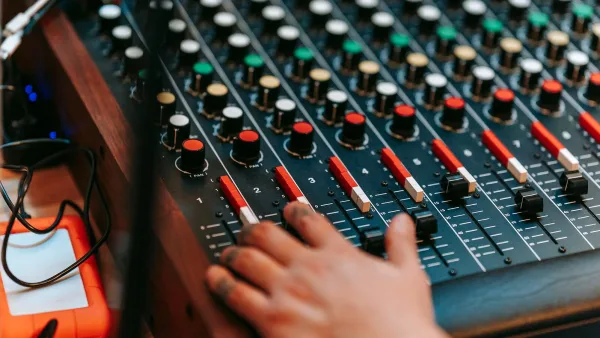
A podcast mixer combines audio inputs, applies processing, and manages signal levels, enabling producers to blend multiple microphones, music, and sound effects into cohesive, broadcast-ready recordings. Unlike traditional studio mixers designed for live reinforcement, podcast mixers emphasise ease of use, compact physical footprint, and features specifically serving content creation workflows.
Quality podcast production requires managing multiple audio sources simultaneously: host microphone, guest microphone via remote calls, background music, sound effects, and various monitoring feeds. Attempting this with basic audio interfaces requires extensive digital mixing during post-production. A dedicated podcast mixer handles many of these tasks in real time, significantly reducing editing workload.
Essential Features for Podcast Mixers
Professional podcast mixers share several characteristics distinguishing them from hobbyist or budget solutions:
| Feature | Purpose | Essential? |
|---|---|---|
| Multiple microphone inputs | Connect host and guest microphones simultaneously | Essential for multi-speaker shows |
| Built-in audio processing | Compression, EQ, and effects without post-production | Highly valuable for consistent audio quality |
| USB output to computer | Direct recording into editing software | Essential for digital workflow |
| Mixing faders with tactile feedback | Real-time level adjustment during recording | Valuable for dynamic content |
| Monitoring headphones output | Hear what's being recorded in real time | Essential for quality control |
| Remote caller integration | Accept audio from Skype, Zoom, or similar services | Important for interview shows |
Types of Podcast Mixing Solutions
Compact USB mixers connect directly to computers, offering 4–12 channels of mixing capability with built-in USB output. Models from Behringer, Soundcraft, and others provide affordable entry points for small podcast operations.
Podcast-specific devices like Rode Wireless GO, Shure MV88, and specialised interfaces combine microphone input, mixing capability, and recording into integrated solutions designed specifically for content creators.
Portable recorder/mixers like Zoom Podtrak and Tascam DR series offer standalone recording with mixing functionality, enabling recording anywhere without computer dependency.
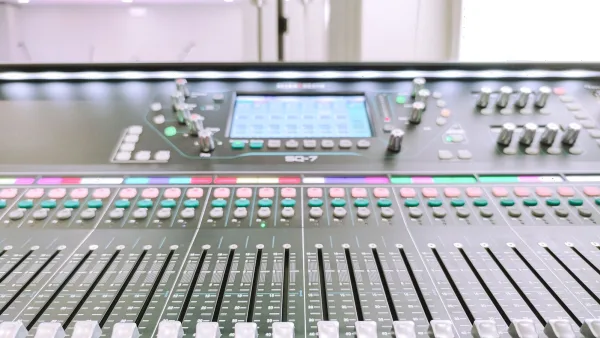
Broadcast mixing consoles provide professional-grade capability for high-budget productions, offering extensive processing, monitoring options, and reliability standards exceeding podcast requirements but providing maximum flexibility.
Key Considerations for Podcast Mixer Selection
Microphone count: Determine how many simultaneous sources you'll need. Solo podcasters need single microphone input; interview shows require host plus guest capability. Multi-host shows may need 4+ channels.
Processing capability: Built-in compression and EQ reduce post-production work. Expander gates automatically reduce background noise during quiet moments. Effects processing including reverb or echo adds production value.
Recording method: USB connection to computers enables software recording; standalone recording on SD cards provides independence from computer systems. Many modern mixers support both approaches.
Interface design: Physical faders provide tactile feedback for real-time mixing. Clear labelling and logical button placement reduce setup complexity. Compact designs appeal to mobile podcasters.
Practical Podcast Workflow with a Mixer
Effective use of podcast mixers requires developing consistent recording practices. Configure mixing levels before recording sessions, leaving headroom for unexpected loud passages. Use compression conservatively—over-compressed audio sounds unnatural and exhausting during long listening sessions. Apply subtle EQ to shape tones rather than aggressive frequency cuts.
Monitor through headphones during recording, listening critically for problems that can be corrected immediately rather than discovered during editing. This real-time quality control ensures recording sessions produce usable material minimising post-production workload.
Integration with Recording Software and Remote Services
Modern podcasts often feature remote guests connected via Skype, Zoom, or similar services. Quality mixers enable routing these remote audio sources alongside local microphones, allowing professional mixing of distributed participants. This approach produces cleaner final recordings than capturing all audio from single-device speakers.
Budget Considerations
Podcast mixers range from budget USB interfaces at £50–£150 through mid-range dedicated devices at £200–£500, up to professional broadcast consoles exceeding £2,000. For most independent podcast operations, £100–£300 investments in quality mid-range mixers provide excellent value, supporting growth without excessive capital expenditure.
Conclusion
A dedicated podcast mixer transforms content creation from technically demanding work into accessible production. Whether you're starting your first podcast or scaling an established show, selecting appropriate mixing capability matching your actual needs ensures broadcasts sound professional without excessive complexity. Invest in quality equipment from reputable manufacturers, learn your mixer's capabilities thoroughly, and develop consistent recording practices that maximise audio quality during sessions. With proper mixing tools and techniques, your podcast will sound like professional radio broadcasts rather than amateur recordings.



Comments