


Behringer Wing article
Common Behringer Wing Mistakes to Avoid
Most Behringer Wing problems aren't the console being awkward — they're old habits from a different kind of mixer. Here's what to fix first.
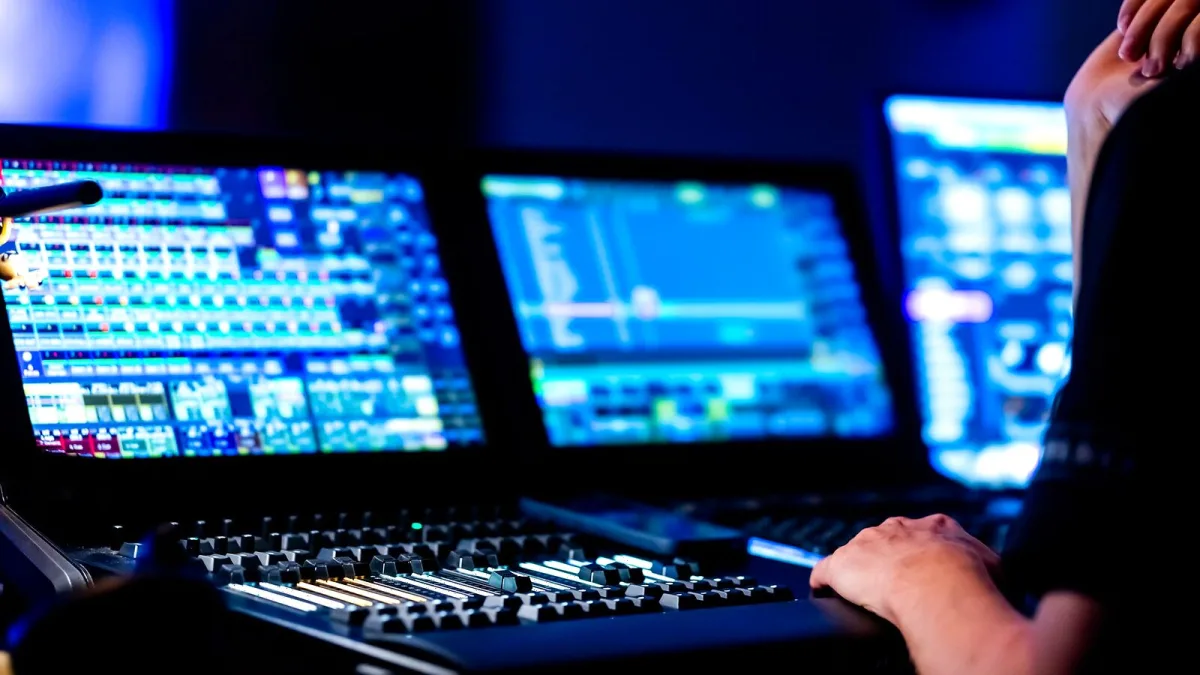
Most Behringer Wing problems I get asked about aren't the console being awkward — they're habits carried over from a different kind of mixer. Here's the list of mistakes I see most often, and the quick fix for each one.
Mistake 1: Skipping the Source-Naming Step
The single most common mistake. New owners assign inputs straight to channels without naming the underlying sources properly first, then wonder why nothing makes sense three shows later when they need to change something. Take the extra two minutes at the start of a session to name every source properly — "Lead Vox", not "Ch 1" — and the rest of the workflow stops feeling like a puzzle.
Mistake 2: Treating Sources and Channels as the Same Thing
This trips up anyone coming from a traditional desk. Unplugging and re-plugging a physical input doesn't automatically move your channel processing with it — you have to reassign the source to a channel deliberately. Forgetting this mid-show is how EQ and dynamics settings end up on the wrong instrument entirely.
Mistake 3: Ignoring Firmware Compatibility
Behringer ships separate firmware files for each Behringer Wing model — the full-size console, the Compact and the Rack. Loading the wrong file — or assuming any "Wing update" applies to your specific model — risks a failed update at best and a bricked session at worst. Always check the exact model before installing anything, and back up your show files first regardless.
Mistake 4: Under-Speccing the AES50 Network
- Using cheap, unshielded cable on long AES50 runs and getting intermittent dropouts.
- Assuming any stagebox will work without checking AES50 compatibility first.
- Not testing every port under full load before a real show, only at idle.
AES50 is reliable when it's respected and temperamental when it isn't. Test the whole chain — cable, stagebox, port — under real signal before you trust it live.
Mistake 5: Never Saving a Scene
It costs nothing and takes seconds, and yet it's the step people skip most. Save a scene the moment you reach a working state, and again after any significant change. The alternative is rebuilding a whole session from memory after one wrong tap — it happens more often than anyone likes to admit.
Mistake 6: Overloading Stereo Channels
This is a small habit that causes outsized headaches later on any Behringer Wing session.
Stereo channels are genuinely useful for keyboards, playback and stereo mics, but linking everything in sight for convenience removes the independent mono control you'll want later. Use stereo channels deliberately, for genuinely stereo sources, not as a shortcut to save channel count.
Mistake 7: Trusting Modelled Plug-Ins Blindly
The five plug-in slots per stereo channel on the full-size Wing and Compact are useful processing tools, but they're not a guarantee of a particular vintage sound just because the interface references one. Judge them on how they sound on your actual material, not on the name in the plug-in browser.
Mistake 8: Assuming Remote Control Means Redundancy
Something I see mostly on the Rack, but it applies to any networked Behringer Wing setup.
This one matters most on the Rack, which relies on a network connection for control. A working control link is not the same thing as a resilient one — if your network drops, you can lose the ability to adjust the mix even if audio keeps flowing. Test your control network's reliability before a show depends on it, not during one.
Quick Reference: The Fixes
| Mistake | Fix |
|---|---|
| Skipping source naming | Name every source before assigning channels |
| Confusing sources and channels | Reassign sources to channels deliberately when patching changes |
| Wrong firmware file | Confirm exact model before updating; back up first |
| Weak AES50 network | Use proper cable, test under full load beforehand |
| Not saving scenes | Save on every meaningful change, not just at the end |
| Overusing stereo channels | Reserve stereo linking for genuinely stereo sources |
| Blind trust in plug-ins | Judge by ear on your own material |
| No control-network testing | Test remote control reliability before you rely on it live |
The Bottom Line
Nearly every Behringer Wing mistake on this list comes from treating it like a familiar desk with an unfamiliar screen, rather than a genuinely different routing model underneath. Slow down on the source-naming step, respect the network, and save scenes obsessively, and most of these issues never happen to you at all. If you're still building the fundamentals, our beginner's guide covers the basics in the right order, and the full Wing explainer is worth a read once you want the fuller picture. Still deciding which model to buy? Our buyer's guide and roundup of the best Wings for the money will help you land on the right one first time.



Comments