


Analog Mixer roundup
Analog Mixer: A Complete Buyer's Guide
Buying an analog mixer means getting the channel count, preamp quality, and aux bus configuration right for your specific use case. Here's the no-nonsense breakdown of every decision that matters.
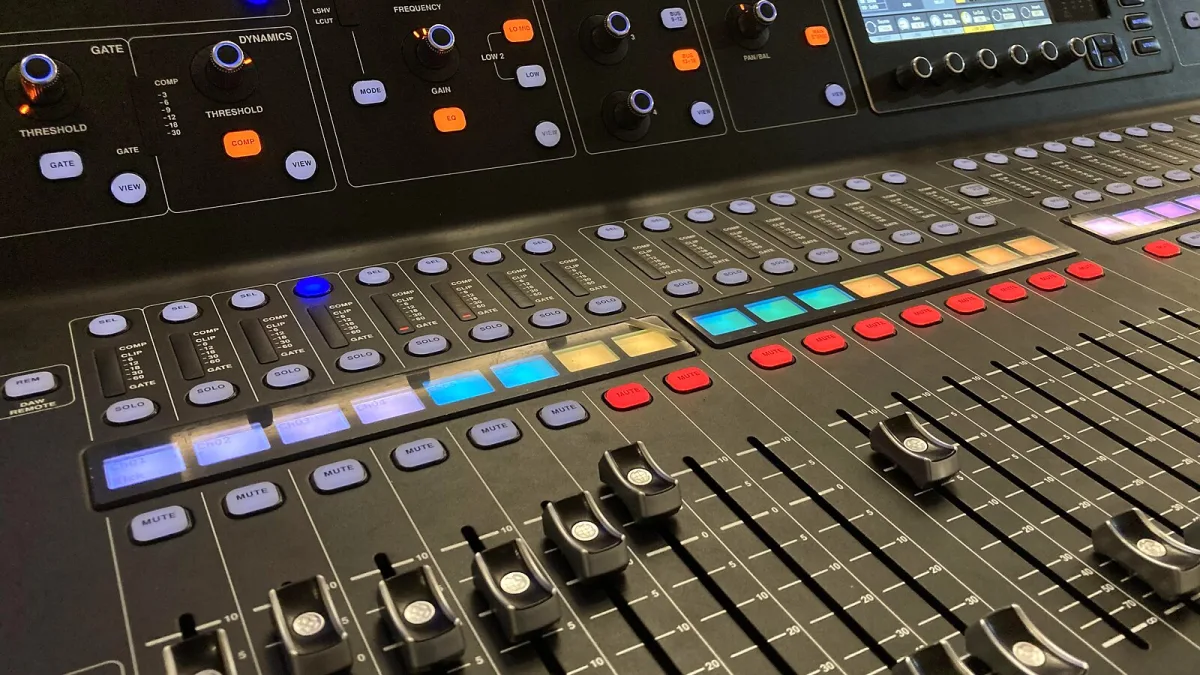
Buying an analog mixer is one of those decisions that sounds simpler than it is. There are dozens of models from a handful of reliable brands, and the differences between them matter a great deal depending on what you're using the desk for. This guide cuts through the noise and tells you what actually matters — so you can make a decision you won't regret six months in.
Start With the Channel Count
The number of channels is the first spec to nail down. Count every source you'll ever need to run simultaneously — microphones, DI'd instruments, returns from effects units, stereo playback devices — and add a few more for headroom. Buying an analog mixer with exactly the number of channels you need today means you'll be out of inputs by next year.
A rough guide: a small rehearsal band might get by on 8–12 channels; a gigging band covering vocals, guitar, bass, keys, and drums in a small venue will typically want 16; a medium venue or house of worship running a full production is looking at 24 or more. Don't cut corners here.
Preamp Quality
The preamp — the first stage of amplification for a microphone signal — has more impact on your sound than anything else in the signal chain. Budget analog mixers use cheaper preamp designs that introduce noise and colour the signal in ways you don't always want. Better preamps are quieter, more neutral, and handle dynamic range more gracefully.
This doesn't mean you need to spend a fortune. Yamaha's MG series preamps are a solid step above the cheapest options at a reasonable price. Allen & Heath's Zed range is consistently respected. What you want to avoid are the very cheapest no-name or heavily discounted desks where the preamps genuinely compromise your recordings or live mix.
EQ Options
Most analog mixers offer a three-band EQ per channel: high, mid, low. Better models add a sweepable mid — a mid-frequency band where you can choose the frequency as well as the level, which makes it dramatically more useful for fixing problem frequencies. If you're doing live sound for bands with any complexity, a sweepable mid is worth prioritising.
Some higher-end analog mixers include four-band EQ with two sweepable mids, offering serious surgical precision. This is more than most users need, but it's a genuine advantage in challenging acoustic environments.
Aux Buses: How Many Do You Need?
Aux buses are the secondary outputs that power your monitor mixes (the feeds going to the stage wedges or in-ear monitors). Every performer on stage typically wants their own mix — which means you need one aux bus per monitor mix. A four-piece band might want four discrete monitor mixes, which needs four aux buses. If the desk only offers two, someone is compromising.
Aux buses are also used for effects sends: you route signals to an external reverb or delay unit, then return the wet signal to the master. Count your monitor mixes and effects sends together when deciding how many aux buses you need.
Built-In Effects
Many mid-range analog mixers include a built-in effects processor — reverb, delay, chorus, and so on. This is genuinely useful and saves buying a separate effects unit. The quality varies considerably: some are fine for a small venue, others sound thin and processed. If built-in effects matter to you, listen to demos before you buy.
USB and Interface Connectivity
A growing number of analog mixers include a USB interface section, allowing you to record directly to a computer or stream audio via USB. This is genuinely handy for recording rehearsals, church services, or small venue shows without a separate audio interface. Some models offer a two-track stereo USB send (main mix only); better ones offer multitrack recording — separate channels recorded to your DAW simultaneously.
Build Quality and Form Factor
If the desk is going to move — into a gig bag, onto a stage, into a flight case — it needs to handle knocks and jostling. Metal chassis and solid knob construction matter. If it's going to live in a fixed position in a studio or installation, you can compromise slightly on ruggedisation in favour of features.
Rackmount versus desktop is another practical consideration. Many mid-format analog mixers are desktop designs with optional rack ears; some are dedicated rack units. Desktop works fine for most setups; rack mounting makes sense in a permanent installation or touring rack.
Reliable Brands to Know
- Yamaha: The MG series is reliable, well-priced, and widely used. A safe starting point for most buyers.
- Allen & Heath: The Zed series is a step up in preamp quality. Respected by professionals.
- Mackie: The ProFX series is durable and gig-ready with sensible feature sets for live use.
- Soundcraft: The Signature series offers good sonic performance for studios and live work.
- Behringer: The Xenyx series is affordable and functional; fine for rehearsals and practice, though preamp quality and build are a step below the above.
The Bottom Line
Buy slightly more desk than you think you need today, prioritise preamp quality over headline features, and stick to established brands. For specific model recommendations at each budget, see our guide to the best analog mixers for the money. If you want to understand what all the controls actually do before you commit, our analog mixer explained guide covers the full picture. Brand new to this? Start with the beginner's guide to analog mixers.




Comments