


Allen and Heath Mixer roundup
The Best Allen and Heath Mixers for the Money
There's no single best mixer here — only the right one for your gig. Here's the Allen & Heath range sorted by what you're actually doing.
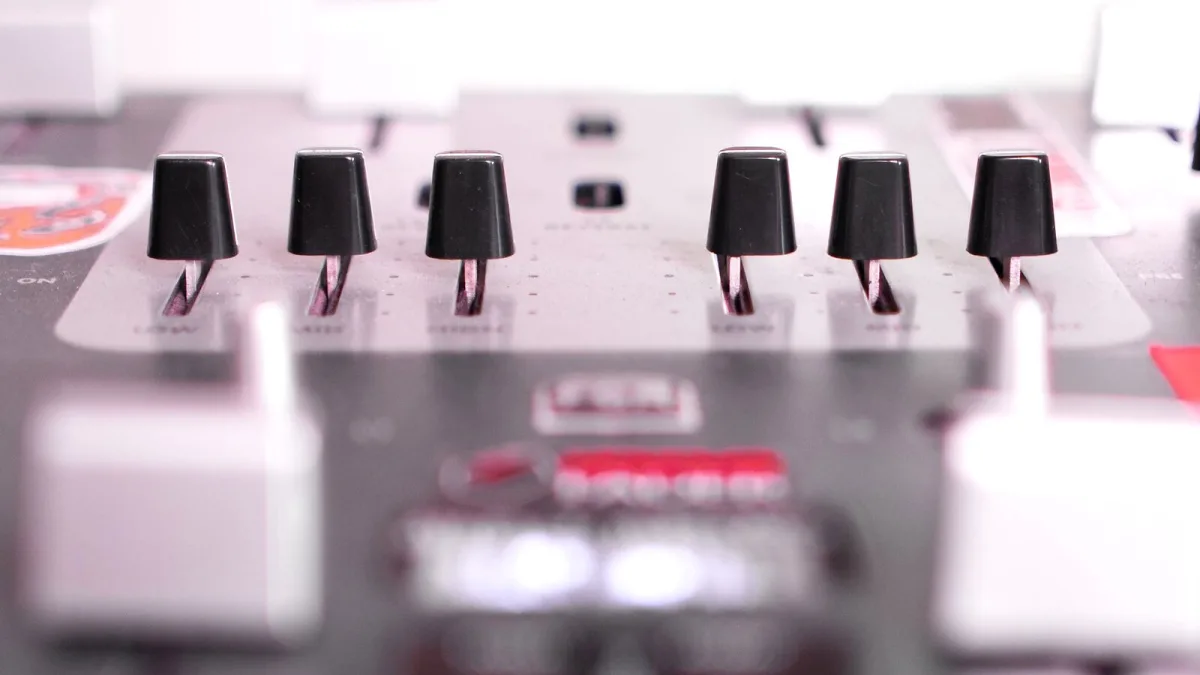
Right, "best" needs a bit of honesty when you're talking about a range this wide. There's no single best Allen & Heath mixer — there's a best one for your particular gig. So let's sort them properly by what you're actually doing, not by which one has the biggest spec sheet.
Best for home studio and podcasting: ZED
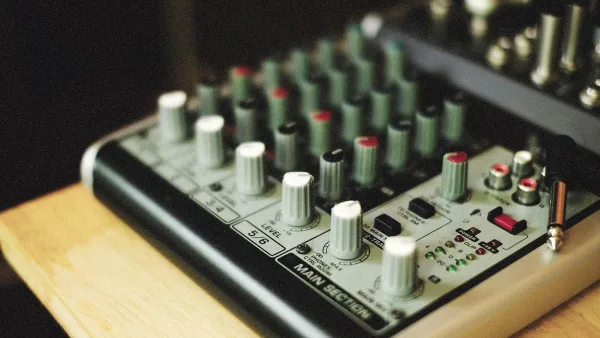
If you're recording at home, running a podcast, or just need a simple, honest mixer for a small acoustic setup, ZED is the sensible starting point. Physical knobs, no menus to navigate, and models like the ZEDi-10FX pair the mixer with a USB interface and built-in effects. You're not paying for capability you'll never touch — that's exactly the point.
Best compact digital for bands: CQ
The CQ-18T gives you 18 inputs and eight outputs with built-in Wi-Fi, which means you can mix from a tablet without running back to the desk every time you need to adjust something. For a band that wants digital flexibility — recall, effects, remote control — without a steep learning curve, this is a genuinely sensible entry point into digital mixing.
Best for regular live sound work: Qu
The Qu family — Qu-16, Qu-24, Qu-32 and the rack-mounted Qu-SB — covers a proper range of input counts while keeping a conventional physical control surface. If you're doing regular live sound for small-to-medium acts, rehearsals or installed sound and want more I/O than CQ offers with a more traditional workflow, this is where to look.
Best for professional live sound and theatre: SQ
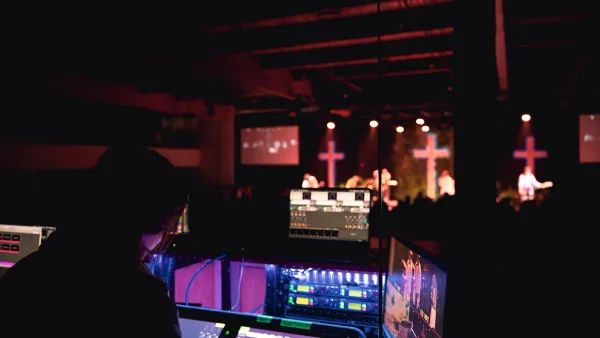
Once you're mixing monitors, theatre productions, houses of worship or corporate events properly and need 96kHz processing with dLive-derived effects, SQ is the sensible step up. It's a genuinely more powerful platform without forcing you into a separate MixRack system — a proper professional tool that still fits on one desk.
Best for larger productions: Avantis
When you need more input and bus capacity than SQ offers, and a dual-touchscreen workflow suits how you like to work under pressure, Avantis is the natural next step. It shares its 64-input/42-bus 96kHz engine with the smaller Avantis Solo, so you can pick your local I/O and physical control needs without changing the core processing you're relying on.
Best for touring and large installations: dLive
For the most demanding jobs — touring, broadcast, theatre or large-scale installation — dLive's separated surface-and-MixRack architecture earns its considerably higher cost. The 128×64-channel processing capacity and the flexibility of positioning your control surface independently from the processing engine matter enormously once redundancy and scale become real operational concerns.
Best Allen & Heath mixer if you're not sure yet
If you genuinely can't decide where you sit on this ladder, buy for where you are today rather than where you hope to be in five years. A CQ or entry-level Qu covers a surprising amount of ground for a working musician or small production company, and moving up the range later is always possible once you've outgrown what you own — buying too far up the ladder too early rarely pays off in practice.
Quick reference by use case
| What you're doing | Best pick |
|---|---|
| Home studio, podcasting | ZED |
| Band, rehearsal, small venue | CQ |
| Regular live sound work | Qu |
| Professional live sound, theatre | SQ |
| Larger productions, dual-screen workflow | Avantis |
| Touring, broadcast, large installation | dLive |
Want more detail first?
Our complete guide to the range covers how every family actually works, and our buyer's guide covers exactly what to check before you commit to spending.
The bottom line
Match the family to your actual gig, not your ambitions for one you might book someday. Every Allen & Heath mixer on this ladder is genuinely good at its job — the only wrong choice is picking one built for a different job than the one you actually have.




Comments