


CD Player article
Cd Player Explained: Features, Types and Tips
A CD player reads audio CDs through a laser transport, converts the digital stream via a DAC, and outputs analogue audio to your amplifier. Here is how each stage works and what it means for sound quality.
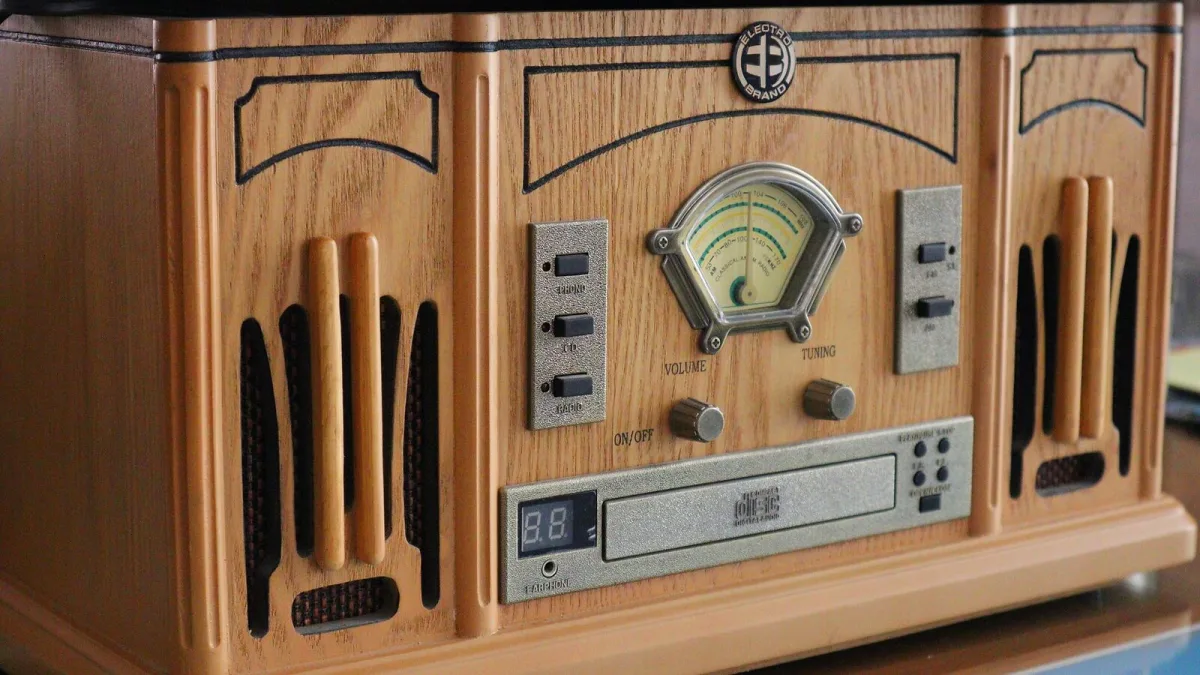
A CD player is a dedicated audio source designed to read standard audio CDs and output music to an amplifier or integrated hi-fi system. Its performance depends on three internal stages: the laser transport mechanism that reads the disc, the digital-to-analogue converter (DAC) that converts the digital bitstream to an analogue signal, and the output stage that conditions the signal before it leaves the unit. The quality of each stage varies considerably between entry-level and high-end models.
How the Mechanism Works
A laser assembly reads the pattern of pits and lands pressed into the disc surface, generating a continuous digital data stream. This stream passes through the DAC, which converts it to a voltage signal that can drive an amplifier input. The precision of the transport determines how reliably the disc is read, particularly with worn or slightly scratched discs. The DAC chip and surrounding analogue circuitry determine how accurately the digital stream becomes audible audio.
Output Connections
Stereo RCA analogue outputs are standard on almost every model. Higher-end units add balanced XLR outputs, which reduce interference over longer cable runs, and digital outputs — coaxial S/PDIF and optical TOSLINK — that allow you to bypass the internal DAC and feed the signal to a standalone external converter. CD transports provide digital outputs only and contain no internal DAC.
Disc Compatibility
Most current models support CD-R and CD-RW burned discs reliably, though compatibility varies between manufacturers. Some units also read Super Audio CD (SACD), a high-resolution format used primarily for classical and jazz catalogue titles. Check the specification sheet before buying if playing non-standard disc types is relevant to your library.
Physical Media Versus Streaming
Streaming introduces variables that physical playback avoids: lossy compression on lower-tier subscriptions, catalogue licensing changes, and network reliability. A quality disc source reads a self-contained, lossless medium with no ongoing subscription requirement. For listeners with established disc collections, a dedicated player extracts full value from physical media and provides stable audio output regardless of network or platform changes.
Further Reading
For guidance on what to look for when buying, see the complete buyer's guide to the CD player. For specific picks at each price level, see the best CD player for the money.





Comments