


Harley Benton roundup
The Best Harley Bentons for the Money
Skip the flashiest spec sheet. Here's which range actually suits your playing, from Progressive metal necks to straightforward gig-ready basses.
Let's skip the fake shootout format where every guitar mysteriously "wins" its category. What you actually get from Harley Benton is a genuinely wide range of families built for different jobs, and the smart move is picking the one built for yours — not chasing whichever model has the flashiest spec sheet this month.
Best for Riffing: The Progressive Range
If you're after low tunings, high gain and fast necks, the Progressive series is built with exactly that in mind — extended-range instruments with the kind of hardware modern metal players actually need: humbuckers, flatter fingerboard radiuses and locking tuners on the models that offer them. This is where the brand feels most confident, because a spec sheet built for a specific job tends to age a lot better than one trying to do everything at once.
Best for Classic Tones: ST- and TE-Style Models
For blues, indie, pop and general session work, the Stratocaster-inspired ST-style and Telecaster-inspired TE-style ranges cover familiar pickup configurations and control layouts without reinventing anything. Nobody's buying these for novelty — they're buying them because a Strat-shaped guitar with single coils does a specific job well, and this range delivers that job at a genuinely accessible price.
Best for Sustain: Single-Cut, Les Paul-Style Guitars
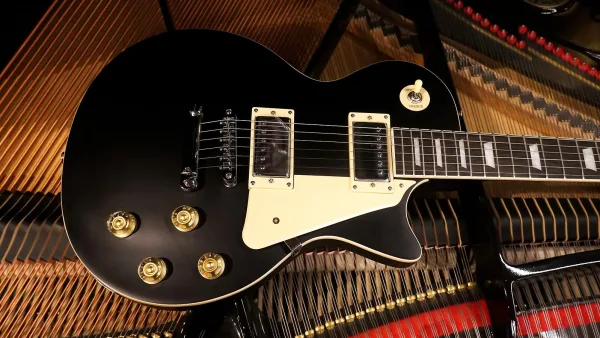
Set-neck or through-neck construction with humbuckers gives you a fundamentally different feel and sustain profile from the bolt-on models above, and the single-cut range is where to look for that. It's the obvious pick for thicker rock and classic-rock tones where sustain matters as much as the notes you actually pick.
Best Bass for the Money: The JB and PB Ranges
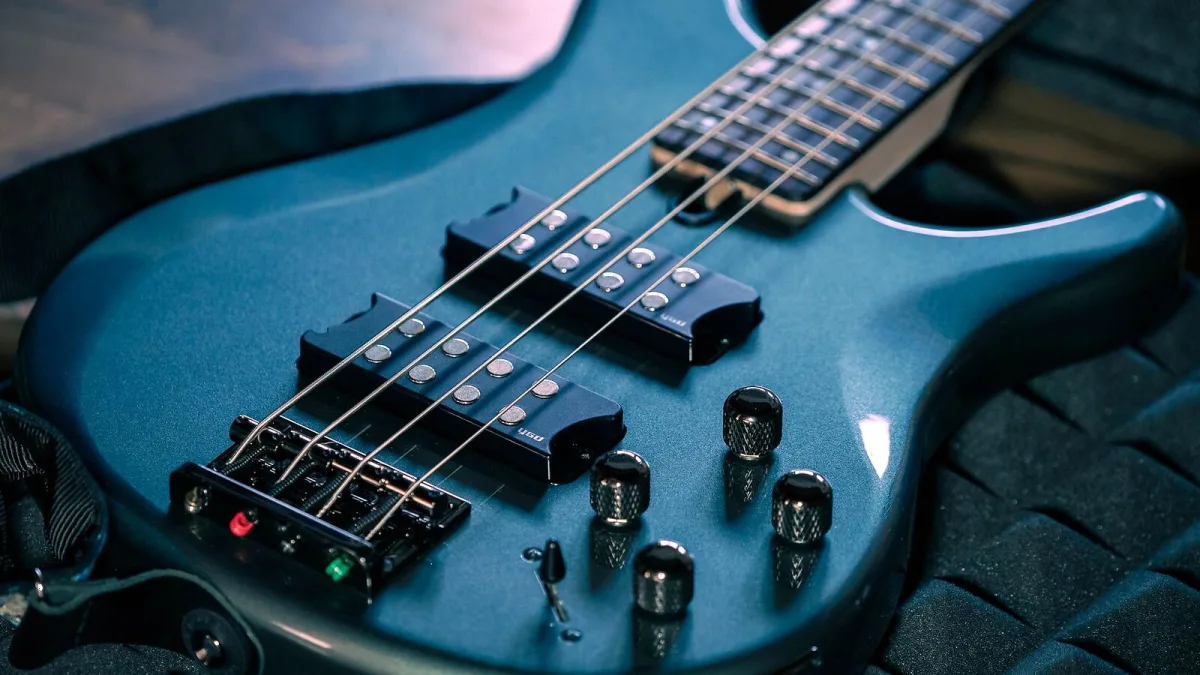
On the bass side, the JB-62HA is a genuinely well-specified example of what this brand does well: alder body, lightly caramelised Canadian-maple neck, laurel fingerboard, 34-inch scale and Alnico 5 Jazz Bass-style pickups. The PB-62LA follows the same logic with a Precision-style layout, at roughly £214 when Guitar World reviewed it. Neither is trying to be a boutique instrument, and neither needs to be — they're both straightforward, gig-ready basses at a price most other brands can't touch.
| Player Type | Best Range | Why |
|---|---|---|
| Metal / modern rock | Progressive | Extended range, high gain, fast necks |
| Blues / indie / session | ST- and TE-style | Familiar, reliable pickup layouts |
| Classic rock / sustain | Single-cut | Set-neck construction, humbuckers |
| Bass beginners | JB / PB ranges | Straightforward, well-specified basses |
| Modders / tinkerers | DIY kits | A cheap platform to learn on |
Best for Modding: DIY Kits and Basic Bolt-Ons
If your idea of "value" includes your own labour, the DIY kits and simpler bolt-on models are a genuinely good starting platform for upgrading pickups, tuners and bridges yourself. Just budget honestly for parts and your own time — a kit's sticker price is rarely the full cost once you factor in tools and finishing materials.
What "Best for the Money" Doesn't Mean Here
It doesn't mean any of these will outplay a genuinely premium instrument, and it doesn't mean every unit off the line is flawless — quality still varies model to model, which is exactly why Harley Benton: a complete buyer's guide is worth reading before you commit to anything specific. What it does mean is that, family for family, you're getting features and build quality that would usually cost noticeably more elsewhere.
New to All This?
If the ranges above mean nothing yet, don't panic. Harley Benton for beginners: a complete guide strips this right back to the basics, and Harley Benton explained: features, types and tips covers the full picture of how the brand actually works.





Comments