


Harley Benton article
Common Harley Benton Mistakes to Avoid
None of these are exotic mistakes. They're just easy to miss when a listing looks this good on paper.
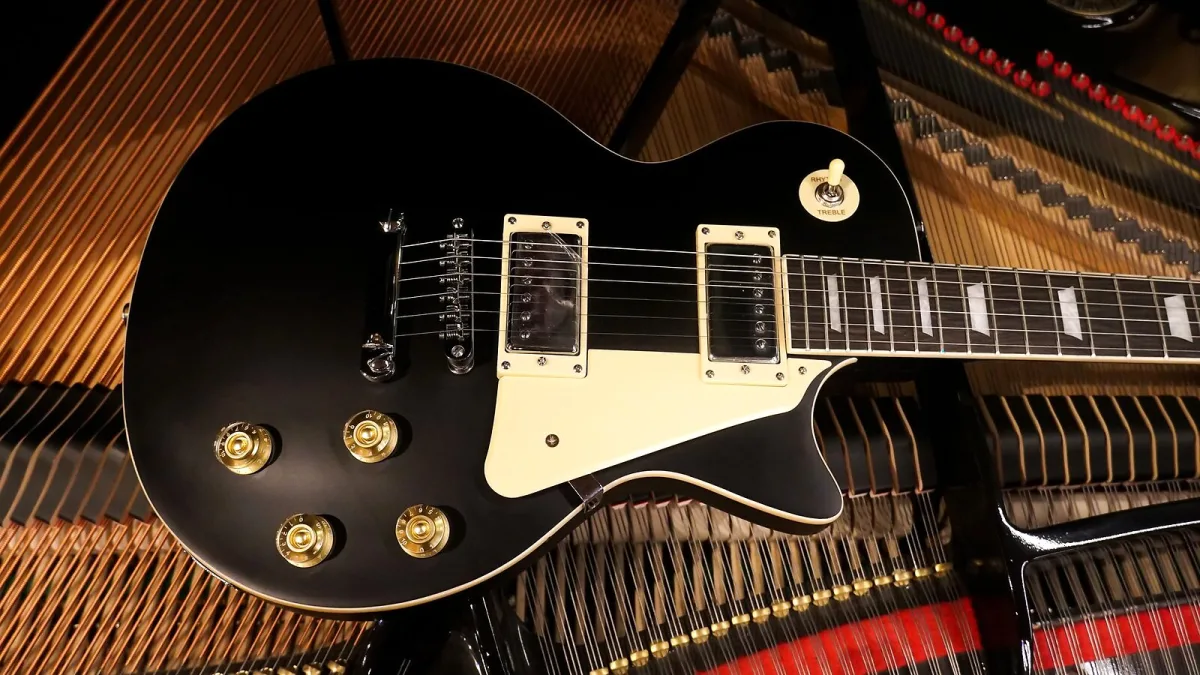
I've watched more than one friend fall in and out of love with a Harley Benton they bought purely on spec-sheet hype, and every single time the actual problem traced back to one of a handful of avoidable mistakes. None of these are exotic. They're just easy to miss when a listing looks this good on paper.
Mistake One: Judging All of Harley Benton Off One Bad Review
The catalogue spans everything from basic student instruments to genuinely well-specified modern guitars, built to very different priorities under the same badge. One disappointing model, or one glowing one, tells you almost nothing about a completely different instrument three ranges away. Treat each model as its own decision.
Mistake Two: Trusting the Spec Sheet Over the Instrument
A lightly caramelised maple neck, stainless-steel frets and a fancy bridge all sound impressive listed out, and they're genuinely real features where confirmed. None of it guarantees good fretwork, a properly cut nut or clean electronics underneath, though. Read the spec sheet for what it tells you, and still expect to check the actual instrument once it arrives.
Mistake Three: Assuming the Cheapest Listed Price Wins
It's an easy trap: two similar-looking models, one slightly cheaper, decision made. Except the cheaper one might need £60 of setup work, come without a case, or carry a shorter warranty. Once you add all of that up, the "cheaper" guitar can end up costing more than the one you almost dismissed.
Mistake Four: Skipping the Setup Entirely
Even a well-built instrument generally plays better after a proper setup — action adjusted, intonation checked, everything tightened where it should be. Treating a setup as an optional extra, rather than a normal part of owning any guitar in this price range, is how a genuinely decent instrument ends up gathering dust because it never quite felt right.
Mistake Five: Underestimating a DIY Kit
The kits are genuinely good value on paper, but "kit" means exactly that — assembly, finishing, wiring and setup are all still your job. Buying one expecting a shop-finished result straight out of the box, without the tools, materials or time budgeted in, is how a promising project turns into an unfinished guitar in the corner of a room.
Mistake Six: Ignoring Where a Specific Model Is Actually Made
Manufacturing location varies model to model rather than being fixed for the whole Harley Benton range. Assuming every instrument comes from the same factory, with the same quality-control standards, isn't a safe assumption — check the specific model you're looking at rather than generalising from something you read about a different one.
Mistake Seven: Modding Before Checking the Numbers
Swapping pickups, tuners or a bridge on a budget platform can genuinely transform it, and that's a real part of the appeal for a lot of players. Where it goes wrong is starting the upgrades before working out what they'll actually cost in parts and labour — sometimes more than the price gap to a higher-specification model that already has what you're chasing built in.
Avoiding All of This From the Start
Most of these mistakes come down to the same root cause: treating one part of the picture — a spec sheet, a price tag, a single review — as the whole story. Harley Benton: a complete buyer's guide walks through how to actually weigh all of it up properly before you buy, and if you're just starting out altogether, Harley Benton for beginners: a complete guide keeps things simpler still.
The Bottom Line
None of these mistakes are unique to Harley Benton, but they matter more here precisely because the range is so wide and the quality genuinely varies by model. Slow down, check the specific instrument rather than the badge, and you'll avoid almost all of the regrets I've watched other people talk themselves into.





Comments