


Yamaha Dx Synthesizers article
Yamaha Dx Synthesizers for Beginners: A Complete Guide
FM synthesis sounds scarier than it is. A gentle, encouraging way into Yamaha DX synthesizers, from your first preset to the three settings actually worth learning.
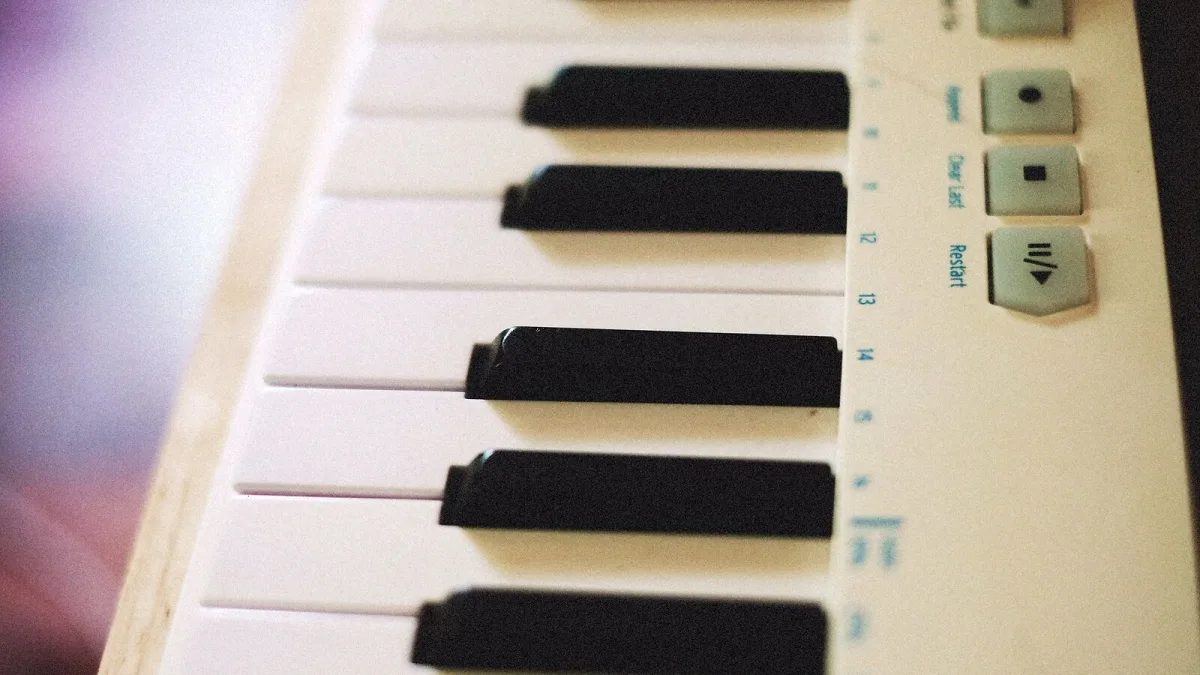
The word “FM synthesis” scares a lot of people off before they've even switched anything on, and that's a shame, because Yamaha DX synthesizers are actually a genuinely welcoming place to start once someone talks you through the basics gently. You do not need to understand every technical term to start making interesting sounds today.
You Don't Need to Understand FM Synthesis to Start
Here is some reassurance: even experienced musicians in the 1980s mostly played factory presets rather than building patches from scratch, because programming these instruments properly is genuinely fiddly. That means starting with ready-made sounds and simply playing is not a shortcut or a cop-out — it is exactly how most people actually used these instruments in the first place.
The Simplest Way In
If buying a forty-year-old keyboard feels like a big first step, it is not your only option. A modern instrument built around Yamaha's current FM-X technology, or a software emulation on a laptop, gives you the same underlying sound world with a far gentler learning curve and none of the vintage maintenance worries. Start there, get comfortable, and a vintage DX7 can always come later if the sound really grabs you.
Just Three Things Worth Learning First
- Algorithm — think of this as the wiring diagram deciding which parts of the sound shape which other parts. You do not need to understand every option, just that changing it changes the character of the patch.
- Operator level — turning an operator up or down changes how loud, bright or present that part of the sound is. Small nudges make a bigger difference than you'd expect.
- Envelope — this shapes how a sound starts, sustains and fades. A fast envelope feels percussive; a slow one feels soft and swelling.
That is genuinely enough to start exploring. Everything else you will pick up naturally once these three feel familiar.
Worries Every Beginner Has
“I'll never understand all those algorithms”
You do not need to memorise all 32 on day one, or ever, really. Most players lean on a handful of favourites they understand well rather than knowing every option by heart.
“I'm going to break something”
Turning a knob or changing a setting will not damage the instrument. The worst outcome is a sound you do not like, which you can simply change back or start again from a preset.
“Everyone else seems to already know what they're doing”
Plenty of people who now sound confident with these instruments spent months just tweaking presets before they touched deeper programming at all. Nobody starts at the deep end.
A Gentle First Session
- Load a factory preset you like and simply play it for a while, getting a feel for how velocity changes its character.
- Change one operator's level and listen to what shifts — brightness, volume, or the balance between two parts of the sound.
- Try a faster and then a much slower envelope setting on the same patch, and notice how differently it feels to play.
- Save your own tweaked version, even a small one, so you get used to the idea of the sound belonging to you.
What You Actually Need to Begin
Less than you might think when starting out with Yamaha DX synthesizers. A modern FM-X keyboard, a Reface DX, or even just a software emulation and a MIDI keyboard is genuinely enough to get going — you do not need a vintage DX7 sitting in the room to start learning how this kind of sound works. Headphones help too, since you will want to listen closely to small changes as you experiment, and a lot of the early learning happens through careful listening rather than reading manuals.
Ready to Go Further?
Once the basics feel comfortable, our complete guide to Yamaha DX synthesizers explains the full family history and how FM synthesis actually works underneath. When you are ready to buy, our buyer's guide and our round-up of the best options will help you choose sensibly.
The Bottom Line
Learning Yamaha DX synthesizers does not require becoming an FM synthesis expert overnight. Start with presets, learn algorithm, operator level and envelope one at a time, and be patient with yourself. Everyone who plays these instruments confidently now started exactly where you are.





Comments