


Yamaha Dx Synthesizers article
Common Yamaha Dx Synthesizers Mistakes to Avoid
The same handful of habits explain most problems with Yamaha DX synthesizers. Here are six real mistakes, why they happen, and the quick fix for each.
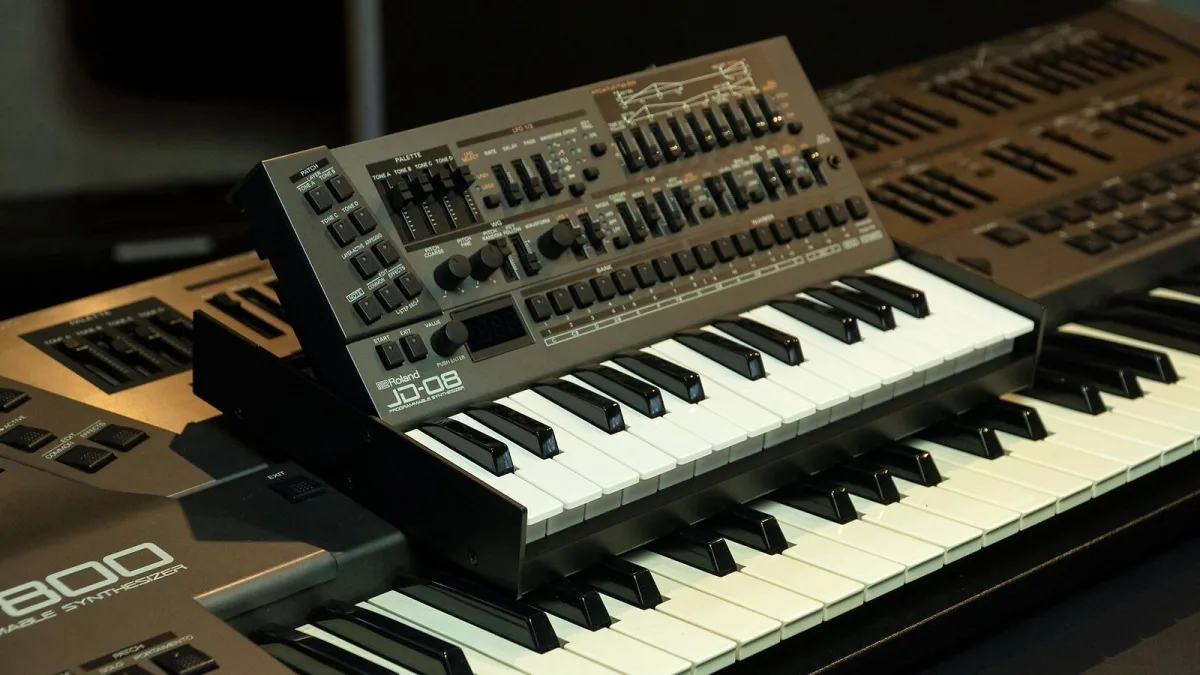
I've watched plenty of people fall in love with the sound of Yamaha DX synthesizers and then talk themselves out of actually enjoying one, usually over the same handful of avoidable mistakes. None of these are complicated to fix once someone points them out, and most of them come up again and again whether it's a first-time buyer or someone who's owned one for years without ever quite getting comfortable. So let's get straight into them.
Mistake 1: Buying a Vintage DX7 Without Checking the Battery
This is the single most predictable failure point across the whole vintage DX range. A dead or leaking internal battery wipes patch memory and can corrode the circuitry around it. Always ask directly whether it has been replaced, and test whether the unit actually retains patches after being switched off before you hand over any money.
Mistake 2: Giving Up on Front-Panel Programming Too Early
The small display and dense menu structure genuinely put people off, and that's understandable. But abandoning programming entirely means missing most of what makes FM synthesis interesting. Start small — tweak one operator's level on an existing preset rather than trying to build a whole patch from a blank slate on day one.
Mistake 3: Assuming Every Patch Needs Six Operators
It's tempting to think more operators automatically means a better sound, but four-operator models like the DX9, DX21 and DX100 produce genuinely convincing basses, bells and electric pianos with a simpler architecture. Reaching for a six-operator DX7 by default, rather than because a specific patch actually needs that complexity, just adds unnecessary friction.
Mistake 4: Ignoring Velocity and Aftertouch Settings
On FM instruments, velocity often shapes brightness and timbre, not just volume, so leaving velocity sensitivity at a default setting can flatten out a lot of expressiveness a patch was designed to have. The same goes for aftertouch: it's easy to forget it exists, and easy to miss how much it can add once you actually start using it.
Mistake 5: Treating Every DX7 Credit as Verified Fact
It's genuinely fun to spot which classic records supposedly used a DX7, but plenty of those attributions come from listening analysis rather than confirmed session documentation. Treat song-by-song credit lists as interesting leads, not settled history, unless they're backed by an interview, technical credit or production note.
Mistake 6: Neglecting MIDI and Cartridge Port Maintenance
| Neglected area | Typical result | Fix |
|---|---|---|
| Dusty or worn MIDI ports | Intermittent connection to your DAW or other gear | Clean contacts, use quality cables |
| Cartridge slot left unused for years | Sticky or unreliable cartridge reads | Exercise the slot occasionally, store cartridges properly |
| No patch backups | Total loss of programmed sounds if the battery fails | Back up patches via MIDI dump or software editor |
None of this is dramatic, but skipping it is exactly how a fine-sounding instrument slowly turns into an unreliable one.
A Quick Pre-Purchase and Pre-Session Check
Whether you're about to buy one or just about to sit down for a programming session, a minute of checking saves a lot of frustration later:
- Power the unit off and back on to confirm patches survive the cycle.
- Play the same note at a few different velocities to check the response feels even and expressive.
- Send a small MIDI message from your DAW to confirm the connection is solid before a session, not mid-way through one.
- If you're buying, ask the seller directly whether any repairs or battery work have been done, and get it in writing where possible.
None of this takes long, and it catches most of the problems Yamaha DX synthesizers owners run into before they cost you real time or money.
Where to Read More
If some of this technical detail feels like it needs more background, our complete guide to Yamaha DX synthesizers covers FM synthesis and the full model range from scratch. Thinking about buying one? Our buyer's guide and our round-up of the best options will help you avoid a bad purchase in the first place.
The Bottom Line
Every mistake above comes down to the same thing: skipping a small check or giving up a little too early. Test the battery, ease into programming gently, pick the right operator count for the job, use velocity and aftertouch properly, stay sceptical of unverified credits, and keep basic maintenance up to date. Fix those six habits and Yamaha DX synthesizers become a lot more rewarding to actually own.





Comments