


Nt 1 Kit article
Nt 1 Kit Explained: Features, Types and Tips
The NT1 Kit isn't one single product. Here's what you're actually getting, the generations to tell apart, and what it's good at.
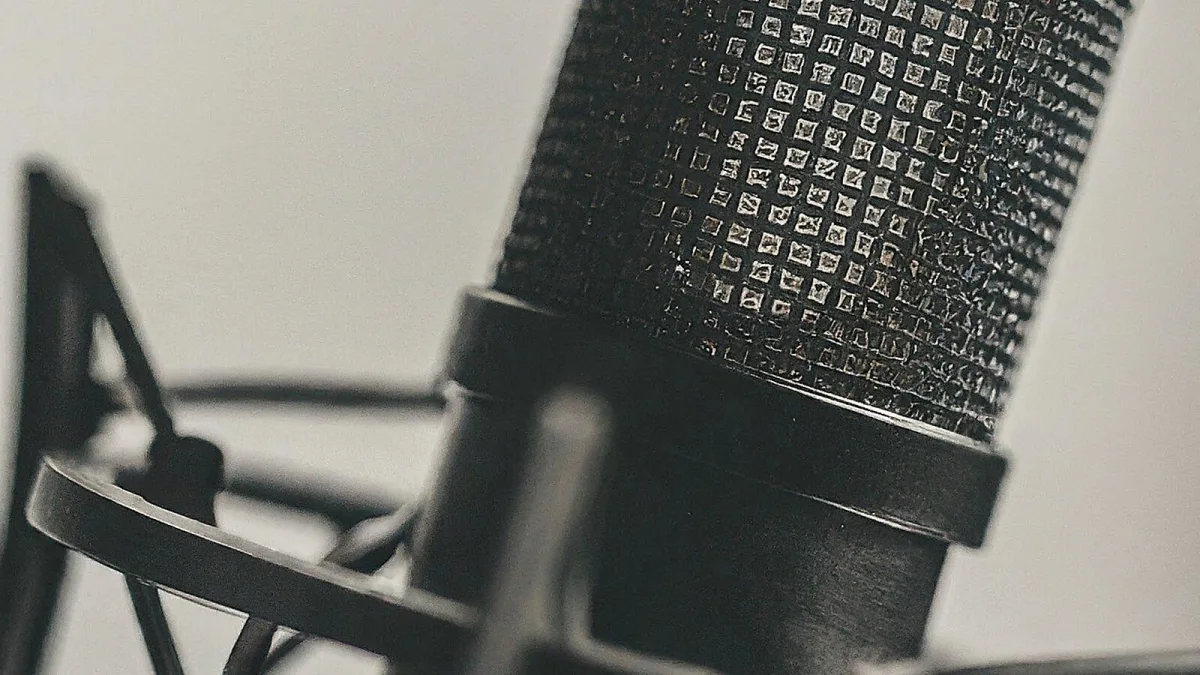
Right, let's cut through the naming confusion first, because it trips a lot of people up. The RØDE NT1 Kit isn't one single product — it's a package built around RØDE's NT1 condenser microphone, and depending on where and when you're buying, that name can mean slightly different things. Here's the honest, no-hype breakdown of what you're actually getting and what it's for.
What the NT1 Kit Actually Is
At its core, the NT1 Kit is a large-diaphragm condenser microphone — a type of mic built for detailed, sensitive studio recording, as opposed to the tougher, less sensitive dynamic mics you'd use for live sound. The classic kit pairs the NT1 mic with RØDE's SM6 shock mount (a suspension cradle that isolates the mic from desk and stand vibration), an integrated pop filter, an XLR cable and a dust cover. It's built primarily for studio vocals, voice-over and instrument recording rather than stage use.
The Generations You Need to Tell Apart
This is the bit that genuinely matters before you buy anything. RØDE has sold several distinct versions under the NT1 name, and the kit name alone doesn't automatically tell you which one a listing is describing.
| Version | Connection | Key Traits |
|---|---|---|
| NT1 4th Generation | XLR only | HF6 capsule, very low self-noise, classic SM6 kit |
| NT1 5th Generation | XLR and USB-C | Onboard DSP, 32-bit float recording, digital connectivity |
| NT1 Signature Series | XLR only | HF6 capsule, classic NT1 voicing, launched November 2023 |
The traditional "NT1 Kit" most people mean is the fourth-generation microphone bundled with the SM6 mount. If a listing doesn't specify which generation you're getting, that's a fair reason to ask before buying — the accessories and features genuinely differ.
Core Specifications
- Capsule: roughly 1 inch, large-diaphragm true condenser
- Polar pattern: fixed cardioid (picks up sound from the front, rejects much of what's behind it)
- Frequency response: approximately 20 Hz–20 kHz
- Self-noise: around 4 dB(A) on the low-noise variants — RØDE markets this as exceptionally quiet for a studio condenser
- Power: requires phantom power (24 or 48 volts) from an interface or mixer on the XLR versions
Worth flagging: published maximum SPL figures vary noticeably between generations and sources, so treat any single number you see quoted online as generation-specific rather than universal to "the NT1."
What It's Actually Good At
The fixed cardioid pattern and low self-noise make it a strong fit for vocals, voice-over, acoustic guitar, piano and percussion in a reasonably controlled room. Because it's so quiet electronically, it's also a popular choice for anyone recording quiet or dynamic material where you'd otherwise hear the microphone's own hiss.
Where It Falls Short
- Fixed cardioid only — no switchable polar patterns if your work needs more flexibility
- Needs phantom power, so it won't work plugged straight into a basic laptop input
- Very low self-noise means room noise, computer fans and preamp hiss become more noticeable by comparison
- A shock mount and pop filter help, but they can't fix a genuinely untreated, reflective room
What the Box Doesn't Include
Worth knowing before you order: the kit gives you the microphone and the accessories to mount and protect it, but not everything you need for a working setup. You'll still want an audio interface (or a mixer with a mic preamp) to supply phantom power and get the signal into your computer, an XLR cable if one isn't already included in your specific listing, and a proper microphone stand or boom arm — the SM6 shock mount attaches to a stand rather than including one itself. Budget for these separately if you're starting completely from scratch.
A Few Honest Tips
Position the microphone slightly off-axis rather than pointed straight at the mouth if sibilance is a problem, and remember that moving closer increases warmth through what's called the proximity effect — the natural bass boost that happens with directional mics at close range. Keep your distance from the mic consistent through a take, since the NT1's detail means small position changes are easy to hear. And because self-noise is so low, treat the room, not just the microphone — carpet, soft furnishings and distance from a noisy computer fan will do more for your recordings than any setting on the mic itself.
Deciding Which One to Buy
If you're weighing up the 4th Generation against the 5th Generation and Signature Series, our complete buyer's guide walks through exactly that decision, and the best value picks ranks the configurations by value. If you've just unboxed one, the beginner's guide walks through setup step by step.
The Bottom Line
The NT1 Kit earns its reputation honestly: it's quiet, detailed and genuinely useful across vocals and instruments, provided you know which generation you're buying and treat your room with the same care you'd give the microphone itself. Get those two things right, and it's a package that outperforms its price for a long time.




Comments