


Nt 1 Kit roundup
Nt 1 Kit: A Complete Buyer's Guide
Everything I wish someone had told me before I bought my first proper microphone, applied to the NT1 Kit specifically.
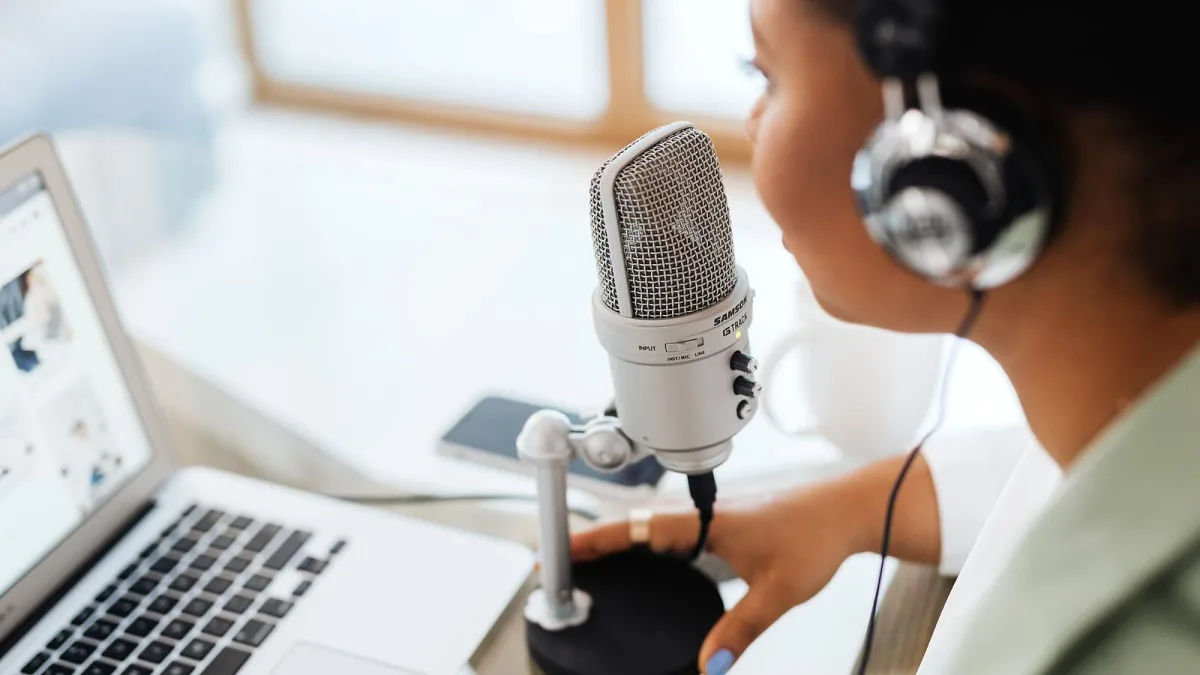
I still remember the first "proper" microphone I ever bought — how long I agonised over it, how many forum threads I read, and how much simpler the whole thing would have been if someone had just told me what actually mattered. So let's do that here. If you're looking at an NT1 Kit and wondering whether it's the right call, here's the honest version.
Why the NT1 Kit Keeps Coming Up
Ask around any home studio forum for a first "serious" condenser microphone and the NT1 Kit gets mentioned constantly, for reasons that hold up: it's quiet, well built, and comes with the accessories most beginners would otherwise have to buy separately anyway. That reputation is earned rather than hype, but it doesn't mean every NT1 Kit listing is the same deal, which is exactly why the next few sections matter more than the name on the box.
Start With What You're Actually Recording
Before any spec sheet, ask yourself what you're really going to point this microphone at most often. If it's vocals, voice-over or acoustic instruments in a reasonably treated room, RØDE's NT1 line is a genuinely strong fit — that's exactly what it's built for. If you're mainly recording loud sources close up, like amplifiers or drums, it's worth checking published maximum SPL figures for your specific model rather than assuming one number applies across the whole range.
The Decision That Matters Most: Which Generation?
This is where most of the confusion lives, and it's worth getting straight before you look at price at all.
| Version | Best For | Consider If... |
|---|---|---|
| 4th Generation | Traditional studio setups with an interface already | You want the classic kit, XLR only, no fuss |
| 5th Generation | Home studios and podcasters wanting flexibility | You want both USB and XLR, plus onboard DSP |
| Signature Series | Buyers who want the classic sound with current specs | You're set on XLR and want the newest capsule revision |
If in doubt, decide on connectivity first: do you already own an audio interface you're happy with, or would you rather the microphone handle the digital conversion itself via USB? That single question rules out two of the three options immediately.
What "Kit" Should Actually Include
Before you commit, check the listing genuinely includes the accessories the name promises: the SM6 shock mount, an integrated pop filter, an XLR cable and a dust cover. Some retailers sell the microphone alone or with a simpler mount, at a lower price, which is a perfectly reasonable option too — just make sure you know which one you're comparing against when you're weighing up value.
What You'll Still Need to Budget For
- An audio interface or mixer, unless you're buying the USB-capable 5th Generation and plan to use that connection
- A proper microphone stand or boom arm — the shock mount attaches to one but doesn't include it
- Some basic room treatment or at least a quiet, soft-furnished space to record in
- A pop filter is usually included, but confirm it if you're buying a bundle from a third-party retailer rather than directly
Second-Hand and Ex-Demo Options
A well-cared-for used NT1 can be a genuinely smart buy, since condenser capsules generally age well when they haven't been dropped or stored somewhere damp. Ask the seller whether the shock mount and pop filter are the originals, check the mesh grille for damage or corrosion, and if at all possible, test it through an interface before handing over money rather than trusting photos alone.
Questions Worth Asking Before You Buy
- Which generation is this specific listing describing?
- Does it include the SM6 shock mount, or a simpler alternative?
- Do I need USB connectivity, or do I already have an interface?
- Is my room quiet enough to make the most of a microphone this sensitive?
Official Kit or Third-Party Bundle?
You'll sometimes see retailers assemble their own "kit" around a standalone NT1 microphone, bundling in a cheaper third-party stand or an own-brand cable rather than RØDE's official accessories. That's not automatically a bad deal, but it's a different comparison to the genuine NT1 Kit, and it's worth knowing which one a price is actually describing before you decide anything is a bargain.
A Word on Price
Pricing shifts with retailers, regions and promotions, and RØDE's own line-up has been restructured more than once, so don't treat any single number you see quoted as fixed. What's more useful is comparing like for like: the same generation, the same included accessories, before deciding who's offering genuine value.
Where to Go From Here
If you want a ranked breakdown of which configuration actually delivers the best value for different needs, our value guide covers exactly that. For the full rundown of specs and generations side by side, our explainer is worth reading first, and if you've already bought one, the beginner's guide walks through setting it up properly.
The Bottom Line
Work out what you're recording, settle the XLR-versus-USB question, and confirm exactly what's in the box before you compare prices. Get those three things sorted and buying an NT1 Kit stops being confusing and starts being genuinely straightforward.




Comments