


Fender article
Common Fender Mistakes to Avoid
It's almost never the guitar's fault. Here are the specific, avoidable mistakes that actually trip up Fender buyers and owners.
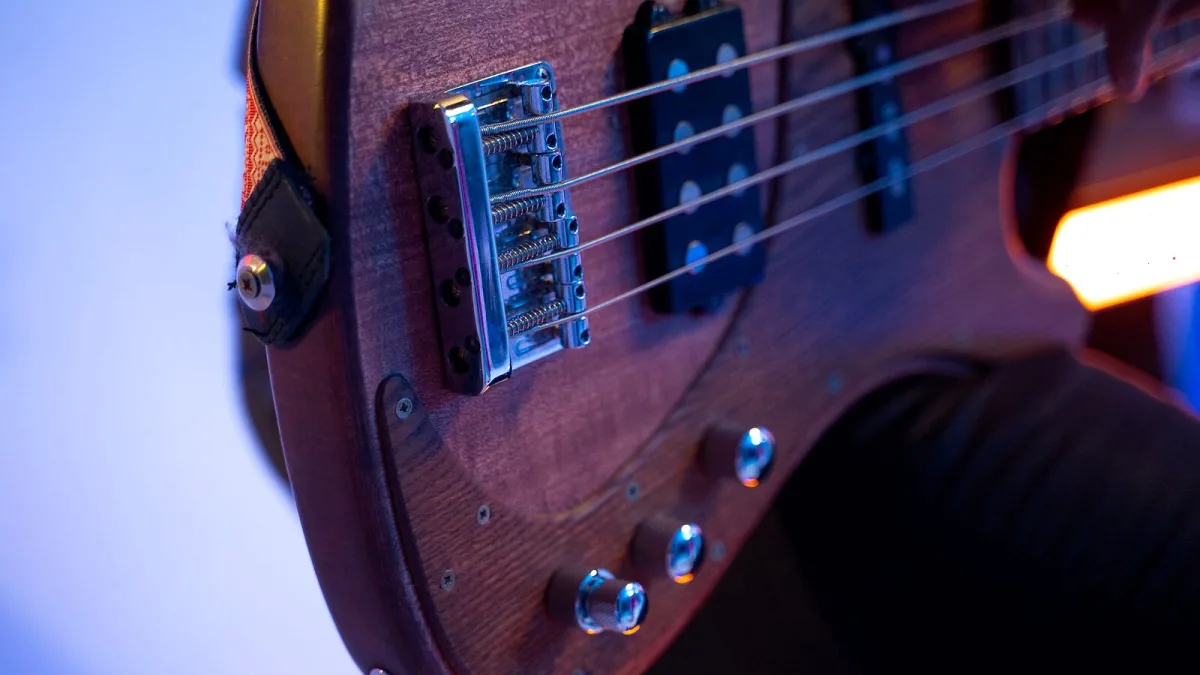
I've watched more than a few mates get burned buying a Fender, and it's almost never the guitar's fault — it's a handful of avoidable mistakes made before or after the purchase. Here's what actually trips people up, in the order I'd fix them, and how to sidestep every one of them.
Mistake 1: Choosing the Shape Before the Sound
A Stratocaster looks stunning, but if what you actually want is a Telecaster's punchy, direct attack for rhythm work, the shape you fell for in a photo won't get you there. Work out the tone first — three single-coils and a tremolo (a spring-loaded bridge that bends pitch) for versatility, or two pickups and a fixed bridge for simplicity — then let that decide the shape, not the other way round.
Mistake 2: Not Understanding the Tiers
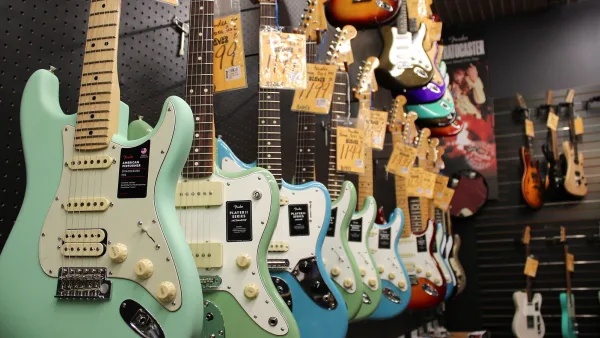
Squier, Player, Vintera, American Professional II, American Ultra, Custom Shop — the same body shape exists at every one of those levels, and mixing them up is an expensive mistake. Know exactly which tier you're paying for before you compare prices between two guitars that look identical online, and remember that lineups and finishes change often enough that a listing from last year may no longer be accurate.
Mistake 3: Skipping the Used-Guitar Checklist
Buying a second-hand Fender without checking neck straightness, fret wear, nut slots, bridge alignment, pickup noise and pot or switch function is how people end up with an expensive repair bill on top of the purchase price. Always check the serial number and country of manufacture too — though treat it as a clue, not proof, since dating a guitar properly means cross-referencing the headstock shape, decal and hardware as well.
Mistake 4: Chasing Tonewood Myths
It's tempting to obsess over the exact wood in the body, expecting it to transform the sound. In practice, pickup choice, amp settings, strings, setup and playing technique usually have a far more audible effect than the timber underneath the finish. Worth remembering before you pay a premium for a claim that's hard to actually hear.
Mistake 5: Getting the Vibrato Setup Wrong
A Stratocaster's synchronized tremolo relies on spring balance to hold tune, and Jazzmaster or Jaguar floating vibratos need the bridge, springs and string gauge working together properly. Set up carelessly, either can drift out of tune constantly — which people then blame on the Fender rather than the setup.
Mistake 6: Modifying Before Understanding the Original Design
Swapping a bridge, tremolo or pickup set can absolutely solve a genuine problem — but it can just as easily undo the balance a Fender was designed around, and it can knock a serious dent in resale value. Understand what you've actually got, including whether it's original or already modified, before you start changing anything else.
Mistake 7: Forgetting the Amp Entirely
Spending everything on the guitar and grabbing whatever amp is cheapest is a classic false economy. A single-coil-loaded Fender needs a valve amp with enough clean headroom to actually show off what it does, and bass players need an amp genuinely rated for bass rather than a borrowed guitar combo — budget for both from the start.
Mistake 8: Treating Artist Photos as a Spec Sheet
Seeing a favourite player with a particular model doesn't confirm the exact specification they recorded with, and artist signature models can differ substantially from the artist's actual instrument. Lovely inspiration, unreliable evidence — buy based on what you can check and play, not a photo from a magazine or festival stage.
Mistake 9: Never Playing It Before Buying
Photos and spec sheets only tell you so much. Neck shape, string spacing and body weight all vary enough between individual guitars, even within the same tier, that buying entirely unseen and unplayed — especially second-hand — is a gamble you don't need to take when a quick try in person, or a returns policy you've actually read, solves the problem outright.
The Bottom Line
Most Fender regrets come down to skipping a step: not defining the tone you want, not understanding the tiers, not checking a used guitar properly, or not budgeting for the amp. Avoid those and you're left with exactly what you paid for. If you haven't already, it's worth reading our complete buyer's guide and Fender explained before you shop, plus the best Fenders for the money if you're still weighing up tiers. First-timers should start with Fender for beginners instead.




Comments