

Epiphone Es 335 article
Epiphone Es 335 for Beginners: A Complete Guide
Nothing about this guitar should feel intimidating once we've talked through what it actually is. Let's take it gently.

Thinking about an Epiphone ES-335 as one of your first proper electric guitars? Lovely choice, and nothing about an Epiphone ES-335 should feel intimidating once we've talked through what it actually is. Let's take this gently.
It Looks Different Because It Is Different, in a Good Way
If you've only played a solid-body electric before, the first thing you'll notice is that this guitar has a bit of hollow space inside it, visible through those curvy f-holes on the front. That's completely intentional and nothing to worry about — it gives the guitar a warmer, slightly airier sound than a solid body, while a solid block of wood hidden down the centre keeps things stable and helps the notes ring out nicely. You're not getting a fragile or unusual instrument; you're getting a genuinely well-thought-out design that's been popular for decades.
What All Those Knobs Actually Do
New players often feel a bit overwhelmed by four knobs and a switch, so let's demystify it gently:
- Two volume knobs — one for each pickup, controlling how loud that pickup sounds.
- Two tone knobs — one for each pickup, rolling off brightness when you turn them down.
- The three-way switch — picks which pickup (or both) you're actually using at any moment.
You genuinely don't need to understand every combination straight away. Start with everything turned up and the switch in the middle position, and explore from there once you're comfortable.
Will It Feed Back on Me?
This is a really common worry, and a fair one. Because there's hollow space inside, this style of guitar can feed back more easily than a solid-body one at very high volumes and gain. In practice, for home practice, small gigs and most normal playing situations, you're extremely unlikely to run into any trouble. It's really only an issue when you're pushing serious volume through a loud amp, which as a beginner you almost certainly won't be doing yet.
Does It Feel Different to Play?
The neck itself feels fairly familiar — a comfortable, moderate profile that most players settle into quickly. The main difference you'll notice is the body: it's a bit bigger and broader than many solid-body electrics, with a good, hollow-feeling resonance you can actually feel against you while you play. Give yourself a little time to adjust if you're coming from a smaller or thinner guitar. That adjustment period is completely normal and nothing to worry about.
Looking After It Gently
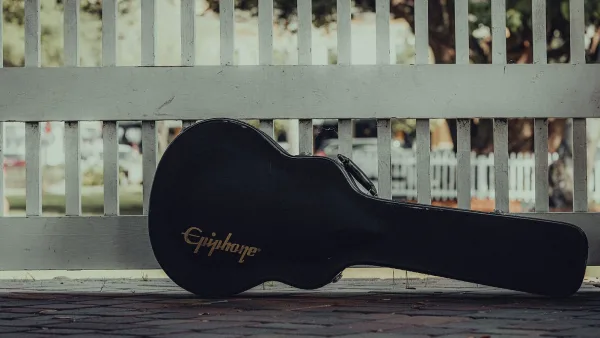
A few kind habits will serve you well from day one: use a proper stand or hang it on a wall mount rather than leaning it against furniture, invest in a decent case or padded gig bag since the body is a little more exposed to knocks than a solid one, and don't panic if you notice the strings need changing more often than you expected — that's completely normal for any electric guitar, not a sign anything's wrong.
A Little Encouragement About the Company You're Keeping
The shape you've chosen has a genuinely lovely history behind it, played by all sorts of musicians across blues, jazz, classic rock and plenty of gentler styles besides. You don't need to know any of that history to enjoy your Epiphone ES-335 — it's simply nice to know you've picked something with real character and a long, warm reputation, rather than a passing trend.
You Don't Need to Know Everything Yet
Give yourself permission to just enjoy playing for a while before worrying about pickup specifications, wood types or tier differences. Those things matter more once you're shopping for a second guitar or genuinely curious about the details, not in your first few months. When you are ready to learn more, our full overview explains the build and different versions properly, and common mistakes to avoid is worth a gentle read once you're feeling more confident.
The Bottom Line
An Epiphone ES-335 is a genuinely welcoming first "proper" electric guitar, not a complicated specialist instrument. Learn the basics at your own pace, be a little careful with the body, and the rest of the learning curve will take care of itself.





Comments