


Yamaha Electric Bass Guitar article
Yamaha Electric Bass Guitars: A Complete Guide
From the first Yamaha electric bass to Billy Sheehan's Attitude signature, here's what actually sets each Yamaha bass family apart.
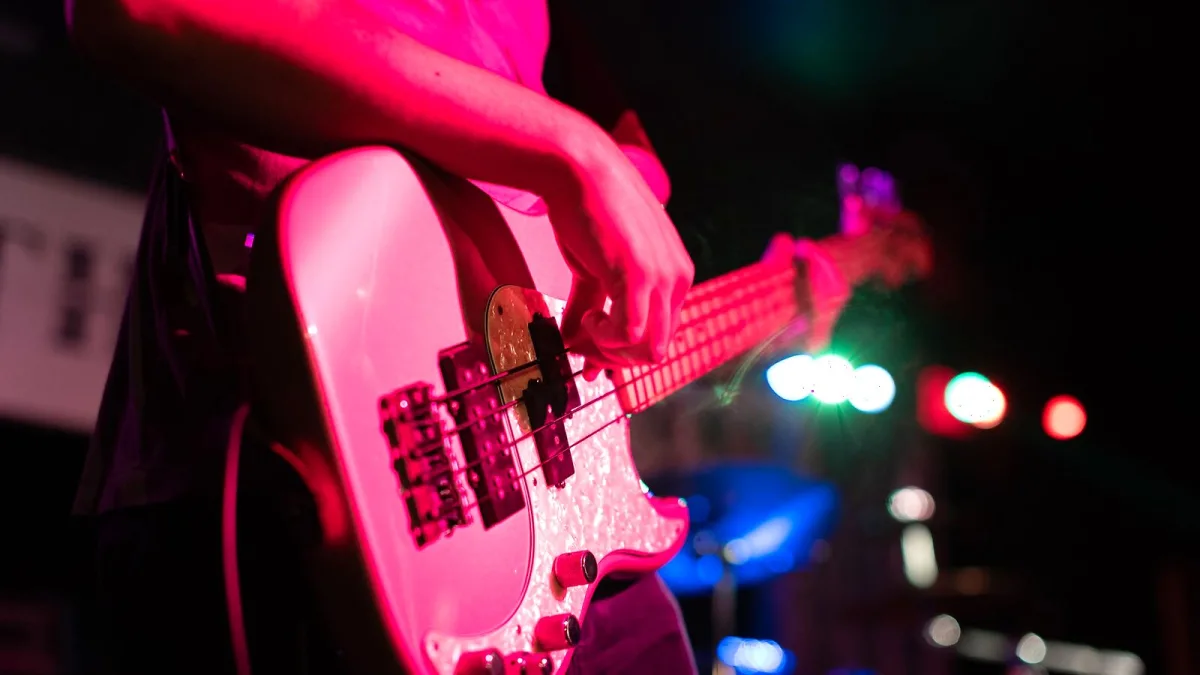
There's a particular kind of bass player who, when you ask what they play, just says "a Yamaha" with a small shrug, like it's the most obvious thing in the world. It usually is. Yamaha bass guitars have spent decades quietly holding down the low end in studios, pit bands and stadium tours alike, without ever needing the mythology that surrounds some other brands. Here's the story of how the range got here, and what actually sits under the bonnet of each family.
Where it all started
Yamaha's first electric bass arrived alongside the SG2 electric guitar, a fairly unglamorous debut — two single-coil pickups, a zero fret, a metal-covered bridge, open-gear tuners. Nothing that would turn heads today. But it set something in motion: a company more interested in getting the engineering quietly right than chasing a single, iconic vintage design. That instinct has shaped every Yamaha bass guitar since.
The BB Series: the one most players picture
Ask a working bassist to picture a Yamaha bass guitar and the BB Series is probably what comes to mind — the BB2000, BB3000 and BB5000 built the reputation, and today's BB400, BB700 and premium BBP34/BBP35 carry it forward. These are traditional, often P/J-pickup instruments built for rock, pop, soul and studio work, and Yamaha still fusses over the details: the top BB models use an Alder/Maple/Alder body, a six-bolt miter neck joint, and a Vintage Plus bridge that strings the instrument diagonally through the body at a 45-degree angle. Premier Guitar's review of the BBP34 singled out exactly that bridge angle as a deliberate way of reducing string stress and improving how vibration transfers into the body — proper engineering thinking, not just a nice-looking detail.
The TRBX Series: the modern all-rounder
If the BB Series is the traditionalist, the TRBX Series is the one built for whatever gig you throw at it. It runs across five families — the 170, 200, 300, 500 and 600 — stretching from genuinely affordable beginner instruments up through active/passive professional models with YGD-designed pickups and Yamaha's Performance EQ, which offers preset tonal modes for fingerstyle, pick playing, slap and solo work. Most sit on a familiar 34-inch scale, and the range includes both four- and five-string options, the five-strings typically running a slightly wider nut for the extra low B string.
The TRB Series: bass for the technically curious
Introduced in 1991, the TRB line was Yamaha's move into serious extended-range territory — its first six-string basses among them. This is where players like John Patitucci come in: Yamaha built him the TRB-JP signature model in 1994, and his fusion and session work helped put five- and six-string electric bass on the map in jazz circles. If you've ever wondered why a bassist would want six strings at all, the TRB's answer is simple — more low end, more high register, more chordal possibility, all without switching instruments mid-set.
Attitude: Billy Sheehan's corner of the catalogue
Then there's Attitude, which isn't really a general-purpose series at all — it's Billy Sheehan's bass, built to Yamaha's interpretation of his own heavily modified touring instrument, nicknamed "The Wife." Sheehan's reputation, from Talas through to Mr Big (whose "To Be With You" topped the Billboard chart in the US and fourteen other countries), is built on aggressive tapping and two-handed technique, and the Attitude's specialised electronics reflect that particular playing style rather than trying to be all things to all bassists.
The wider circle of Yamaha bass players
- Nathan East — decades of association with Yamaha, including touring with Fourplay, bringing the brand into polished studio, pop and smooth-jazz circles.
- Tony Kanal — No Doubt's bassist and co-writer, representing Yamaha's reach into alternative and pop-rock.
- Vincen García — touring with the Spanish funk band Funkiwis since 2014, a reminder that this reputation extends well beyond English-language rock and pop.
BB or TRBX — the quick version
If you only remember one distinction, make it this one: BB leans traditional and tonally focused, TRBX leans modern and versatile. Neither is objectively "better" — they're just built with different players in mind, which is exactly why Yamaha keeps making both. For the specifics of choosing between them, our buyer's guide goes deeper into the electronics, woods and setup checks worth doing before you commit.
The bottom line
What ties the whole Yamaha bass guitar range together isn't a single iconic design — it's a consistency of manufacturing and a willingness to keep refining necks, pickups and bridges rather than resting on one classic shape. Whether you end up with a budget TRBX or a premium BBP34, you're buying into that same quiet engineering habit. If you're just starting out, our beginner's guide is a gentler place to land, and our pick of the best models for the money narrows the whole catalogue down by budget.




Comments