


Yamaha Electric Bass Guitar roundup
The Best Yamaha Electric Bass Guitars for the Money
From a first TRBX174 to the premium BBP34, here's which Yamaha bass guitar actually suits your budget and playing style.
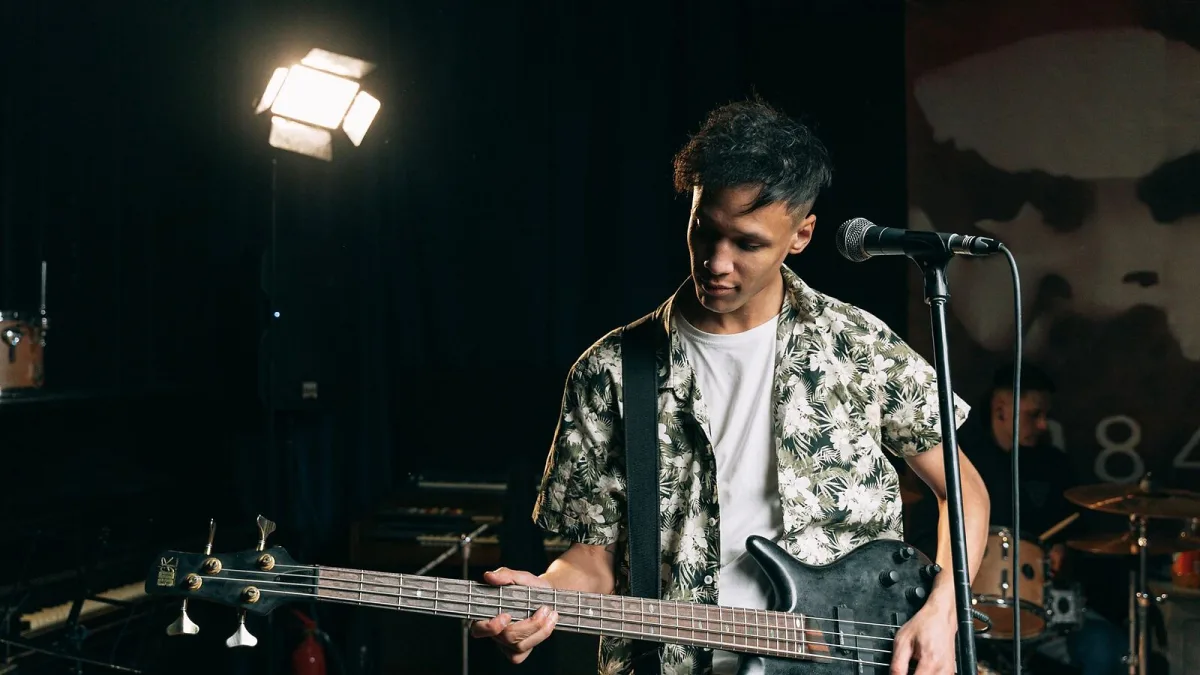
I get asked this a lot at gigs, usually by someone eyeing up my bass player's rig: "which Yamaha should I actually buy?" The honest answer is that it depends entirely on what you're doing with it and how much you want to spend — so here's the range broken down by exactly that, rather than one crowned "best" pick that ignores everyone with a different budget.
If you're spending under a few hundred pounds: TRBX174
This is the entry point into the TRBX Series, and it's a genuinely capable first Yamaha bass guitar rather than a toy to grow out of in a year. Passive electronics keep things simple while you're still learning where everything sits, and the standard 34-inch scale means you're not fighting an unfamiliar feel on top of everything else you're learning.
If you want one bass that does almost everything: TRBX304
This is the one I'd point most gigging musicians towards. It sits in the middle of the TRBX range with Yamaha's Performance EQ, which gives you preset tonal modes for fingerstyle, pick playing and slap — genuinely handy when you're jumping between songs in different styles on the same set list without time to fiddle with knobs between numbers.
If you need real tonal flexibility: TRBX504 or TRBX604FM
Step up again and you're into proper active/passive territory, with three-band EQ and YGD-designed humbuckers doing a lot of the tonal heavy lifting. The 604FM adds a flamed maple top for players who want their bass to look as good as it sounds, though — worth saying — that top is mostly cosmetic rather than a tone-changing feature on its own.
If you want that classic rock and pop tone: BB434
For players who want the traditional Yamaha bass guitar sound rather than TRBX's modern versatility, the BB434 is the accessible way in — P/J-style pickups, a direct, familiar response, and the tonal identity that's made the BB Series Yamaha's flagship traditional line for decades.
If money's no object and you want the best Yamaha makes: BBP34 or BBP35
Made in Japan, these are where Yamaha puts its premium engineering on display: an Alder/Maple/Alder body, a six-bolt miter neck joint, and the Vintage Plus bridge that strings the bass diagonally through the body at a 45-degree angle. Premier Guitar's review singled that bridge design out specifically for how it reduces string stress and improves vibration transfer — this isn't marketing polish, it's a genuinely different piece of engineering from a standard bridge.
If you need five strings: BB435 or TRBX505
Both extend their respective families down to a low B, with the wider roughly 43 mm nut you'd expect for the extra string. The BB435 keeps that traditional tonal character, while the TRBX505 leans into the modern, versatile side of things — pick based on which family's overall character already suits you.
If you're chasing something more exotic: TRB six-string basses
Introduced in 1991, the TRB line was Yamaha's move into serious extended-range territory, home to the company's first six-string basses and the model John Patitucci helped define with his 1994 TRB-JP signature. If you're playing fusion, jazz or anything demanding real chordal range from a bass, this is the family to look at — it's a specialist's choice rather than a first bass.
If you play like Billy Sheehan: Attitude
The Attitude series isn't trying to be a general-purpose bass at all — it's built around Sheehan's aggressive tapping and two-handed technique, drawing on his own heavily modified touring instrument, nicknamed "The Wife." Buy this one because you want that specific approach, not because it's the most famous name in the catalogue.
Picking by budget, at a glance
- First bass: TRBX174
- Do-it-all gigging bass: TRBX304
- Serious tonal flexibility: TRBX504 / TRBX604FM
- Traditional rock and pop tone: BB434
- Premium, no-compromise build: BBP34 / BBP35
- Five-string work: BB435 / TRBX505
- Fusion, jazz, extended range: TRB six-string
- Billy Sheehan-style playing: Attitude
The bottom line
There isn't one best Yamaha bass guitar — there's a best one for you, at the price you're actually prepared to spend. If you want the fuller story behind each family before deciding, our overview guide is a good next stop, and our buyer's guide covers the electronics and build details worth checking before you commit.




Comments