


Yamaha Electric Bass Guitar roundup
Yamaha Electric Bass Guitar: A Complete Buyer's Guide
Everything worth checking before buying a Yamaha bass guitar, from BB vs TRBX to bridge design and battery-powered electronics.
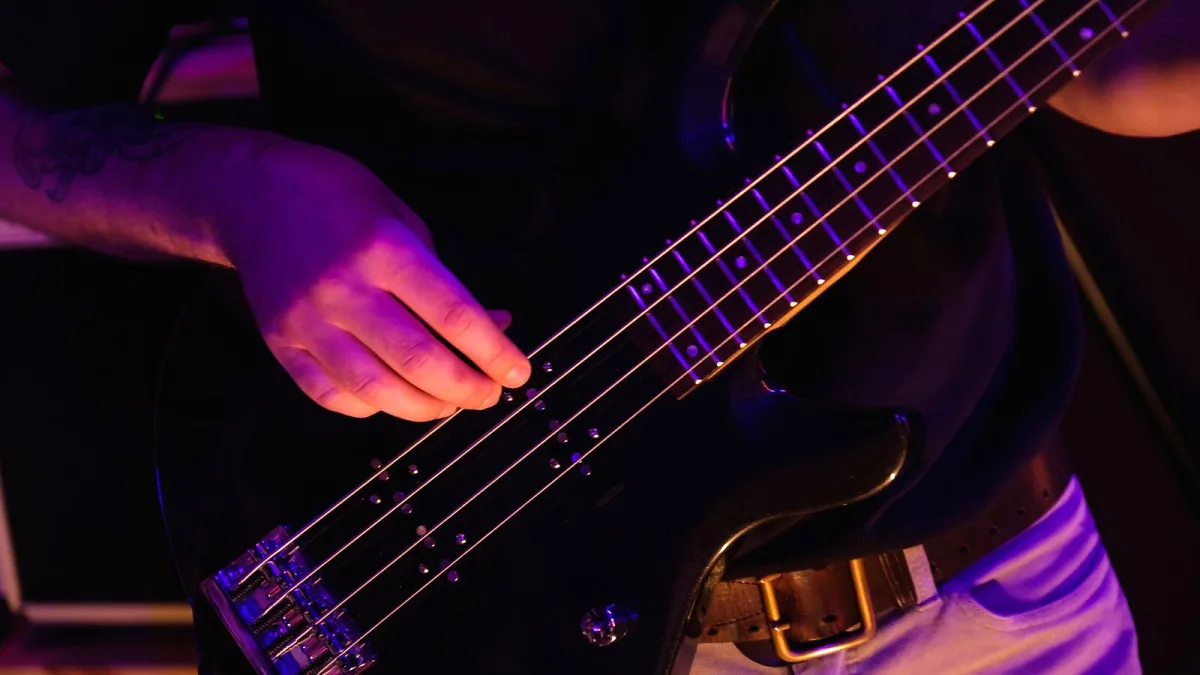
Let's get straight into it — buying a Yamaha bass guitar is a genuinely rewarding process once you know what to look for, picking your way through two very different families, a spread of pickup and electronics options, and a few build details that genuinely change how the thing feels in your hands. Here's what to actually look at before you hand over your money.
Step one: BB or TRBX?
This is the first fork in the road, and it decides most of what follows. The BB Series is Yamaha's traditional line — usually P/J-style pickups, a tonal identity built for rock, pop, soul and studio work. The TRBX Series is the modern all-rounder, spanning five families (170, 200, 300, 500, 600) from proper entry-level instruments up to active/passive pro-spec basses. If you're chasing a classic, direct rock or pop tone, look at BB. If you want maximum versatility for whatever genre gets thrown at you, TRBX is the stronger starting point.
Passive, active, or both?
This one trips up a lot of first-time buyers, so pay attention:
| Type | How it works | Watch out for |
|---|---|---|
| Passive | No onboard preamp — straightforward, direct signal | Simpler controls, no battery needed |
| Active | Onboard preamp with bass/mid/treble boost and cut | Needs a 9V battery — check for a battery-alert LED |
| Active/passive | Switchable between the two | The most flexible, but check the switching is easy to reach live |
Several TRBX models and the BB700 family run true active/passive systems with three-band EQ, which is genuinely useful if you play more than one style. Just remember: a dead battery on an active-only bass means no signal at all, so passive-switchable models are the safer bet if you gig a lot.
Pickups: what's actually under the hood
Yamaha spreads its pickup choices across the range rather than sticking to one formula. BB models mostly run traditional split-coil and single-coil P/J layouts for that familiar, direct rock tone. TRBX models increasingly use YGD-designed humbuckers — YGD being Yamaha Guitar Development, their in-house R&D team — built for a hotter, more contemporary output. Neither is "better" outright; it's about which tone you're chasing.
Scale, spacing and neck feel
Most Yamaha bass guitar models run a standard 34-inch scale, which is the sensible default and keeps you compatible with any long-scale strings you fancy. Nut width shifts with string count — expect around 38 mm on four-strings and roughly 43 mm on five-strings to accommodate the extra low B. If slap or fast fingerstyle is your thing, some five-string TRBX models specify an 18 mm string spacing, which is worth checking if technique matters more to you than raw tone.
Necks vary too: standard bolt-on construction is the norm across most of the TRBX range, with five-piece maple/mahogany necks on selected instruments for extra stiffness, while premium BB models step up to a six-bolt miter neck joint — a genuinely different feel under the hand, tighter and more locked-in.
Bridge design isn't just cosmetic
Top-tier BB basses use Yamaha's Vintage Plus bridge, which strings the instrument diagonally through the body at a 45-degree angle. Premier Guitar's review of the BBP34 called this out specifically as a way of reducing string stress and improving how string vibration transfers into the body — real engineering, not just a fancy look. It's a genuine point of difference over a standard top-loading bridge, so it's worth asking about if you're comparing two similarly priced instruments.
Body wood: useful context, not the whole story
- Alder — the most common Yamaha bass body wood, a balanced, versatile foundation.
- Basswood and mahogany — used on various TRBX models, each shifting weight and resonance slightly.
- Flamed maple tops — mostly a visual upgrade unless substantial enough to affect the whole build; don't buy on looks alone.
- Alder/Maple/Alder — the premium BB construction, paired with the six-bolt neck joint and Vintage Plus bridge for the full top-tier package.
Before you buy: the checklist
Whatever Yamaha bass guitar you're eyeing up, physically check (or ask a seller to confirm): neck relief, action height, intonation, fret condition, nut slots, pickup height, output-jack stability, and — if it's active — the battery compartment and electronics. A well set-up mid-priced Yamaha will outplay an expensive instrument that needs corrective work, every time.
The bottom line
Buying a Yamaha bass guitar comes down to three real decisions: BB or TRBX, passive or active, and how much you value premium touches like the six-bolt neck joint and Vintage Plus bridge. Get those three right and the rest is fine-tuning. For the full family history, see our overview guide, or jump straight to our picks of the best models for the money if you'd rather skip to specific recommendations.






Comments