


Singing Bowl roundup
The Best Singing Bowls for the Money
The right singing bowl for a quiet bedroom practice isn't the right one for a full sound bath. Here's how the market actually splits by tier.

"Best" is a funny word to apply here, because the right singing bowl for a quiet bedroom practice and the right one for a room full of people at a sound bath are genuinely different instruments doing genuinely different jobs. So rather than a single ranked list, let's talk tiers — what changes as you spend more, and which tier actually suits what you're trying to do.
How I'm Approaching "Best" Here
I'm not going to pretend I've bench-tested every bowl on the market, because nobody sensible has, and any list that claims otherwise is guessing. What I can talk about honestly is how construction, material and purpose genuinely change as you move up in price, because that's the part that actually helps you choose.
Entry Tier: Simple Singing Bowl Options in Metal and Aluminium
At the accessible end, you'll mostly find lighter, modern metal or aluminium construction. These tend to sound brighter and more direct than heavier traditional alloys, and they're a genuinely sensible way to find out whether the whole idea suits you before spending more. They're also easy to carry, which matters if your practice moves around with you — a yoga bag, a desk drawer, a bedside table.
Mid Tier: Hand-Finished Himalayan-Style Bowls
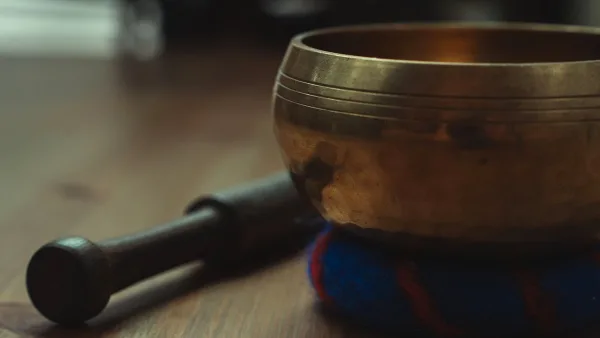
Move up and you'll find a singing bowl that's hammered or cast from a metal alloy and hand-finished, giving a more complex, layered set of overtones and a warmer, earthier character than the entry-level pieces. This is where a lot of dedicated meditation practitioners settle, because the sound has real depth without moving into specialist sound-bath territory.
Crystal Tier: Frosted and Clear Quartz
Crystal bowls are a genuinely different proposition rather than simply a pricier metal bowl. Frosted quartz bowls are made from crushed quartz heated to very high temperatures, giving a clear, sustained, strongly projecting tone; clear quartz bowls go through a similarly demanding process and tend to sound brighter and more glass-like still. Both are popular for group sound baths, where projection across a room matters more than the intimacy of a solo session.
Specialist Tier: Sound-Bath and Studio Equipment
At the top sits equipment built specifically for professional sound-bath work or serious recording, from specialist manufacturers such as Meinl, Paiste and Peter Hess. This tier is really about consistency, tuning accuracy and durability under repeated professional use, rather than any single dramatic leap in sound quality over a good mid-tier bowl. Unless you're running sessions for other people or recording commercially, it's not where most buyers need to be.
Which Tier Actually Suits You
| You are… | Look at |
|---|---|
| Curious and just want to try one | Entry-level metal or aluminium bowls |
| Building a regular personal practice | Hand-finished Himalayan-style bowls |
| Running or attending group sound baths | Frosted or clear quartz crystal bowls |
| Working professionally or recording commercially | Specialist sound-bath and studio equipment |
For the checks worth making at any tier — stability, rim condition, how it responds to its mallet — our complete buyer's guide goes through the detail properly.
Don't Let Price Alone Decide
A more expensive singing bowl isn't automatically a better fit for you. A gorgeous crystal bowl bought for a solo bedtime practice is arguably the wrong purchase, however lovely it sounds in the shop, if what you actually needed was something small and portable. Match the tier to the use, not the other way round.
If you're still getting your head around what actually makes one bowl sound different from another, our explainer piece is worth reading first, and once you've chosen, our beginner's guide will get you actually playing it properly.
My Honest Take
If you're new to all this, start at the entry or mid tier and let your own practice tell you whether you need more. Most people find their needs plateau far earlier than the market wants them to believe, and a well-chosen mid-tier bowl will serve a genuine daily practice for years.



Comments