


Singing Bowl roundup
Singing Bowl: A Complete Buyer's Guide
It's easy to fall for a singing bowl before you've worked out what you actually need. Here's how to buy one you'll genuinely use.
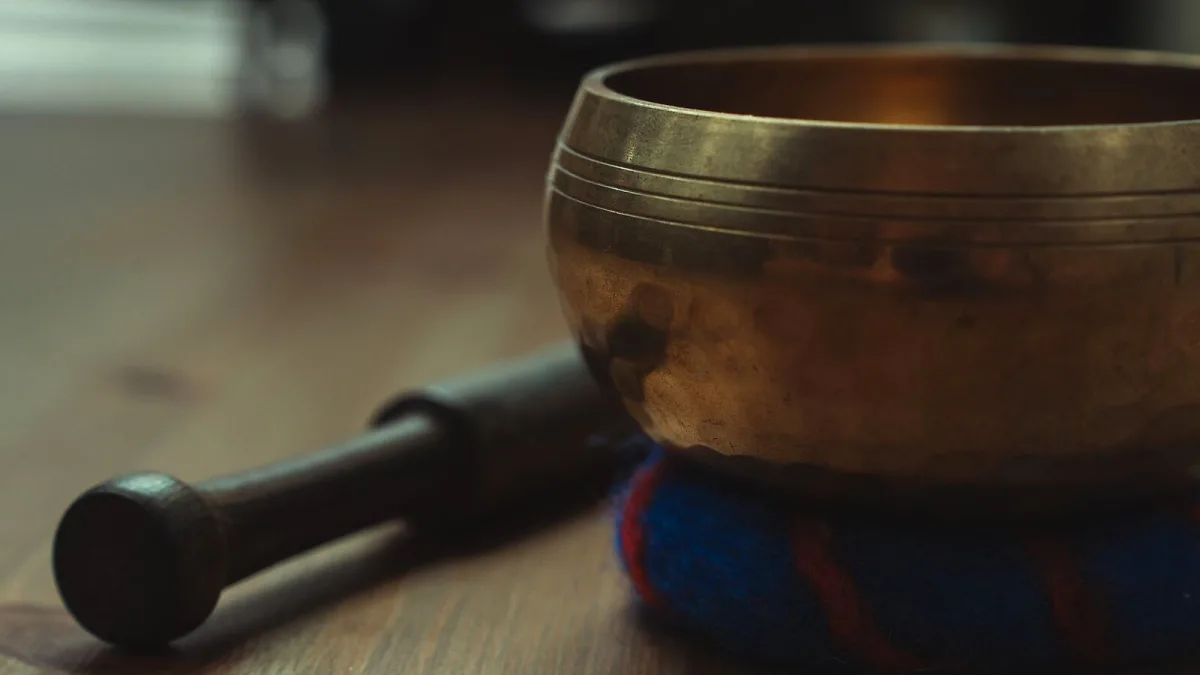
There's something lovely about choosing a singing bowl, an instrument that's meant to be sat with quietly rather than practised at volume, and I think that's exactly why people fall for one so easily — sometimes a little too easily, before they've really thought about what they need. Let's slow down and go through it properly, so you end up with something you'll actually use.
Decide What You Actually Need It For
Be honest with yourself here, because it changes everything else on this list:
- Personal meditation practice — you'll want something small, portable and gentle enough for a quiet room.
- Group sound baths or classes — you'll need more projection and sustain, and possibly more than one bowl.
- Recording or performance — tone consistency and how it sits with a microphone matter more than portability.
None of these needs are more "authentic" than the others. Buy for how you'll actually use it, not for how it looks on a shelf.
Metal or Crystal Singing Bowl? Let Your Ears Decide
Metal, Himalayan-style bowls tend to give you complex, layered overtones and a warmer, earthier tone. Crystal bowls, made from quartz formed at high temperature, generally offer a clearer, more focused sound with stronger projection. Neither is objectively better; they're genuinely different instruments that happen to share a name. If you can, listen to both types in person before deciding, because a recording never quite captures how a bowl feels in a room.
Don't Let a Pitch Label Make the Decision for You
You'll see bowls marketed by note name or by an associated chakra, and it's tempting to shop that way. I'd gently push back on that. Retail pitch labels are often approximate, and the note you actually perceive may not even match the bowl's strongest overtone. Buy the sound you genuinely respond to, not the label printed on the box.
A Practical Checklist Before You Buy
| Check | Why it matters |
|---|---|
| Listen in person if possible | Individual bowls vary considerably, even within the same "type" |
| Check the rim for chips or cracks | A safety issue, especially with crystal bowls |
| Check it sits stably without wobbling | Affects both safety and how easily it plays |
| Try the mallet that comes with it | A bowl that responds easily to its own mallet is easier to live with day to day |
| Question "ancient," "seven-metal," "Tibetan" | These terms aren't interchangeable and rarely come with real documentation |
Size and Sustain
As a rough rule, a larger bowl generally gives you a lower pitch and longer sustain, while a smaller one is more portable and easier to handle for personal practice. If you're planning to record it closely with a microphone, it's worth testing that specific setup too — a bowl that sounds balanced across a room can throw up harsher upper partials at close range.
New, Vintage or Handmade?
A lot of sellers lean hard on "ancient" or "vintage" language when describing a singing bowl, and a hand-hammered finish alone doesn't prove age, origin or ritual history. That's not a reason to avoid handmade bowls — many are genuinely lovely instruments — just a reason to buy them for the sound and craftsmanship in front of you, rather than for a backstory you can't actually verify.
If you'd like the full picture on types and price tiers before you commit, our round-up by budget is worth reading alongside this, and our explainer piece covers the acoustic basics in a bit more depth if any of this terminology is new to you.
Before Your First Session
Once you've chosen one, it's worth reading up on both how to actually play it and the common mistakes newcomers make, particularly around safe volume and distance from your ears.
My Honest Take
Buy the singing bowl whose sound genuinely moves you, one that's structurally sound and priced fairly for what it is. Skip the pressure to find something "authentic" above all else — the right singing bowl is simply the one you'll actually want to sit with.




Comments