


Oud Instrument article
Oud Instrument for Beginners: A Complete Guide
No frets, a deep bowl-shaped body and a plectrum instead of bare fingers, broken down into steps that actually make sense for a complete beginner.
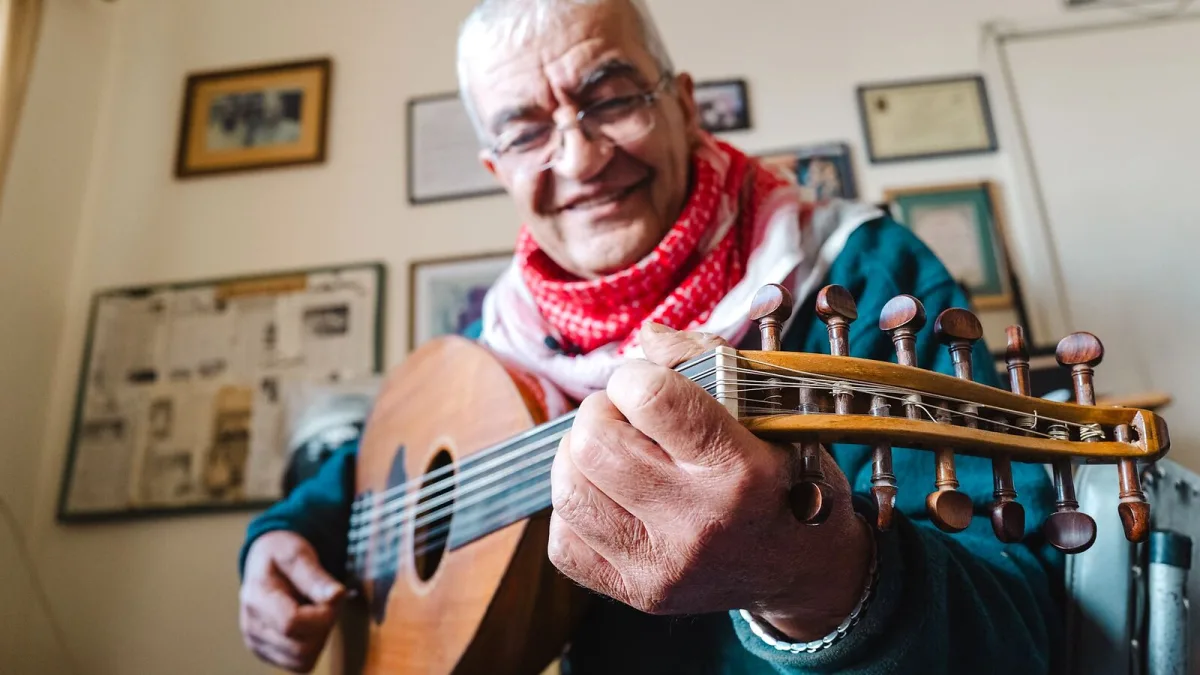
Starting the oud can feel a little daunting precisely because it looks so different from what most beginners expect on any instrument, no frets, a deep bowl-shaped body, a plectrum instead of bare fingers. Let's take it apart calmly, piece by piece, so you know exactly what you're building towards from your very first session.
What Makes It Different From What You Might Expect
If you've ever picked up a guitar, the biggest surprise will be the fretless neck. There's nothing to tell your finger it's landed on the "right" spot, which means your ear, not your eye, becomes your main guide from day one. That sounds intimidating, but it's also exactly why the instrument can produce such expressive slides and bends, and most beginners adjust to listening more carefully far sooner than they expect.
Choosing Your First Instrument and Tradition
Before your first lesson, it helps to know roughly which tradition you're heading towards, Arabic or Turkish are the two most common starting points, since they differ in size, tuning and typical repertoire. A teacher can guide this decision properly, but going in with some sense of what you're drawn to makes that first conversation much more useful. For a beginner's first oud, reliability and playable geometry matter far more than decoration, so don't be swayed by an especially pretty rosette over a well-set-up plainer instrument.
Getting Comfortable: Posture and the Plectrum
Sit with the oud resting securely in your lap, with clear access to the strings and enough space for your picking arm to move freely without straining. You'll play with a long, flexible plectrum, a risha or mızrap depending on tradition, held between thumb and first finger rather than gripped tightly. A relaxed grip matters more than people expect; tension in the hand makes both tone and control noticeably worse, and it's one of the easiest habits to fix early before it becomes ingrained.
A Simple First Practice Routine
- Check the oud's tuning carefully before you begin, a fretless instrument makes any tuning drift obvious immediately.
- Warm up with slow, alternating plectrum strokes across a single open string.
- Practise moving between two adjacent strings at a steady, unhurried tempo.
- Introduce simple left-hand fingering on one string, focusing on clean, even pressure.
- Combine both hands slowly on a short phrase your teacher has given you.
- Finish on something that already feels comfortable, ending well builds confidence for tomorrow.
Common Beginner Questions
"Why does my pitch sound slightly off even when I'm careful?" This is completely normal on a fretless instrument, and it improves steadily with ear training rather than overnight. "How tightly should I hold the plectrum?" Loosely enough that it can flex against the string, a rigid grip usually makes the tone harsher rather than stronger. "Do I need to learn Arabic or Turkish notation?" Not immediately, many beginners start by ear or with simplified notation before moving towards the fuller system their teacher uses.
What to Expect in Your First Month
Don't measure yourself against the recording that first drew you to the oud, that comparison helps no one and it isn't fair to where you actually are. In the first month, aim for clean, even plectrum strokes and left-hand pressure you can control roughly rather than perfectly. Progress on the oud tends to arrive in small, almost invisible steps, so judge yourself against last week rather than against years of someone else's practice.
Finding the Right Teacher
Because the technique and repertoire are genuinely distinct from Western string instruments, it's worth seeking out a teacher who plays and teaches the instrument specifically, rather than someone adapting general guitar or violin teaching on the fly. A good teacher will also help confirm your own oud is properly set up, which matters more for a beginner than most people initially realise.
When You're Ready to Learn More
Once the basics feel steady, our fuller explainer on how it works covers the history and construction in more depth, and the complete buyer's guide is there for when you're ready to think about upgrading. Curious what's available at different price points? The best oud instruments for the money breaks that down by tier.
The Reassuring Bottom Line
Every experienced oud player once had an unsteady hand and a slightly wobbly pitch. Take the fretless neck seriously, be patient with your ear rather than rushing it, and build your first few weeks around small, steady steps. That's genuinely enough to get moving properly, and confidence really does follow.




Comments