


Kalimba roundup
The Best Kalimbas for the Money
Rather than crown a single winner, here's what genuinely changes as kalimba prices climb, tier by tier, so you can spend where it counts.
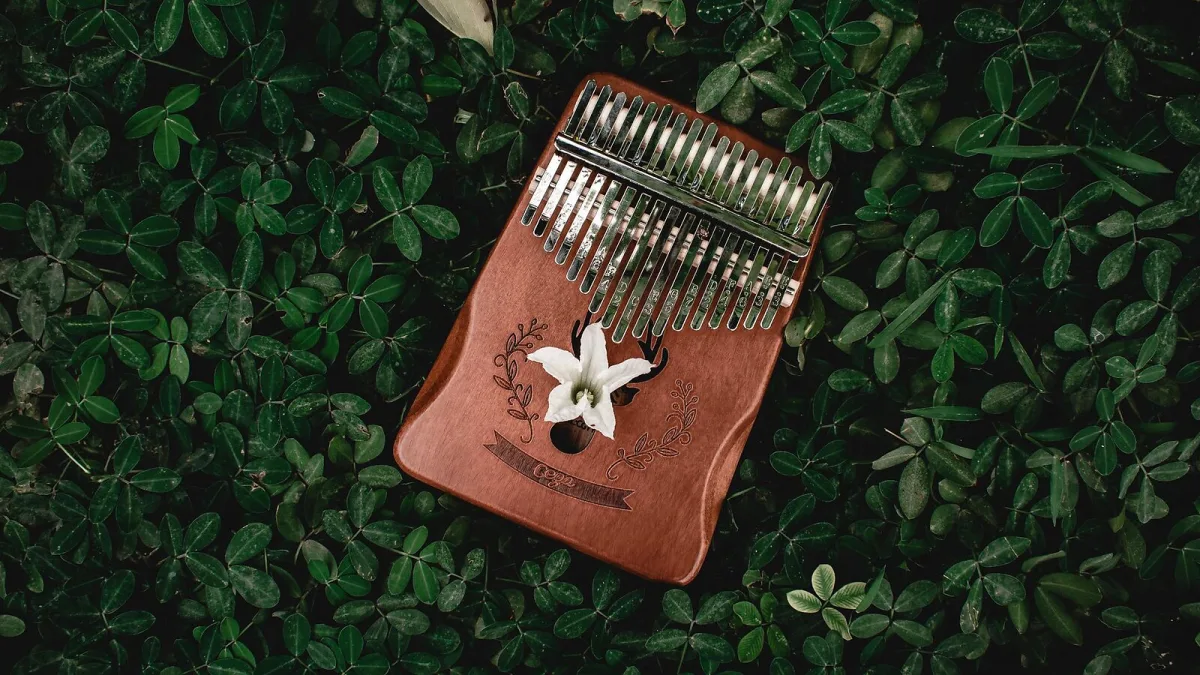
Ask ten kalimba players which one is "the best" and you'll get ten different answers, most of them shaped by what they were playing when they fell for the instrument in the first place. Rather than crown a winner that won't suit half our readers, this is a walk through the tiers of the market — what you genuinely get as the price climbs, and where the money stops buying anything that matters.
What "Best" Actually Means Here
There isn't enough independently verified testing out there to responsibly rank individual current models by name, and frankly, a lot of what passes for a "best kalimba" list online is dressed-up affiliate marketing. What we can do honestly is set out the categories of instrument on the market, what separates a good one from a poor one within each tier, and who each tier genuinely suits. Judge any specific listing against build quality, tuning accuracy and after-sales support rather than the price tag alone.
Entry Level: Where Most People Should Start
The bulk of newcomers land, correctly, on a 17-key diatonic kalimba in C major with a simple hollow wooden body. At this level, the differences between makers usually come down to how consistently the tines are tuned at the factory and how smooth the edges feel, rather than any dramatic difference in tone. A good entry-level kalimba, checked properly, will sound just as pleasant as something twice the price for the first year or two of playing. Our buyer's guide covers exactly what to check before handing over your money at this level.
Mid-Range: What You're Actually Paying For
Step up a tier and the improvements get more specific: better wood selection and finishing, tighter tolerances on the bridge and tine seating, and often a nicer case or a proper tuning hammer included rather than sold separately. Some mid-range instruments also start offering an alto (15-key) option alongside the standard treble tuning, which is worth considering if you'd like a lower, mellower voice in your collection. This is also where you'll find the first genuinely well-integrated pickup systems, for anyone planning to record or perform.
Premium and Specialist Instruments
At the top end sit larger, extended-range designs with more than the standard seventeen tines, sometimes stretching toward chromatic tunings, along with premium acrylic bodies and hand-finished wooden instruments built by smaller makers. These suit players who already know exactly what they want — a wider melodic range, a particular aesthetic, or a specific tone for recording — rather than someone picking up their first kalimba. Buying at this level without having played a standard model first is, more often than not, money spent on capability you're not yet using.
Wood Versus Acrylic, Tier by Tier
| Tier | Typical wood option | Typical acrylic option |
|---|---|---|
| Entry | Basic hollow-body, decent tone, variable finish | Often thinner-sounding, chosen mainly for looks |
| Mid-range | Better wood selection, tighter build | More considered construction, genuine tonal character |
| Premium | Hand-finished, carefully selected timber | Purpose-built for sustain and projection, not just novelty |
Buying Second-Hand
A used kalimba can be excellent value, since the instrument has no moving electronics to wear out and a solid wooden or acrylic body ages well if it's been looked after. Ask the seller how it's been stored — humidity swings are the main enemy — and check photographs closely for rust on the tines or cracks near the bridge. A kalimba that's drifted out of tune isn't a problem in itself; every tine can be brought back with a tuning hammer and a little patience. Structural damage or a warped soundboard is a different matter and worth walking away from.
When It's Worth Upgrading
The clearest sign you've outgrown an entry-level kalimba isn't boredom, it's frustration — reaching for notes the layout doesn't have, or wanting a tone the body simply can't deliver. If neither applies yet, a second kalimba won't fix anything a bit more practice wouldn't. If you've genuinely hit a ceiling, that's the point to look at an alto tuning, an extended-range design, or a pickup-equipped model suited to what you're actually trying to do.
What to Check Regardless of Tier
- Every tine in tune against a chromatic tuner, not just the maker's word.
- A firm, rattle-free bridge — give it a gentle shake before you trust it.
- Smooth tine edges, whatever the price point.
- Honest reviews that mention actual playing experience, not just unboxing photos.
- A sensible returns policy, since tuning issues sometimes only show up after a week of playing.
If you're newer to the kalimba entirely, our beginner's guide and our overview of how the instrument works are worth reading before you spend anything at all.
The Bottom Line
The "best" kalimba for you is the one that's honestly tuned, comfortable in your hands, and pitched at a tier that matches what you actually want to do with it. Buy for your own playing, not for a number on a review site, and once it arrives, our guide to setting it up properly will get you off to a decent start.



Comments