


Kalimba roundup
Kalimba: A Complete Buyer's Guide
Key counts, body materials and price tags can make buying a kalimba feel confusing. Here's what genuinely matters, in the order to think about it.
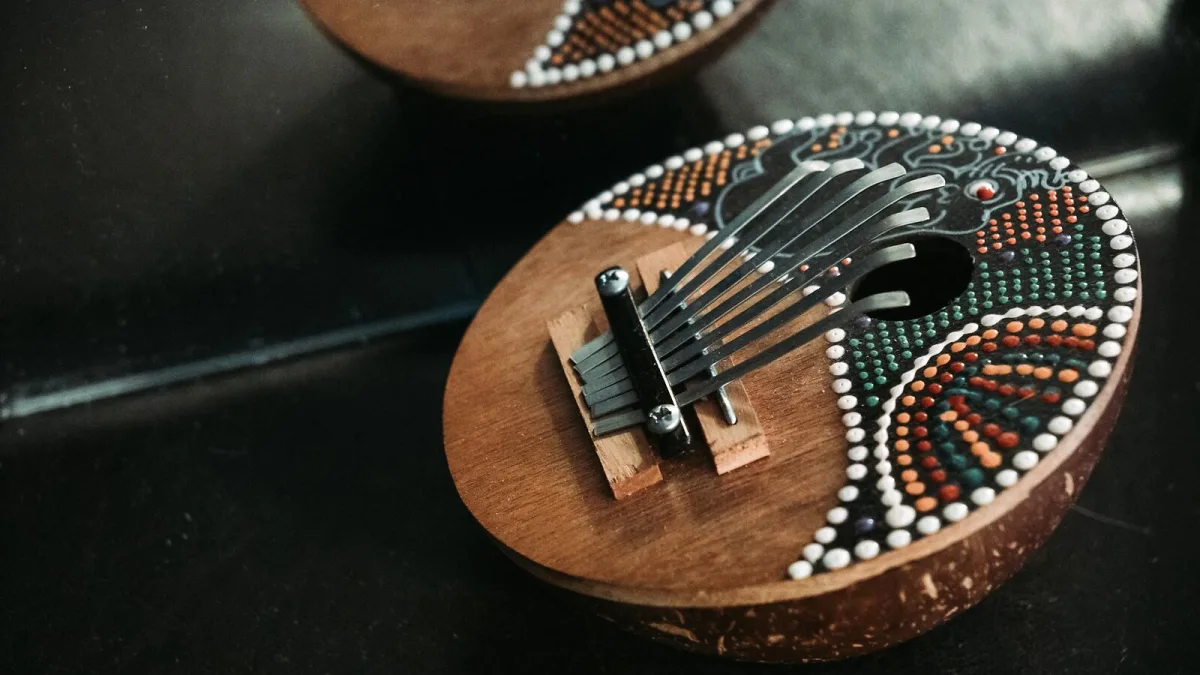
Buying your first kalimba should be a happy little errand, not a minefield — but scroll through a few listings and you'll meet a wall of key counts, body materials and price points that all promise the same thing. Slow down. Here's what actually matters when you're choosing one, in the order it's worth thinking about it.
Start With the Key Count
The single biggest decision is how many tines you want under your thumbs. A 17-key diatonic kalimba, tuned to C major, is the standard starting point, and for good reason — it covers a full octave and a bit either side, which is enough range for most folk melodies, film themes and the endless stream of arrangements you'll find online. A 15-key "alto" kalimba sits a register lower and suits a slightly mellower voice. Instruments with far more keys exist, sometimes stretching into chromatic territory, but they ask more of your hands and your ear before they pay that investment back. If you've not played one before, our beginner's guide makes the case for starting simple.
Wood, Flatboard or Acrylic?
The body does more than decorate the kalimba — it shapes the tone.
| Body type | Tone | Best suited to |
|---|---|---|
| Hollow wooden body | Warmer, rounder, more acoustic projection | Playing unamplified in a room |
| Flatboard ("celeste") | Direct, percussive attack, less natural volume | Close-miked recording, layering |
| Acrylic | Bright, often marketed for looks and sustain claims | Players who want something visually distinctive |
Treat sustain and tone claims for any particular material with a little scepticism until you've heard the actual kalimba, ideally in a video review rather than a studio-polished advert. Construction quality varies more within a category than between them.
Checking Build Quality Before You Commit
Whatever style catches your eye, a handful of build details separate a good kalimba from a frustrating one:
- Tine edges should feel smooth against the pad of your thumb — rough or sharp metal is a genuine problem, not a quirk you'll grow used to.
- Bridge and tine seating should be firm; give it a gentle shake and listen for rattling hardware.
- Tuning accuracy matters more than the box's claim of "C major" — a proper listing or seller will confirm each tine has been checked, not assumed correct at the factory.
- Note markings (stickers or engravings) help enormously while you learn the layout, and most can be peeled off or ignored later.
- Fit in the hands — the body should sit comfortably without your fingers straining to reach round the back.
Do You Actually Need a Pickup?
Pickup-equipped models exist for recording, live performance and effects processing, and they're a genuinely useful option if that's your plan. But a pickup adds cost and, on some builds, a little extra weight and complexity, for a feature that a decent microphone can cover just as well if you're only recording occasionally at home. Buy amplification because you need it, not because the listing made it sound essential.
What Should Come in the Box
A fair starter package usually includes a tuning hammer for making small pitch adjustments, some form of soft case or bag for transport, and at least basic instructions or a note chart. None of these are dealbreakers on their own, but their absence is worth factoring into the price — you'll likely need to buy a tuning hammer separately if one isn't supplied, and it's an awkward tool to improvise.
Setting a Sensible Budget
You don't need to spend a great deal to get a genuinely playable first kalimba, and past a certain point you're largely paying for finish, materials and included accessories rather than a dramatically different playing experience. Where the money tends to matter most is tuning accuracy and tine quality straight out of the box — the areas a cheaply made instrument cuts corners on first. Our roundup of the best kalimbas for the money breaks this down tier by tier if you want a clearer steer on where to spend and where to save.
The Bottom Line
Buy on key count, build quality and honest tuning — in that order — and you'll end up with a kalimba that still feels good to pick up in a year's time. For a fuller picture of how the instrument works before you buy, our explainer on kalimba features and types is worth a read, and once it arrives, our guide to setting it up and using it covers the first steps properly. It's also worth a glance at the common mistakes buyers make, before you make one of your own.



Comments