


Harp roundup
The Best Harps for the Money
No fake benchmarks here — just an honest, tier-by-tier look at which harps genuinely suit which player, and where your money is best spent at each level.
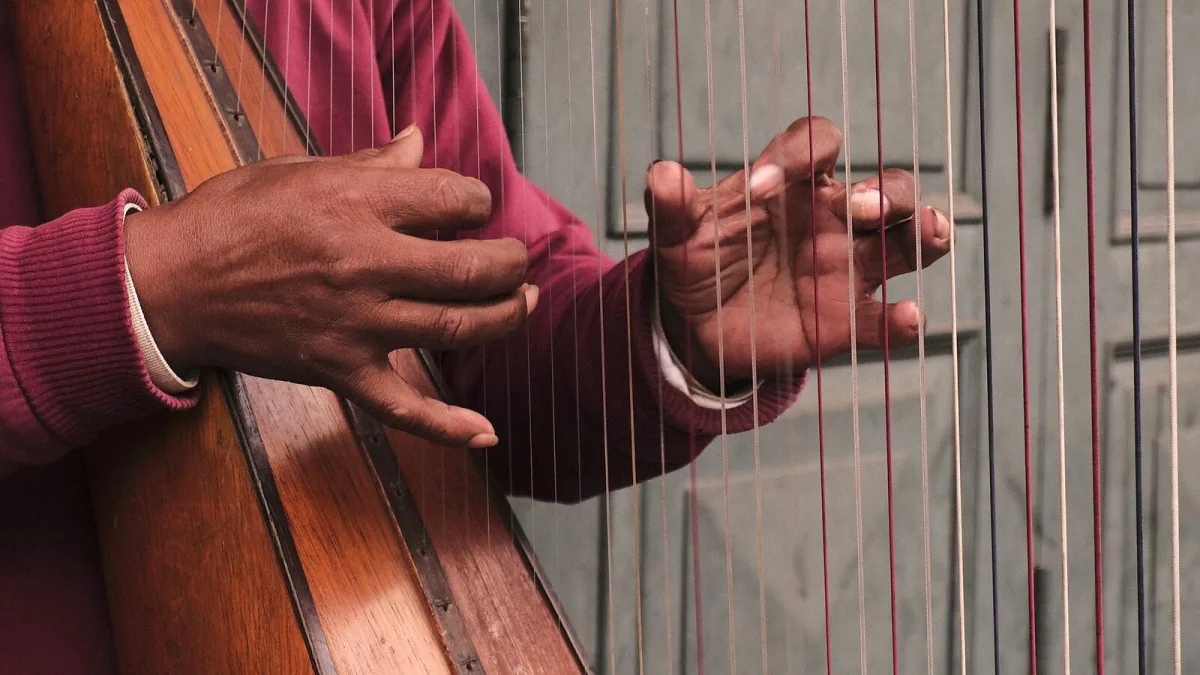
“Best” is a slippery word when you're talking about harps this varied, so let's be upfront about what it means here: not a single winner, but the right tier of harp for the player you actually are. There's no honest way to name individual models without hands-on testing, so instead we'll walk through the categories — from a first lever purchase to a full concert setup — and what genuinely separates good value from a false economy at each level.
How We're Judging “Best” Here
Value, not just price. Cheap harps that won't hold a tune, or mid-range harps bought for repertoire you'll never actually play, are poor value however little they cost. The categories below are built around who each tier genuinely suits — a nervous beginner, a working folk musician, a traveller, or a player heading towards orchestral repertoire — rather than a chart of numbers with no context behind it.
Entry-Level: Best Harps for Absolute Beginners
At this level, look for entry-level lever harps with nylon strings, a reliable set of levers and a manageable string count — typically towards the lower end of the 22-to-38 range common among smaller instruments. Nylon strings are forgiving in a centrally heated flat, hold tune reasonably well, and won't punish early mistakes the way a temperamental gut-strung set might. Reliability matters more than range at this stage; a smaller, well-built harp beats a bigger, poorly finished one every time.
Mid-Range: Best Harps for Folk and Session Players
Once you're playing regularly, mid-range lever harps with a wider range — closer to the 34-to-38 string mark — open up more repertoire without pushing you towards pedal-level cost or weight. This tier is where build quality on the levers themselves starts to matter a great deal: ones with levers that slip under pressure mid-session are far more frustrating to own than ones with a slightly smaller string count. Solid wood construction and well-regulated levers are worth paying for here.
Best Harps for Portability
Lap and travel-sized harps trade range for convenience, and for a lot of players — buskers, session regulars, anyone without a car — that trade is entirely worth it. Expect a shorter octave range and a lighter frame designed to survive being carried rather than kept permanently in one room. A soft case built specifically for the model, rather than a generic cover, earns its keep quickly at this size.
Best Harps for Orchestral Ambition
Pedal harps with the full seven-pedal double-action mechanism — the system that traces back to Sébastien Érard's 1810 patent — are a serious, long-term investment, and they only earn their keep if pedal repertoire is genuinely where you're headed. At around 47 strings and six and a half octaves, harps at this level demand proper transport planning, a dedicated technician relationship and a stable room to live in. This tier is not a “best value” purchase for a casual player, however well built.
New or Secondhand at Any Tier
A secondhand instrument at any level can beat a new one on value, provided a technician has actually inspected the mechanism, the soundboard and the tuning pins first. An unchecked bargain is rarely a bargain once you've paid for the repairs it needed all along. New instruments come with the reassurance of a warranty and a proper setup from day one, which is worth something in itself, especially for a first purchase.
Longevity: What “Value” Really Buys
A well-built instrument, properly maintained, can easily outlast a decade of playing and several changes of repertoire. That's the real argument for spending sensibly rather than chasing the absolute cheapest option: a solid mid-tier purchase that lasts fifteen years works out far better value than three false starts on something unreliable. Think in terms of cost per year of playing, not just the number on the price tag.
Well-Regarded Names to Research
Specific model recommendations age quickly and vary by market, but several manufacturers have earned a long-standing reputation across different tiers: Lyon & Healy and Salvi at the concert end, Camac across both lever and pedal ranges, and folk-focused specialists such as Dusty Strings and Stoney End. Treat any list like this as a starting point for your own research and a trial, not a substitute for playing the instrument yourself.
Where to Spend, Where to Save
| Area | Worth spending on | Fine to economise |
|---|---|---|
| Levers or pedals | Reliability and smooth action | Cosmetic finish |
| Strings | Correct material for your playing style | Brand, once the gauge and material match |
| Case or cover | A well-fitted, protective option | Extra padding you'll never use |
| Tuning tools | A key that suits your model exactly | Bundled accessories you already own |
String Choices Worth the Extra
Nylon remains the sensible, budget-friendly default across most tiers of harp. Where it's worth spending more is on carbon fibre for improved stability in a home with variable heating, or a small number of wire strings if you're specifically chasing the brighter, sustained tone associated with wire-strung harps. Gut is a genuine upgrade in tone on concert-level harps, but its sensitivity to humidity makes it a poor first choice for beginners still learning to look after an instrument.
Whichever tier fits, the honest test of value is simple: does it suit the music you actually want to play, and will it still suit you in two years' time? For the full mechanics behind these categories, our explainer on how the instrument works fills in the detail, our buyer's guide covers what to physically check before you pay, and if you're brand new to all this, our beginner's guide is the friendlier starting point.



Comments