


Harp article
Harp for Beginners: A Complete Guide
Nervous about starting the harp? Here's the reassuring, unhurried truth about your first instrument, your first lessons and your first shaky months.
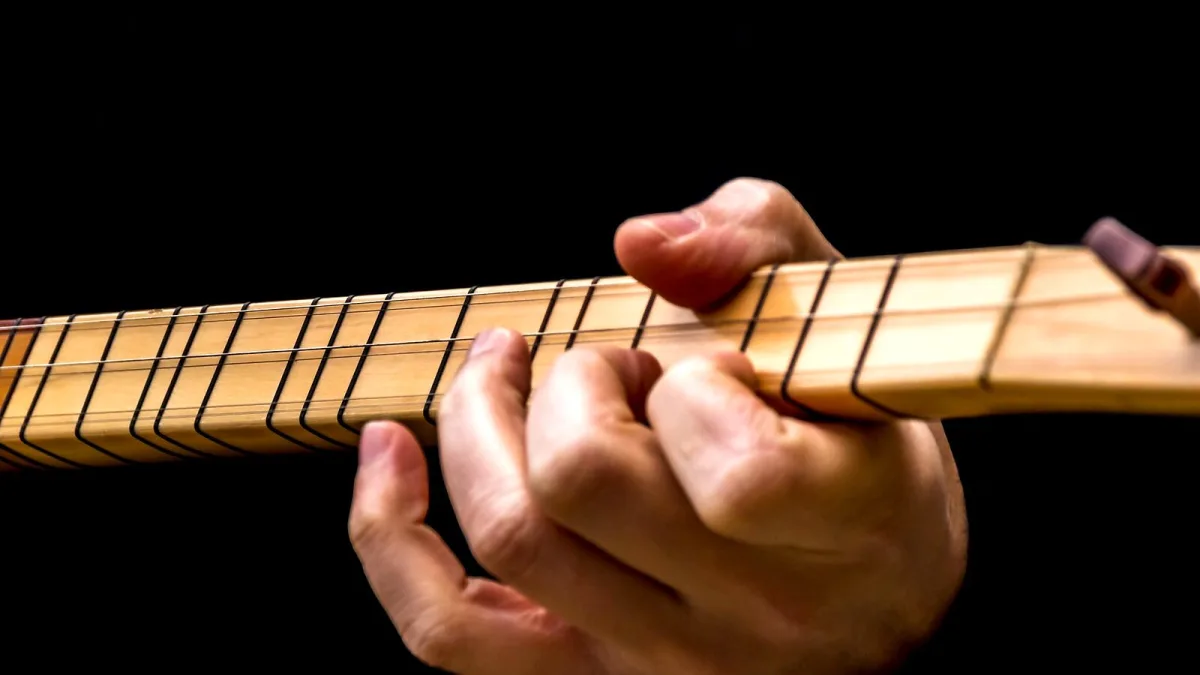
If you've ever watched someone play a harp and assumed it takes years of training just to make a decent sound, take heart: the basics come together faster than the harp's size and elegance suggest. This guide is for the person standing at the very start — unsure which harp to try, nervous about lessons, and wondering whether their hands are even the right shape for it. They almost certainly are.
Is It Really as Hard as It Looks?
Not at first, no. The satisfying part of starting out is that a single plucked string on a harp sounds warm and complete on its own — you don't need chords or speed to make something that sounds like music. What takes longer is the quiet stuff: controlling how long a note rings, coordinating both hands, and building the small hand strength that any harp demands. None of that requires natural talent so much as patience, which is a far more learnable quality.
Your First Decision: Almost Always a Lever Harp
Beginners very rarely start on a full concert-sized instrument, and that's not a compromise — it's simply the sensible route. A lever harp is lighter, changes pitch with a small hand-operated lever rather than a foot pedal, and suits folk, singing accompaniment and general playing beautifully. Save the seven-pedal concert route for later, once you know for certain that orchestral repertoire is actually where your interest is heading. Trying to skip straight to the bigger harp rarely helps; it mostly adds cost and awkwardness before you've learned what you actually enjoy playing.
Finding a Teacher Early Is Worth It
Unlike a guitar or a keyboard, this isn't an easy instrument to bluff your way through from videos alone — posture, hand position and damping technique are much easier to learn correctly the first time than to unlearn later. A local teacher, even for a handful of early sessions, will save you months of practising small mistakes into habits. Many teachers can also point you towards a rental harp, which is a sensible way to begin before committing to a purchase.
Sitting, Holding and Plucking: The First Physical Habits
Good technique starts before you even pluck a string:
- Sit upright with the frame resting against your shoulder or body, exactly as your teacher or the maker's guide shows for your particular harp.
- Keep your hands relaxed, fingers naturally curved rather than flat or rigid.
- Use your thumb and first three fingers — standard technique leaves the little finger out of it entirely.
- Pluck with the fingertip, closing gently towards the palm rather than yanking the string outward.
- Practise damping — resting a hand against ringing strings — from the very first lesson, since notes carry on sounding far longer than you'd expect.
Building a Practice Habit That Actually Sticks
Short, regular sessions beat long, occasional ones every time. Fifteen focused minutes most days will get you further than an exhausting hour once a week, especially while your hands are still building strength and memory. Simple scales, rolled chords and slow arpeggios are unglamorous but genuinely effective early practice — resist the urge to skip ahead to pieces that are still a stretch too far.
Common Worries, Answered Honestly
- “My hands are too small.” Harps come in a wide range of sizes specifically because hands and reach vary; a good teacher will help you find one that fits.
- “I'll never afford a good one.” Renting first is entirely normal and lets you learn on a properly maintained instrument without a big upfront outlay.
- “I don't read music.” Plenty of folk repertoire is taught by ear, and reading notation can follow once you're comfortable holding the harp.
What a First Lesson Usually Covers
Most first sessions focus on posture, hand shape and the very basics of damping rather than repertoire. A teacher will typically check that the instrument fits you properly, confirm your sitting height, and set achievable goals for the first month rather than throwing you straight into pieces. It's completely normal to spend several weeks on nothing but open strings, simple scales and getting comfortable before a recognisable tune appears — that groundwork is what makes everything afterwards easier, not a waste of time.
A Note on Cost While You're Learning
You do not need to own anything expensive to find out whether the harp suits you. Renting is common precisely because it removes that pressure, and a properly set-up rental will feel just as playable as many entry-level purchases. Hold off on buying until you and a teacher agree it's the right time — by then you'll also know far more about which size and type actually fits how you play.
What to Expect in Your First Year
Expect early frustration with keeping strings damped, a genuine leap in confidence around the three-to-six-month mark once your hands know their way around, and a slow but real widening of repertoire after that. Tuning will feel fiddly at first and become second nature surprisingly quickly. Progress on the harp tends to arrive in small daily gains rather than sudden breakthroughs, which is exactly why the players who stick with it tend to be the patient ones, not necessarily the naturally gifted ones.
Once the basics feel steady, our full explainer is a good next read for how the instrument actually works, our buyer's guide will help when renting turns into buying, and our round-up of options by budget is worth a look once you know roughly what you're after.


Comments