


Dulcimer roundup
Dulcimer: A Complete Buyer's Guide
Two instruments share the name, several tunings and a lot of jargon. Here is what genuinely matters before you buy one.
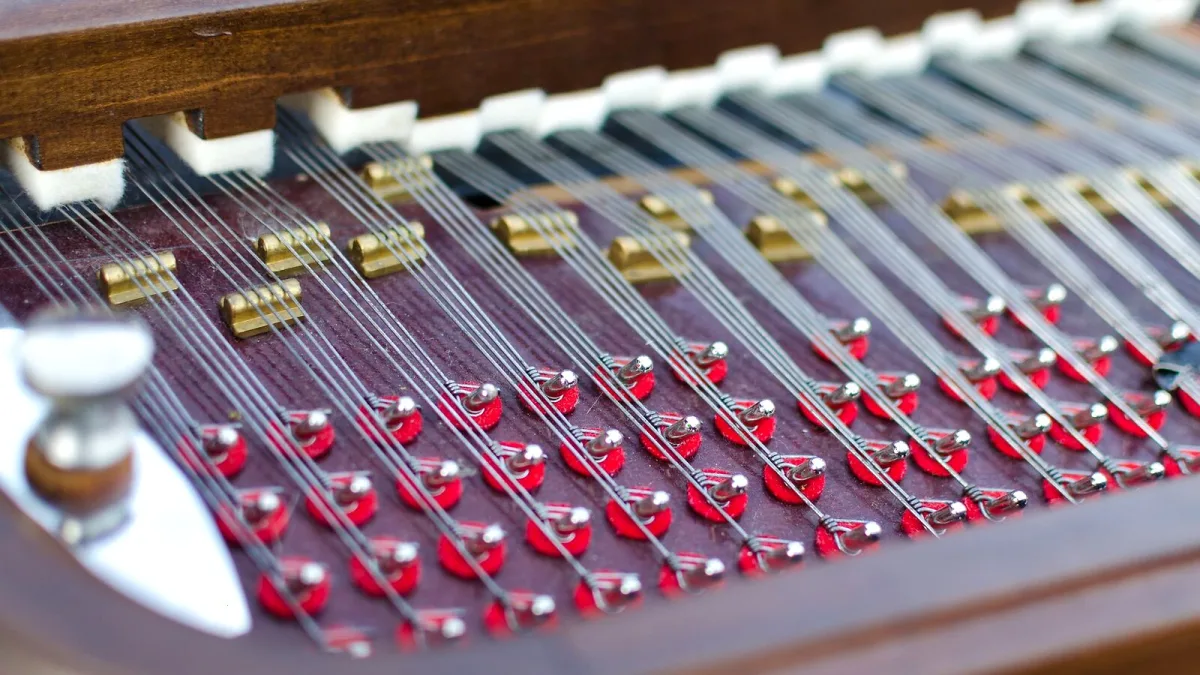
Buying your first dulcimer is one of those decisions that looks simple until you actually start looking. There are two quite different instruments hiding under that name, several tuning options, and a fair bit of jargon on the listing page. This guide skips the history lesson and gets straight to what to check, what to ask, and what genuinely matters once you're spending your own money.
Step One: Know Which Dulcimer You're Actually Buying
Before comparing a single instrument, settle this. A mountain (or Appalachian) dulcimer is a slim, fretted box played across the lap, strung with three or four strings. A hammered dulcimer is a much larger trapezoidal instrument, strung with dozens of strings and played by striking them with lightweight hammers. They are not two sizes of the same thing, and a good deal for one tells you nothing about the other.
| Question | Mountain Type | Hammered Type |
|---|---|---|
| How is it played? | Strummed or plucked, lap or table | Struck with two hand-held hammers |
| Typical strings | 3–4 strings, melody plus drones | Many courses across two bridges |
| Portability | Light, easy to carry | Larger, heavier, needs a stand or table |
| Learning curve | Gentle; first tune within days | Steeper layout, rewarding once learned |
Checking a Mountain Dulcimer Before You Buy
Once you know this is the one you want, the checklist is short but worth taking seriously, especially second-hand.
- Tuning stability — turn the tuning machines or friction pegs and make sure they hold, rather than slipping back within minutes.
- Fretboard and fret placement — check the frets are level and that notes ring cleanly right up the neck, particularly above the twelfth fret.
- Bridge and nut — both should sit securely, with even string height that isn't uncomfortably high off the fretboard.
- Diatonic or 6½-fret — a traditional diatonic fretboard suits older tune books; a 6½-fret model adds one extra note for easier major-key playing.
- Body size and shape — hourglass, teardrop and boat shapes all play the same way, but size affects comfort across the lap.
Checking a Hammered Dulcimer Before You Buy
This is a bigger, pricier commitment, so the checklist runs longer.
- Course count and range — layouts such as 12/11 or 16/15 describe roughly how many note-pairs sit on each bridge; more courses mean more range, weight and cost.
- Diatonic versus chromatic coverage — a diatonic instrument suits traditional tunes; a chromatic or extended layout opens up more keys.
- Tuning stability — with this many strings under tension, a well-built frame and soundboard hold pitch far better than a flimsy one.
- Weight and portability — if you'll be carrying this to sessions, weight and case quality matter as much as sound.
- What's included — check whether a stand, case and hammers come with the instrument, since all three are essential extras.
- String availability — ask whether replacement strings are easy to source for that specific model before you commit.
Picks, Tuners and the Small Extras
A mountain dulcimer is often played with a soft, flexible pick rather than a stiff guitar plectrum, since a firmer pick can produce a harsher attack than the instrument's gentle voice suits. A hammered dulcimer needs its own tuning wrench, matched to that model's tuning pins — a standard guitar tool won't fit. For either instrument, a chromatic electronic tuner earns its keep quickly, though on one you'll still need to understand which bridge and octave each string belongs to before you start turning pins.
What Different Price Tiers Actually Buy You
Rather than chase a specific figure, think in terms of build quality. Entry-level instruments from either family are usually solid enough to learn on, but tuning stability and fret or bridge accuracy tend to improve noticeably as you move up. Beyond a certain point, you're paying for tonewood choice, more careful voicing, and the reputation of an individual builder rather than any dramatic leap in playability. If you're weighing up named makers and where they tend to sit, our roundup of the best dulcimers for the money breaks that down by player type rather than price alone.
New or Second-Hand?
A second-hand mountain dulcimer is usually a safe way to save money, provided the fretboard and tuning hardware check out. Second-hand hammered dulcimers demand more caution, since a warped soundboard or a frame that's slipped out of true is expensive to put right. If you're still deciding whether either instrument suits you at all, it's worth reading our full explainer on how the two dulcimers differ first, and the common mistakes buyers make before you hand over any money.
The Bottom Line
Buying a dulcimer well comes down to three things: choosing the right instrument for the sound you actually want, checking tuning stability and build quality over cosmetics, and budgeting for the small extras — a pick, a tuner, a case — that make the instrument usable from day one. Get those right and almost any honestly built dulcimer will serve you well. If you're brand new to the instrument rather than just buying one, our beginner's guide picks up from here.





Comments